
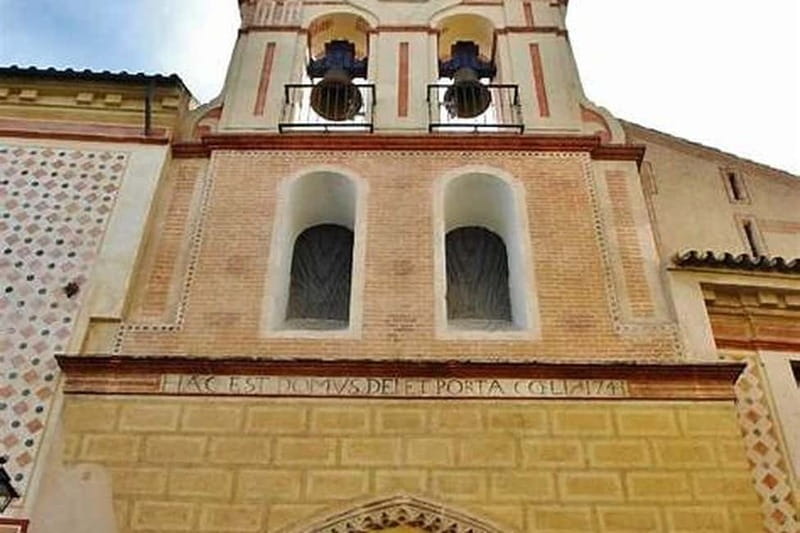
Review · BARRIO SANTA CRUZ & JEWISH QUARTER
Seville: Jewish Quarter, History & Hidden Corners
Silence has a street name in Seville. This Seville Jewish Quarter experience uses the city’s quiet corners to tell the story of Sephardic life and the interwoven past of Jews, Muslims, and Christians.
I really like the way it stays selective rather than trying to cram in every date and dynasty. You also get the benefit of a local expert and their on-the-ground instincts for what to look at and what to ignore.
One consideration: it’s a walking experience with no monument or museum entry included, so if you’re hoping for paid interiors or a sit-down museum stop, you’ll need to plan that separately.
In This Review
- Key things you’ll notice
- Starting at San José and Santa María la Blanca, and why it matters
- What makes this Jewish Quarter walk feel different (and not like a lecture)
- Silent alleys, whitewashed walls, and finding patios you didn’t know were there
- The interfaith story: Jewish, Muslim, and Christian traces you can spot
- Your 2 hours on the ground: pace, focus, and what you should look for
- Guide impact: why the local expert often makes the difference
- Price and value: what $35 buys you (and what it doesn’t)
- Planning your day: where you may want to add food or museum time
- Who this is best for (and who should skip it)
- FAQ
- How long is the Jewish Quarter experience?
- Where is the meeting point?
- How many people are in the group?
- Is the tour available in English?
- Is food included?
- Are monument or museum tickets included?
- Is the tour wheelchair accessible?
- What should I bring, and what’s not allowed?
- Should you book this Seville Jewish Quarter experience?
Key things you’ll notice
- Small group (up to 8 people) means you’re not fighting for attention in tight streets
- Silent alleys + hidden patios give you atmosphere, not just facts
- Jewish, Muslim, and Christian connections show up in visible and invisible city clues
- English (and Spanish) expert guide keeps the context clear and human
- Personal recommendations after the tour help you turn history into better plans
Deeper into the lanes of Santa Cruz
- Seville: Small-Group Jewish Quarter Discovery Walking Tour★ 4.9 · 499 reviews
- VIP Guided Seville Alcazar Pre-Opening, Cathedral & Old Town★ 5.0 · 191 reviews
- Santa Cruz Jewish Quarter Guided Tour in Seville★ 4.0 · 144 reviews
Starting at San José and Santa María la Blanca, and why it matters
This tour begins at a small plaza corner off San Jose street and Sta Maria la Blanca. That location is helpful because you’re stepping into the neighborhood already in motion, not wandering in from some far-off landmark. You also avoid the common problem of arriving, taking a picture, and then realizing you missed the orientation that makes the streets make sense.
I like that the meeting point is specific and easy to aim for. It also fits the tour style: you’ll be on foot from the start, moving through the kind of narrow spaces where a guide’s sense of direction saves time and stress. Arrive a few minutes early so you can settle your bearings before the walk tightens into those quiet lanes.
If you’re coming by bus or tram, give yourself a little extra time at the end too. The area is part of a lived-in city, so the last stretch back to where you’re staying can be slower than you expect on a hot afternoon.
What makes this Jewish Quarter walk feel different (and not like a lecture)
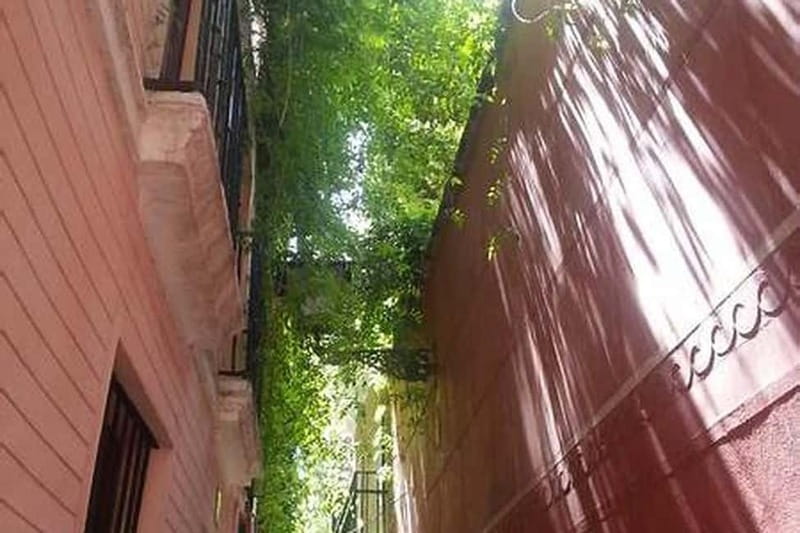
This isn’t built like a big “cover every century” history tour. The tone is reflective, selective, and built around how the neighborhood feels—especially the contrast between noise outside and the calmer rhythm inside the alleys.
I like that it’s meant for people who care about meaning as much as dates. You’ll hear stories about Jewish life before the 1492 expulsion—about merchants, poets, philosophers, and families—and you’ll get the context for why that matters in Seville’s identity today. The goal is not to overwhelm you; it’s to give you a few strong threads you can carry with you.
Here’s the upside: when a guide points out small details, you start reading the city like a living text. The downside is also real: if you want a thorough timeline with lots of chronological stopping points, this format may feel too focused rather than exhaustive.
Silent alleys, whitewashed walls, and finding patios you didn’t know were there
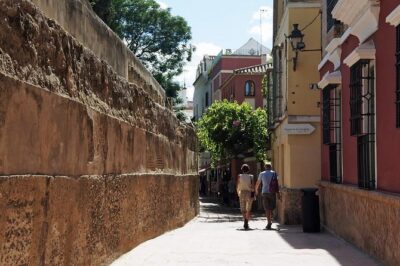
One of the best parts of this kind of Seville Jewish Quarter experience is that it trains your attention. You’ll walk through a maze of narrow streets with whitewashed walls and the sense that the neighborhood was shaped to hold privacy. Those silent alleys are more than pretty backdrops; they set you in the mindset of earlier life where everyday movement often had to be careful.
You’ll also encounter hidden patios—the sort of spaces that can’t be appreciated from a main street viewpoint. Even when the patio itself isn’t the main story, the idea of it matters. It helps explain why homes and community life in the Sephardic quarters could feel inward, guarded, and intimate.
Practical tip: wear shoes you can trust for a steady walking pace. The tour’s duration is only 2 hours, but the streets can still add up fast. Also, bring sun protection. Summer light in Seville can make a short walk feel like a longer one, even when the streets are shaded.
More paths into old Seville



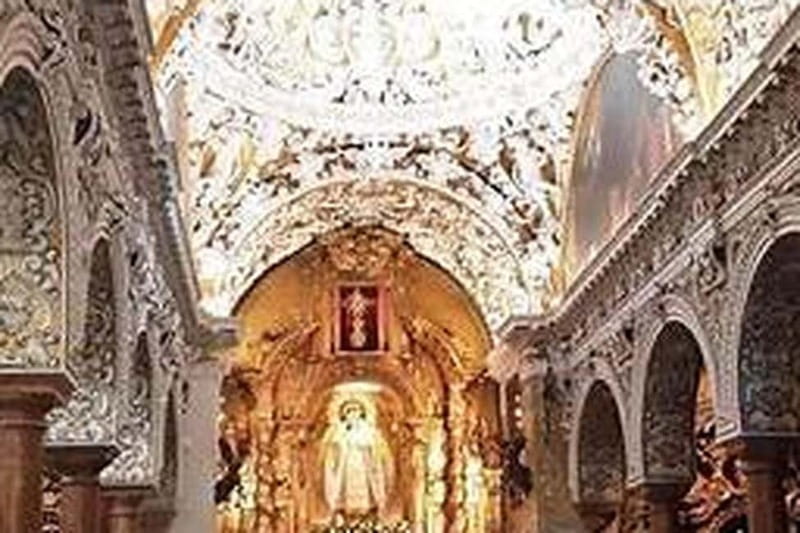
The interfaith story: Jewish, Muslim, and Christian traces you can spot

What I find most useful here is the way the guide connects three civilizations to the city’s structure and memory. You’re not just hearing that Jews, Muslims, and Christians coexisted at various times; you’re learning how their presence left visible and invisible marks in Seville.
The guide’s job is to help you see the city’s “layers” without turning it into a textbook. Architecture, lingering legends, and neighborhood details become clues. You start noticing how Seville’s soul wasn’t formed by one group alone, but by shifting relationships—moments of tolerance and tension, sometimes close together in the same place.
A smart expectation: you’ll probably leave with a different instinct for reading the city. Instead of asking, “What building is this?” you’ll ask, “What did people need here?” That question is where the stories stick.
Also, because the tour is selective, you’ll likely remember a handful of images and anecdotes very clearly. Those are the ones that make the interfaith narrative feel personal rather than distant.
Your 2 hours on the ground: pace, focus, and what you should look for
The total duration is 2 hours, and the structure is designed around walking time and attention. With a small group—limited to 8 participants—you’re able to move at a human pace rather than being dragged from stop to stop.
Here’s what makes that time feel worthwhile. First, you’re getting a local expert who shares culturally and historically grounded insights while you’re still close to the setting. Second, you’ll be moving through the neighborhood long enough to absorb the “feel” of the Jewish Quarter, but not so long that the tour becomes a blur.
A key consideration: the experience is not broken up by monument entry. That means you should mentally shift from “ticketed sights” to “street-level storytelling.” If you want interior visits, you’ll need to pair this with a separate plan.
What about food? The tour doesn’t include food or drinks. Still, part of the value is that the guide gives recommendations so you can eat well afterward. The “gastronomic havens” idea shows up more as direction than as an included meal.
Guide impact: why the local expert often makes the difference
The tour runs with a live guide in English. (Spanish is also offered, depending on the group.) The big value isn’t only that the guide knows facts—it’s how they connect facts to what you’re standing next to.
The name you may hear most is Pedro, who has shown up as a guide for groups in recent departures. People consistently highlight that he brings the stories to life with context and practical attention to what to notice. Even if your guide is someone else, the experience is clearly built around that same style: clear explanations, interesting anecdotes, and pointers to places you might otherwise miss.
One more practical point: small-group tours often work best when you ask questions. If you’re the type who likes follow-ups—Why did that happen? What does that legend refer to?—this format gives you room to get answers without feeling rushed.
Price and value: what $35 buys you (and what it doesn’t)
The price is $35 per person for a 2-hour small-group walking experience. That’s not a bargain-bus price, but it also isn’t a “museum-only” price. It sits in the middle where guide quality and group size matter.
What you get for that money:
- A guided walking tour through the Jewish Quarter
- An expert local guide
- Cultural and historical insights
- Personalized recommendations after the tour
What you don’t get:
- Entry tickets to monuments or museums
- Food and drinks
- Hotel pickup or drop-off
So here’s the value equation. If you’re visiting for the first time and you want your bearings fast—social, cultural, and spatial—this can save you time later. It gives you context so you can enjoy whatever you choose to visit next. If you’re already an absolute Seville-history expert and you mainly want paid interiors, you might feel you could spend less elsewhere. But for most people, the guide-led street understanding is the whole point.
A good way to think about it: you’re paying for interpretation, not for door tickets.
Planning your day: where you may want to add food or museum time
Because nothing is included for monument entry, you’ll want to decide what your next step is right after the 2 hours. If your goal is to see interiors, plan that separately. The guide’s recommendations afterward can help you choose what fits your pace and curiosity.
Food is also not included. The tour description points toward local culinary havens, and that usually means you’ll get advice on where to go rather than a meal inside the tour. That’s actually handy: you can pick something that matches what you feel like eating that day—quick, sit-down, traditional, or lighter.
Timing matters too. In Seville, the light and heat can shift quickly. If you go in summer, bring water and sun protection. Comfortable walking shoes aren’t optional here; they’re the difference between enjoying the narrow streets and regretting every step.
Who this is best for (and who should skip it)
This experience is best for people who:
- Want meaningful context about Seville’s Jewish Quarter rather than a long checklist of sites
- Like walking and can handle a focused 2-hour route
- Enjoy interfaith history—how Judaism, Islam, and Christianity shaped the city
It’s not a great fit if:
- You need a tour that includes monument entry or a sit-down museum component
- You’re traveling with kids under 10 years
- You’re older than 95 years and want to avoid a walking-heavy format
The good news: it is listed as wheelchair accessible, which is a major plus. Still, because the tour is in a neighborhood of narrow streets, you should expect that the experience depends on route conditions and your comfort level with walking pace.
A final note: alcohol and drugs are not allowed, and high-heeled shoes aren’t either. Go with practical footwear and keep the walk respectful and relaxed.
FAQ
How long is the Jewish Quarter experience?
It lasts 2 hours.
Where is the meeting point?
It starts at a small plaza corner off San Jose street and Sta Maria la Blanca.
How many people are in the group?
The group is limited to 8 participants.
Is the tour available in English?
Yes. The tour guide is English.
Is food included?
No. Food and drinks are not included.
Are monument or museum tickets included?
No. Entry tickets to monuments or museums are not included.
Is the tour wheelchair accessible?
Yes, it is listed as wheelchair accessible.
What should I bring, and what’s not allowed?
Bring a camera and biodegradable sunscreen. Wear comfortable walking shoes, bring water, and use sun protection. High-heeled shoes, alcohol and drugs, and nudity are not allowed.
Should you book this Seville Jewish Quarter experience?
If you want a small-group Seville Jewish Quarter walk that prioritizes atmosphere and interfaith context over ticketed sights, I’d book it. It’s a strong choice for a first or second day in the city because it helps you read the streets with better questions in mind.
Skip it if you’re mainly chasing monument interiors or you don’t enjoy reflective, story-focused walking. In that case, you’ll likely get more from an itinerary built around specific museum stops.
Seville History, Done Right
- Sevilla Food Tour: Tapas, Wine, History & Traditions
★ 5.0 · 3,468 reviews - Ultimate Seville Tapas, Wine & History Small Group Tour
★ 5.0 · 1,766 reviews - Seville: Tapas, Taverns, and History Walking Tour
★ 4.9 · 676 reviews - Seville Evening Historical Tour with Haunted History
★ 5.0 · 626 reviews - Historic Gibraltar Rock and St Michael’s Cave Tour from Seville
★ 4.5 · 590 reviews
More Tour Reviews in Seville
- Seville: Live Flamenco Dancing Show Ticket at the Theater
★ 4.7 · 16,396 reviews - Seville: Alcázar, Cathedral & Giralda Skip-the-Line Tour
★ 4.8 · 11,525 reviews - Seville: 1-Hour Guadalquivir River Sightseeing Eco Cruise
★ 4.2 · 10,281 reviews - Seville: Setas de Sevilla Entry Ticket
★ 4.6 · 8,901 reviews - Seville: Cathedral, Giralda & Alcazar Entry With Guided Tour
★ 4.6 · 8,560 reviews
Further Into Santa Cruz
- Seville: Small-Group Jewish Quarter Discovery Walking Tour
★ 4.9 · 499 reviews - VIP Guided Seville Alcazar Pre-Opening, Cathedral & Old Town
★ 5.0 · 191 reviews - Santa Cruz Jewish Quarter Guided Tour in Seville
★ 4.0 · 144 reviews - Seville: 1-Hour Walking Tour Barrio de Santa Cruz
★ 4.5 · 131 reviews - Private Tour Jewish Quarter, center and Plaza de España
★ 5.0 · 127 reviews
Just added to the Seville list






Barrio Santa Cruz & Jewish Quarter, compared.
 ★ 4.9Small-Group Jewish Quarter Discovery Walking TourFrom $29499 reviews
 ★ 5.0VIP Guided Seville Alcazar Pre-Opening, Cathedral & Old TownFrom $138191 reviews
 ★ 4.0Santa Cruz Jewish Quarter Guided Tour in SevilleFrom $24144 reviews
 ★ 4.51-Hour Walking Tour Barrio de Santa CruzFrom $18131 reviews
 ★ 5.0Private Tour Jewish Quarter, center and Plaza de EspañaFrom $189127 reviews
 ★ 5.0Small Group Jewish Quarter Tour with Tapas & DrinksFrom $59119 reviews
 ★ 5.0Seville Jewish Quarter Small Group Tour with Tapas and DrinksFrom $71110 reviews
 ★ 5.0Seville Former Jewish Quarter Walking Tour: Santa CruzFrom $18105 reviews
Browse the lists this tour appears in