
Review · BARRIO SANTA CRUZ & JEWISH QUARTER
Seville Former Jewish Quarter Walking Tour: Santa Cruz
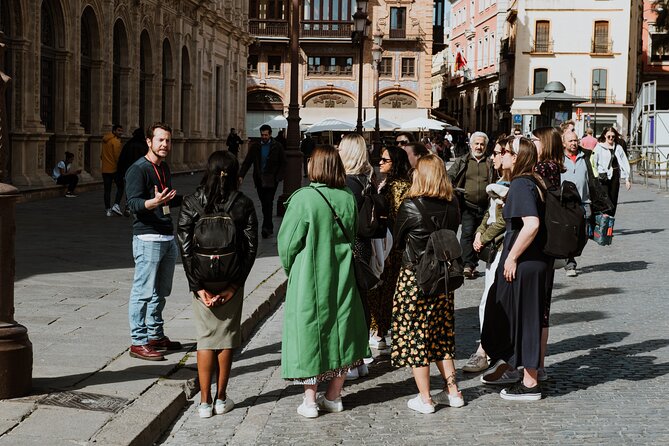
Stories stick in Santa Cruz. This walking tour through Seville’s old Jewish Quarter uses street-corners and famous names to explain what life and loss meant here. I like that you get a small-group setup (max 15) with the option of English or Spanish, so you can ask questions and keep moving without feeling rushed.
What I like even more is how the route connects Jewish history to places you’ll see anyway in Seville, like the areas around the Alcázar and major old-town squares. One thing to consider: at 2 hours, the tour is best for getting the big picture and standout stories, not for satisfying a very specific hunger for detailed ghetto-by-ghetto daily life or a heavy, academic deep scan.
In This Review
- Key takeaways before you go
- Why the Santa Cruz Jewish Quarter benefits from a guide
- The walk between Plaza del Triunfo and Plaza de Santa Cruz (and why timing matters)
- Stop-by-stop: what each place adds to the Jewish Quarter story
- Plaza del Triunfo: the square where power shows up
- Fuente de la Plaza de la Alianza: quiet space with court-level echoes
- Plaza de Dona Elvira: charm with a historical edge
- Calle Susona: a street name with a heartbreak inside
- Hospital de los Venerables: the Baroque building that sits in the story
- Casa de Murillo: when art becomes a map
- Calle Sierpes: iconic street, old legends, and missing pieces
- Rosina’s Balcony: opera and neighborhood mythology
- Callejón del Agua: the cool passage that links to the Alcázar
- Plaza Patio de Banderas: behind-the-walls memories
- Guides make the difference: Julio, Lara, Maria, and Ana/Anna’s styles
- Price and value: what you’re really paying for
- Practical pairing tips for the rest of your Seville day
- Potential downsides: what you should watch for
- Should you book this Santa Cruz Jewish Quarter walk?
- FAQ
- How long is the Santa Cruz Jewish Quarter walking tour?
- Where does the tour start and end?
- How much does the tour cost?
- What languages are available?
- Is it a small group tour?
- Do I need to buy separate tickets for the stops?
- Is there a mobile ticket?
- Is the tour near public transportation?
- Are service animals allowed?
- Who can participate?
- What’s the cancellation policy?
Key takeaways before you go
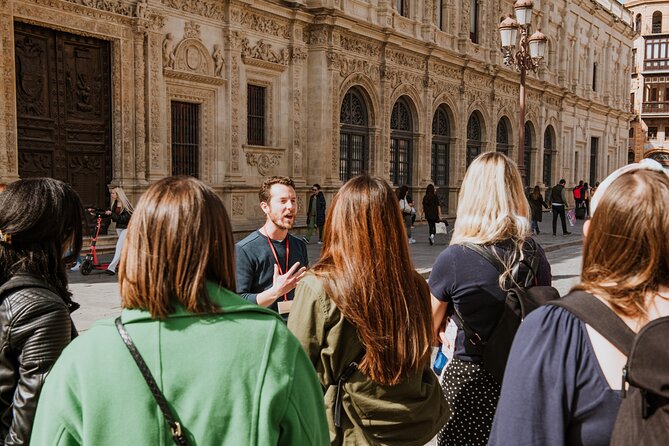
- Small-group pace (max 15) means your guide can slow down when you ask good questions.
- English or Spanish keeps the explanations accessible, and the tour runs with a guided structure throughout.
- Landmark-to-legend storytelling ties Jewish history to street names like Calle Susona and Rosina’s Balcony.
- Major Seville sights are part of the context, including places linked to Baroque art and Murillo.
- Free entry at the stops means you’re paying mostly for the guide and the walk, not extra tickets.
Deeper into the lanes of Santa Cruz
- Seville: Small-Group Jewish Quarter Discovery Walking Tour★ 4.9 · 499 reviews
- VIP Guided Seville Alcazar Pre-Opening, Cathedral & Old Town★ 5.0 · 191 reviews
- Santa Cruz Jewish Quarter Guided Tour in Seville★ 4.0 · 144 reviews
Why the Santa Cruz Jewish Quarter benefits from a guide
Santa Cruz looks like a postcard until you try to read it. That’s the problem with this neighborhood: the streets are gorgeous, but the historical story can feel faint because so much has changed over time. A good guide acts like a translator, pointing out what the street names, squares, and buildings are really referring to—and what got erased.
This tour is built around that idea. You’re not just seeing old corners; you’re learning how the Jewish presence shaped Seville, and how later events reshaped what’s left. It’s the kind of walk that helps you “see” the place in layers: medieval life, later legends, and the city’s artistic era all brushing up against the same streets.
You’ll also get a practical payoff. After 2 hours, you’re not only informed—you’re oriented. The tour route leads you through the heart of Santa Cruz with clear landmarks, so you can keep exploring right after without second-guessing where everything is.
The walk between Plaza del Triunfo and Plaza de Santa Cruz (and why timing matters)
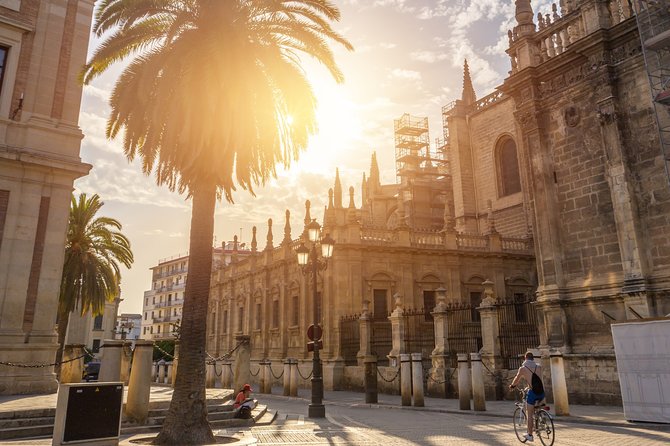
The tour starts at Plaza del Triunfo in the old center and ends at Plaza de Santa Cruz, both easy to find in the Casco Antiguo. Expect about 2 hours total, with short stops that keep the story moving. That timing is a real plus if you have one day in Seville and want context without turning it into a half-day mission.
Also pay attention to the group size. With a maximum of 15 people, you’re less likely to get swallowed by the crowd. The best moments tend to be when your guide pauses at a point of interest, explains why it matters, then takes questions.
You’ll want to wear shoes that handle uneven, older streets. This is a walking tour through narrow lanes and turning corners, so comfortable footwear beats trying to “look local” in the wrong sandals.
Stop-by-stop: what each place adds to the Jewish Quarter story
This walk works because it doesn’t rely on one single building. It uses squares, streets, and nearby monuments to build the narrative. Here’s what each stop brings to the bigger picture.
Seville on foot, a few more walks



Plaza del Triunfo: the square where power shows up
You begin at Plaza del Triunfo, a historic square tied to royal events and major turning points. It’s a strong opener because it frames Seville as a city where politics and faith were never separate. Even before the route moves into Santa Cruz, this stop sets the mood: big events, long shadows.
Fuente de la Plaza de la Alianza: quiet space with court-level echoes
Next comes Fuente de la Plaza de la Alianza, tucked into the narrow streets of Santa Cruz. The vibe here is calm, but the stories associated with it point toward nobles meeting here and medieval court intrigue. The contrast is useful: you learn to connect the stillness you see now with the tension that once lived in these spaces.
Plaza de Dona Elvira: charm with a historical edge
At Plaza de Dona Elvira, you get one of Santa Cruz’s most picturesque corners. The value isn’t just aesthetics. This is where legends and nostalgia become part of how the neighborhood gets remembered. In practice, that helps you understand why some details survive as stories even when physical evidence is limited.
Calle Susona: a street name with a heartbreak inside
Calle Susona is memorable because it’s linked to the tragic tale of Susona—a young Jewish woman caught between love and betrayal. Whether you treat it as legend, local memory, or a story shaped by time, it gives you a human entry point. It also helps the neighborhood feel less like an outline and more like people and choices.
Hospital de los Venerables: the Baroque building that sits in the story
Then you hit Hospital de los Venerables, a striking Baroque building. It’s important to your understanding because it shows how Seville’s sacred art and major institutional power developed after earlier eras. When the guide connects this building to the neighborhood’s timeline, you see the city’s religious and artistic evolution as something that didn’t replace the past overnight—it layered over it.
Casa de Murillo: when art becomes a map
Casa de Murillo brings in Bartolomé Esteban Murillo, whose work captured the light and emotional tone of 17th-century Seville. This stop matters for a simple reason: it shows how the city’s later “identity” formed in the same streets that once held a different community. You’re learning how Seville reinvented itself artistically while carrying older ghosts in the ground.
Calle Sierpes: iconic street, old legends, and missing pieces
Calle Sierpes is one of Seville’s best-known streets, and this tour uses it as more than a photo stop. The story tied to it includes mysterious disappearances that fed local urban legends. It’s a reminder that when communities are disrupted, memory can turn into rumor—and street lore can be all that remains.
Rosina’s Balcony: opera and neighborhood mythology
At Rosina’s Balcony, you hear how the opera The Barber of Seville brought Rosina to life, with a playful clever spirit connected to this area. This isn’t random pop culture trivia. It’s how the Santa Cruz identity spreads beyond history books—through theater, stories, and character. For many people, that’s what keeps the tour fun while still anchored to the neighborhood.
Callejón del Agua: the cool passage that links to the Alcázar
Next is Callejón del Agua, a narrow passage with a cooling feel. The guide connects it to water once flowing from the Royal Alcázar and mentions poems, love stories, and whispered secrets that cling to the space. Even if you only catch the highlights, this stop gives you a sensory break and a poetic link between everyday life and royal infrastructure.
Plaza Patio de Banderas: behind-the-walls memories
The walk ends at Plaza Patio de Banderas, set behind the Alcázar walls. This is where empires, royal ceremonies, and Seville’s changing story come into focus. It’s a satisfying finish because you get a clear sense of scale—this is not just a neighborhood corner. It’s tied to the power center of the city.
Guides make the difference: Julio, Lara, Maria, and Ana/Anna’s styles

The biggest strength of this experience is that guides bring the story alive. The names you might meet include Julio, Lara, Maria, and Ana/Anna. Their common thread is clear communication and story craft—legend plus historical framing—so the streets don’t feel like a random walk of signboards.
I especially like the way strong guides handle questions. People often come into Seville with partial knowledge: maybe they’ve heard about the Jewish Quarter but not how to connect it to what they’ll see on foot. A good guide answers in a way that makes the city make sense, including the causes and consequences that shaped Jewish life over time.
If you want a tour that feels like a conversation, the small group format helps. The guide can slow down, explain, and reframe when something isn’t landing.
Price and value: what you’re really paying for
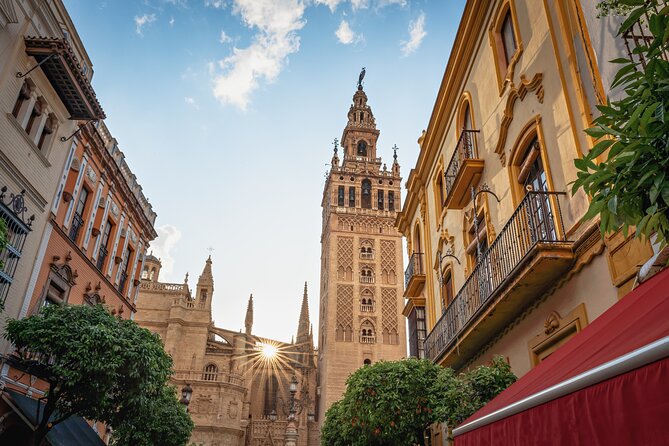
At about $18.02 per person for roughly 2 hours, this is good value in Seville—mostly because it’s guide-driven. You’re not buying an expensive museum ticket. The stops are free to enter, so the cost goes toward interpretation: turning street names, squares, and buildings into meaning.
For solo travelers, it’s also a smart way to get a focused orientation without spending hours researching on your own. And for couples or friends, you get a shared story. Even if you’re not a “history person,” the legends (like Susona and Rosina’s Balcony) give the walk energy.
Two things make it worth it:
- You’re paying for context you can’t easily see on your own
- The route is compact enough to fit into a busy day
Practical pairing tips for the rest of your Seville day
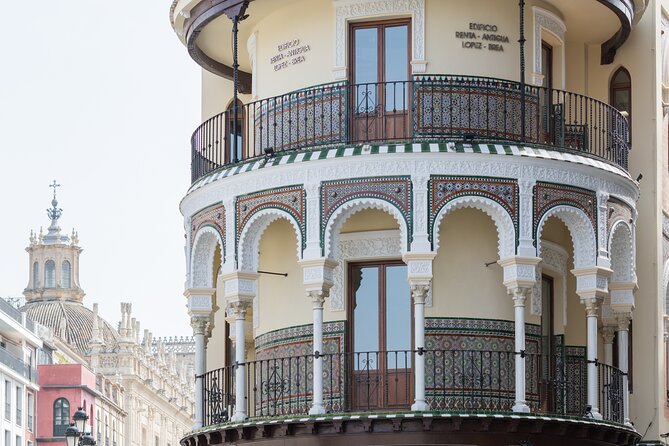
This tour ends near the Alcázar-adjacent area (through places tied to the Alcázar walls), so it naturally pairs with more old-town wandering afterward. Once you’ve learned what to look for—street names, squares, and the relationship between neighborhood corners and major sites—you’ll spot more details as you stroll.
I also like using it as a warm-up. After the walk, you can choose what to linger on: the squares, the iconic streets, or the surrounding monuments that matched the story you heard. It turns your remaining time from random roaming into targeted wandering.
Potential downsides: what you should watch for
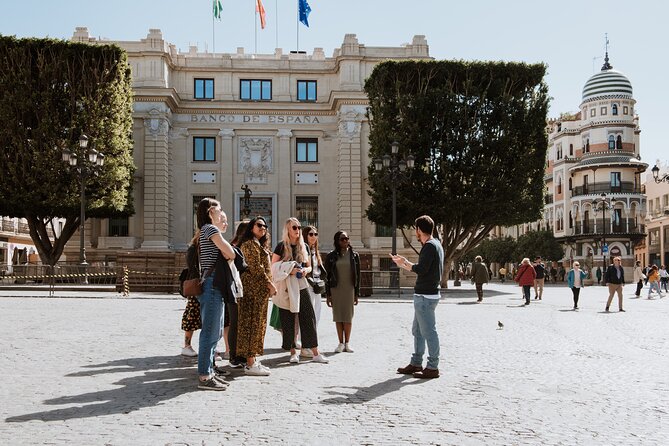
This tour is designed for clarity and pacing, but it isn’t a long seminar. At about 2 hours, you might not get every detail you want about day-to-day life or the specific social contributions of the Jewish community in Seville. A few people have wanted more explanation about how the community shaped Seville society, and some felt the focus leaned more toward locations and stories than deeper daily-life context.
So here’s my straight advice:
- If you want a quick, engaging orientation to the Jewish Quarter and the standout legends tied to Santa Cruz streets, this fits well.
- If you want very deep, fully academic detail about Jewish community life and ghetto realities, plan on adding another longer or more specialized source during your trip.
Should you book this Santa Cruz Jewish Quarter walk?
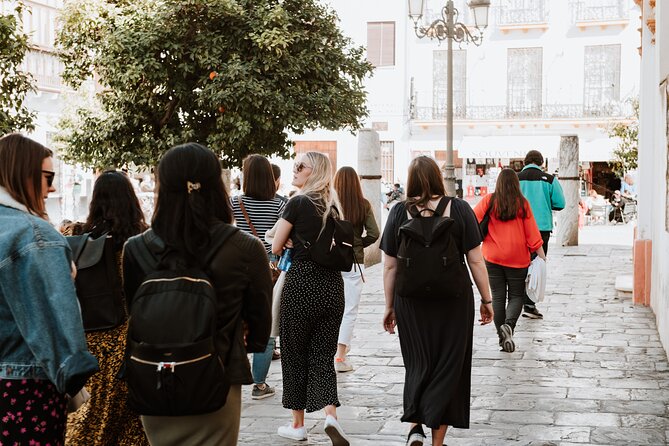
I’d book it if you want a readable, story-led introduction to Seville’s Jewish Quarter that helps you connect what you see on the map to what happened here. The small-group size (max 15), the option of English or Spanish, and the guided walk through key Santa Cruz landmarks make it a strong value at around $18.
Skip it or pair it with something else if you know you want heavy historical detail and lots of specifics about everyday life that go beyond legends and place-based explanations. In that case, this tour can still work as a helpful starting point, but don’t treat it as your only research stop.
If your goal is to leave Seville feeling like Santa Cruz has meaning—not just charm—this walk is a great bet.
FAQ
How long is the Santa Cruz Jewish Quarter walking tour?
It runs for about 2 hours (approx.), with short stops along the way.
Where does the tour start and end?
It starts at Plaza del Triunfo (Pl. del Triunfo, Casco Antiguo, 41004 Sevilla) and ends at Plaza de Santa Cruz (Pl. de Sta Cruz, Casco Antiguo, 41004 Sevilla).
How much does the tour cost?
The price is listed at $18.02 per person.
What languages are available?
The guided tour is offered in English or Spanish.
Is it a small group tour?
Yes. The tour has a maximum of 15 travelers.
Do I need to buy separate tickets for the stops?
No. The stops listed include places with free admission ticket.
Is there a mobile ticket?
Yes. It includes a mobile ticket.
Is the tour near public transportation?
It’s listed as near public transportation.
Are service animals allowed?
Yes. Service animals are allowed.
Who can participate?
Most travelers can participate.
What’s the cancellation policy?
You can cancel for a full refund up to 24 hours in advance. Canceling less than 24 hours before start time isn’t refundable. If the minimum number of travelers isn’t met, you may be offered a different date or a full refund.
More Tour Reviews in Seville
- Seville: Live Flamenco Dancing Show Ticket at the Theater
★ 4.7 · 16,396 reviews - Seville: Alcázar, Cathedral & Giralda Skip-the-Line Tour
★ 4.8 · 11,525 reviews - Seville: 1-Hour Guadalquivir River Sightseeing Eco Cruise
★ 4.2 · 10,281 reviews - Seville: Setas de Sevilla Entry Ticket
★ 4.6 · 8,901 reviews - Seville: Cathedral, Giralda & Alcazar Entry With Guided Tour
★ 4.6 · 8,560 reviews
More Walks Through the Old Town
- Seville: Small-Group City Highlights Walking Tour
★ 5.0 · 1,204 reviews - Cultural Walking Tour of Seville Monumental
★ 5.0 · 861 reviews - Seville: Tapas, Taverns, and History Walking Tour
★ 4.9 · 676 reviews - Seville: Tapas, Taverns and History Guided Walking Tour
★ 4.9 · 515 reviews - Seville: Small-Group Jewish Quarter Discovery Walking Tour
★ 4.9 · 499 reviews
Further Into Santa Cruz
- Seville: Small-Group Jewish Quarter Discovery Walking Tour
★ 4.9 · 499 reviews - VIP Guided Seville Alcazar Pre-Opening, Cathedral & Old Town
★ 5.0 · 191 reviews - Santa Cruz Jewish Quarter Guided Tour in Seville
★ 4.0 · 144 reviews - Seville: 1-Hour Walking Tour Barrio de Santa Cruz
★ 4.5 · 131 reviews - Private Tour Jewish Quarter, center and Plaza de España
★ 5.0 · 127 reviews
Just added to the Seville list





Barrio Santa Cruz & Jewish Quarter, compared.
 ★ 4.9Small-Group Jewish Quarter Discovery Walking TourFrom $29499 reviews
 ★ 5.0VIP Guided Seville Alcazar Pre-Opening, Cathedral & Old TownFrom $138191 reviews
 ★ 4.0Santa Cruz Jewish Quarter Guided Tour in SevilleFrom $24144 reviews
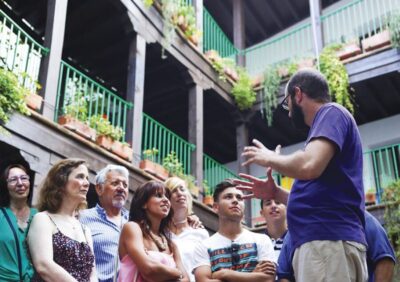 ★ 4.51-Hour Walking Tour Barrio de Santa CruzFrom $18131 reviews
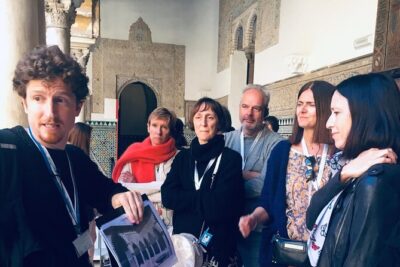 ★ 5.0Private Tour Jewish Quarter, center and Plaza de EspañaFrom $189127 reviews
 ★ 5.0Small Group Jewish Quarter Tour with Tapas & DrinksFrom $59119 reviews
 ★ 5.0Seville Jewish Quarter Small Group Tour with Tapas and DrinksFrom $71110 reviews
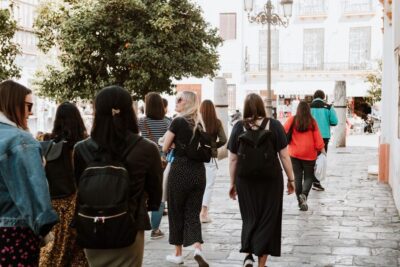 ★ 4.8Seville Jewish Quarter walking tour: Santa Cruz DistrictFrom $15104 reviews
Browse the lists this tour appears in