
Review · BARRIO SANTA CRUZ & JEWISH QUARTER
Seville Jewish Quarter walking tour: Santa Cruz District
Santa Cruz feels like a legend in stone. This Seville walk makes the former Jewish quarter tangible, using Seville’s courtyards and Jewish-quarter lore to turn a map into a story you can walk through.
I love how the guide threads together street-by-street tales, like Susona’s heartbreak and identity questions, and how you also get real physical beauty stops such as Plaza de Doña Elvira. It’s both places and people, with details that make the neighborhood feel lived-in.
The only downside is the 1.5-hour pace. You’ll see a lot in a short walk, so plan for steady walking and bring comfortable shoes to keep it enjoyable.
In This Review
- Key highlights before you go
- Where your Santa Cruz story starts: Plaza del Triunfo
- Susona, Miguel Mañara, and Barrabás: why the legends aren’t just folklore
- Narrow streets, orange trees, and the Callejón del Agua mood
- Plaza de la Alianza and Hospital de los Venerables: seeing the Golden Age in stone
- Calle Susona and Rosina’s Balcony: when Seville turns into a stage
- Casa Murillo to Patio de Banderas: a satisfying finish point
- Price and pace: why $15 feels like good value here
- Who this tour is best for
- Should you book the Santa Cruz Jewish Quarter walking tour?
- FAQ
- Where do I meet the guide?
- How long is the Santa Cruz Jewish Quarter walking tour?
- How much does it cost?
- What languages are offered?
- Is the tour wheelchair accessible?
- Is flamenco included?
- Can I cancel for a refund?
Key highlights before you go
- Susona, Miguel Mañara, and Barrabás: three threads of legend tied to named corners of Santa Cruz
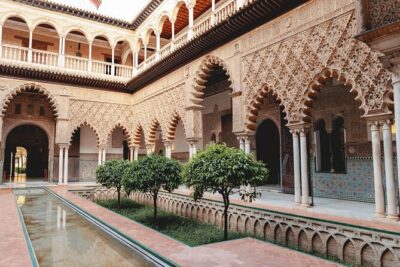
- Courtyards and fountains: whitewashed streets open onto patios with flowers, water, and atmosphere
- Opera connections in the streets: you’ll link neighborhood spots to famous Spanish stories like Carmen
- Golden-Age landmarks: Plaza de la Alianza and Hospital de los Venerables help you place the quarter historically
- Guides who teach while they walk: from Juan to Julio to Anna, the best part is how questions get answered
Deeper into the lanes of Santa Cruz
- Seville: Small-Group Jewish Quarter Discovery Walking Tour★ 4.9 · 499 reviews
- VIP Guided Seville Alcazar Pre-Opening, Cathedral & Old Town★ 5.0 · 191 reviews
- Santa Cruz Jewish Quarter Guided Tour in Seville★ 4.0 · 144 reviews
Where your Santa Cruz story starts: Plaza del Triunfo
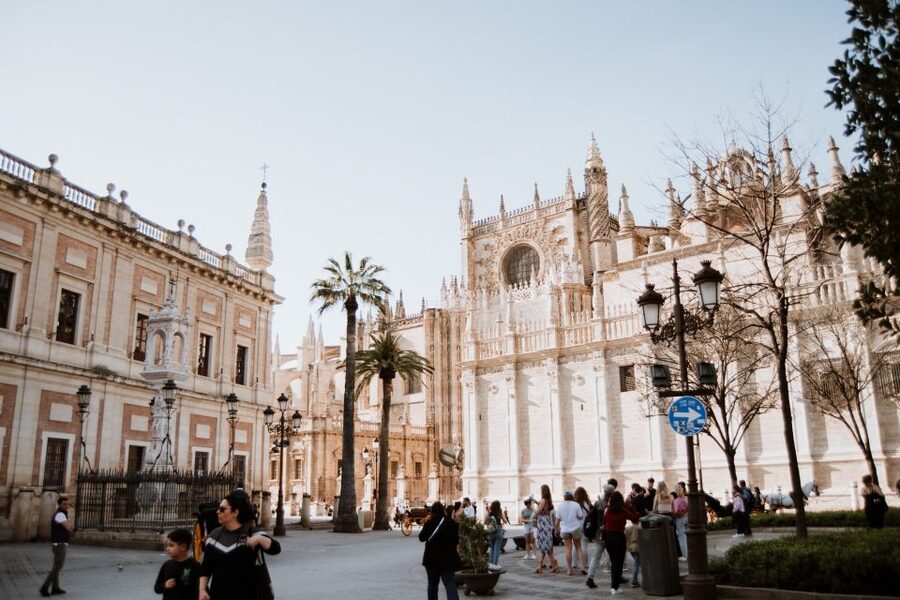
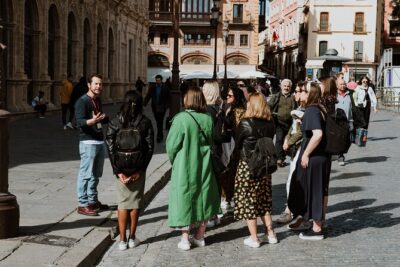
Meet your guide in Plaza del Triunfo, under the Virgen de la Inmaculada statue, with a blue umbrella or a logo nametag. This is a good starting point because you’re already on the edge of Seville’s big historic pull, and the guide can set the tone fast: this walk is about how the neighborhood earned its character.
Within the first stretch, you’re primed for what makes Santa Cruz feel different from other parts of Seville. The streets tighten, the light changes, and suddenly the city’s layout starts behaving like a plot—turns become clues, and corners become punchlines.
Plaza stops matter here too. Early on, Plaza de la Alianza sets up the idea that Santa Cruz isn’t just pretty; it’s tied to major eras of Seville’s growth.
Susona, Miguel Mañara, and Barrabás: why the legends aren’t just folklore
The heart of this tour is storytelling—specific legends, attached to specific places. You’ll hear the tale of Susona, a young Jewish woman caught between love, betrayal, and identity, and why her story has stayed in Seville’s memory. The guide doesn’t just name the legend; they explain how those themes shaped how people talked about the quarter.
Then comes Miguel Mañara, whose dramatic life helped inspire the character that many people know through Don Juan. Even if you’re not a literature expert, it’s an effective way to understand why Seville’s arts and myths keep overlapping with everyday streets.
And yes, you’ll also hear about the ghost of Barrabás—a figure from Seville’s folklore. This is the kind of story that makes you look twice at a narrow passageway, because the guide gives you context for why that setting would have felt eerie, memorable, or meaningful to residents.
What I like about this approach is that it keeps legend from becoming vague. Instead of hearing myths floating around in the air, you connect them to addresses, corners, and named plazas. That’s how a walking tour becomes more than sightseeing.
Narrow streets, orange trees, and the Callejón del Agua mood
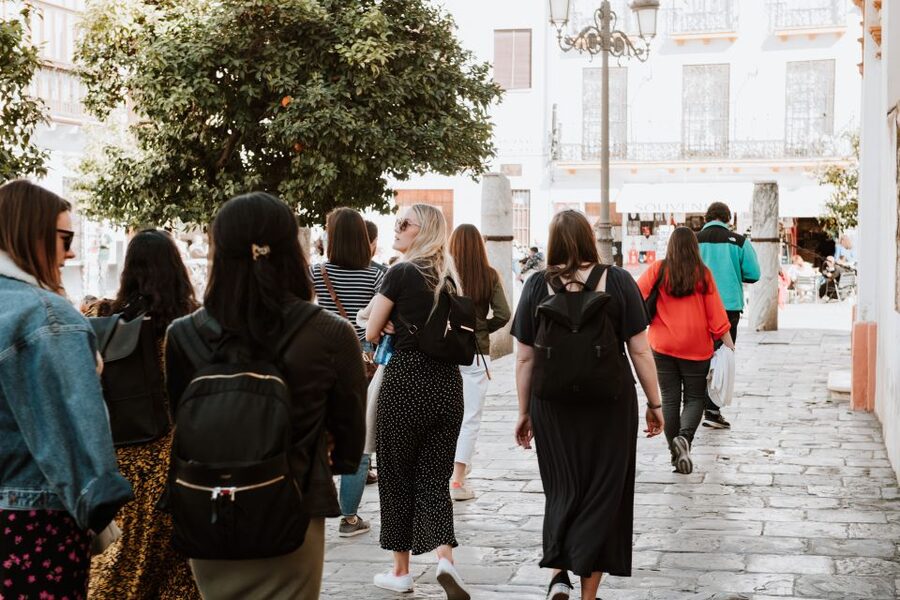
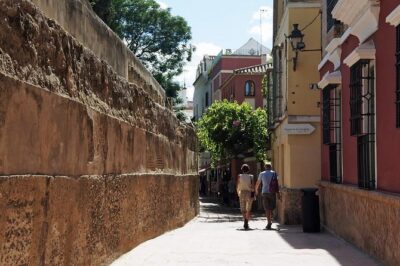
Santa Cruz is famous for its maze feel, and this is the walking tour style that works with that. You move through narrow alleys and whitewashed houses, then the neighborhood opens up into Andalusian courtyards—often the kind of places you’d walk past without noticing the first time.
One highlight is the Callejón del Agua, where stone walls echo with poetry and whispers in the tour’s storytelling. The practical takeaway: slow down where the street squeezes. That’s where the guide’s explanations make sense, because the architecture itself supports the mood.
You’ll also spend time around Plaza de Doña Elvira, described as peaceful and romantic, lined with orange trees. Even on a short tour, this kind of plaza stop changes your pace. It gives your brain a breather, and it helps you connect legends to actual space—open air versus tight corridors.
One more small but useful tip: watch for how water shows up in the conversation. A couple of guides (including Julio in one booking) have shown how old walls and water systems can still be visible or referenced in the neighborhood. Whether you spot exact details or just catch the logic, you’ll leave understanding why water mattered so much in Seville’s old quarters.
Seville on foot, a few more walks




Plaza de la Alianza and Hospital de los Venerables: seeing the Golden Age in stone
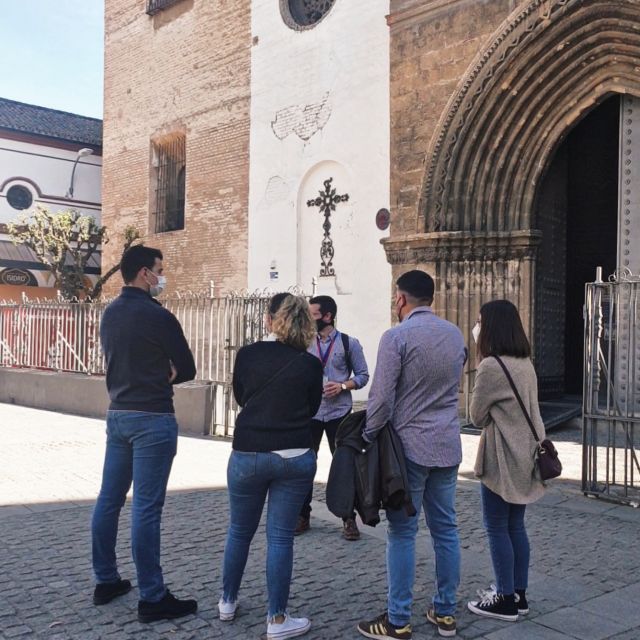
Two stops that help you anchor the stories in real-world history are Plaza de la Alianza and Hospital de los Venerables. These aren’t random photo points; they’re tied to symbols of Seville’s Golden Age, and the guide uses them to explain why Santa Cruz became a place where major cultural currents overlapped.
When you’re in plazas like Plaza de la Alianza, the guide’s job is to help you read the layout. You’re learning how power and religion and community life showed up in the physical city—what was built, what survived, and why certain areas became important.
At Hospital de los Venerables, the experience shifts slightly from legends to atmosphere. You’re still hearing stories, but they land differently in institutional spaces. The tour’s strength is that it doesn’t force you to memorize dates; it helps you connect the feel of a building to the role it played in Seville.
A note on expectations: because this is only 1.5 hours, you won’t get a museum-grade deep history lesson at every stop. Instead, you get a smart “map of meanings,” which is exactly what most people want on a first pass through Santa Cruz.
Calle Susona and Rosina’s Balcony: when Seville turns into a stage
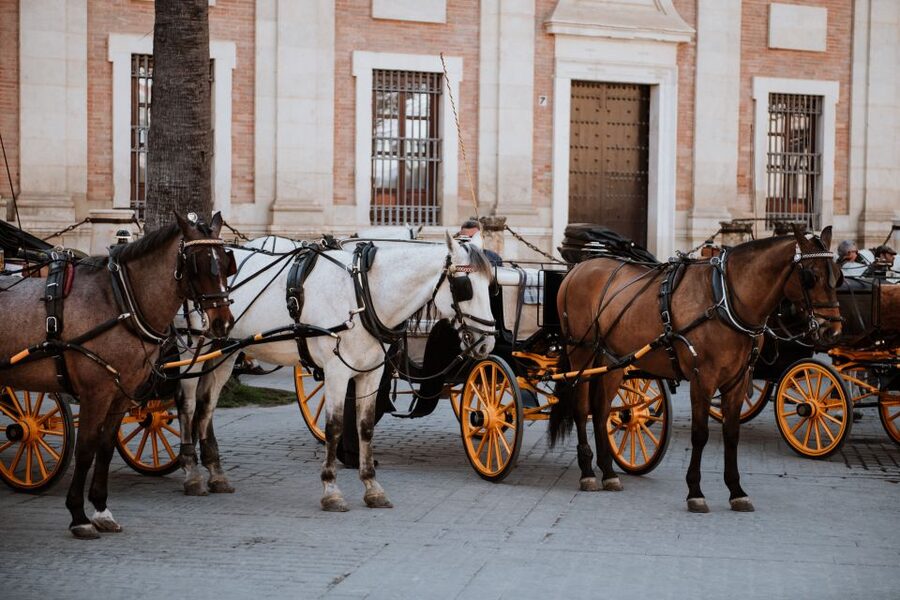
Calle Susona is where legend and neighborhood reality overlap most directly. If Susona’s name made you curious, this is the moment the tour makes it concrete. You’re not just hearing a tale; you’re walking the street where the tour says that story belongs.
The best way to understand Rosina’s Balcony is to treat it like a bridge. The tour connects literary and operatic references to the city you’re standing in. If you’ve heard of Rosina through music, or you’ve encountered Seville through famous Spanish works, this stop gives you a new way to read those references.
You’ll also walk by Calle Ópera Carmen. That name alone signals the tour’s theme: Seville’s art and stories don’t live in separate worlds. They’re tied to streets, viewpoints, and specific corners.
This is one reason this walk works well even if you don’t consider yourself a history person. The guide uses stories you might already know—Carmen, Don Juan—and then shows how Seville’s geography fed that creativity. You start to see the city as a character, not just a backdrop.
Casa Murillo to Patio de Banderas: a satisfying finish point
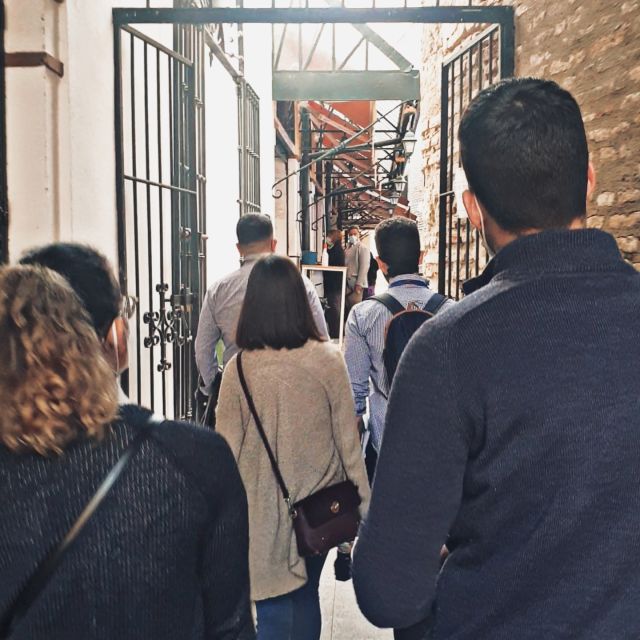
As you move through the back-and-forth flow of Santa Cruz, you’ll hit Casa Murillo and then end at Patio de Banderas. Those late stops matter because they help you consolidate what you learned earlier.
Patio de Banderas is a strong finish because it brings you back into a more open, readable space after the tight alleys. By the time you reach the patio, you’ve built a mental picture of the neighborhood: the legends, the courtyards, the plaza rhythm, and the way Seville’s old structures still influence how you experience the area today.
There’s also a brief “hop-on hop-off” style stop during the walk. Practically, it’s a short pacing moment—enough time for the guide to keep momentum without turning the entire route into one unbroken grind.
If you like tours that help you leave with a sense of orientation, this ending works. You’re not dumped back somewhere random; you’re guided toward a place where it’s easier to continue exploring on your own.
Price and pace: why $15 feels like good value here
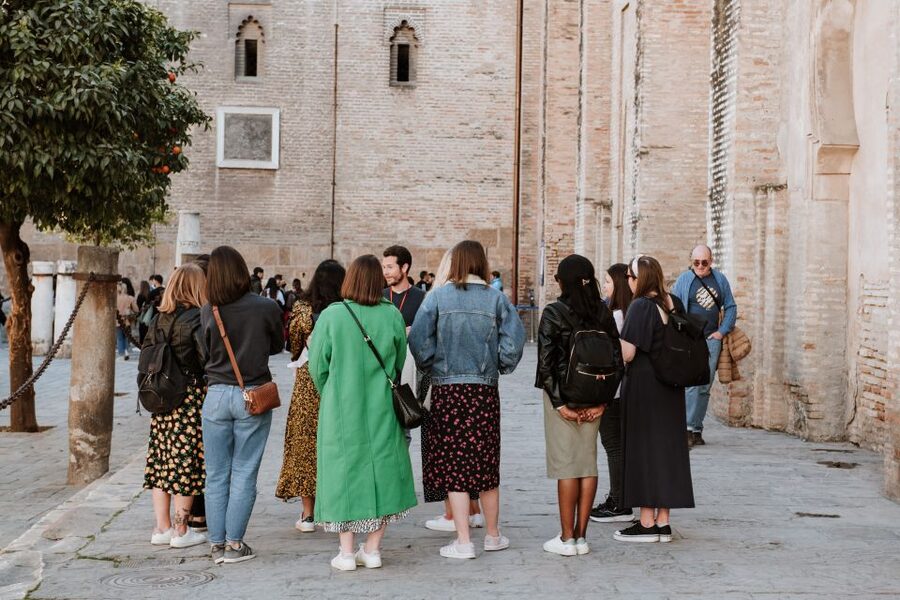
At $15 per person for about 1.5 hours, this tour is priced like a city experience, not a premium attraction. For the money, you’re buying three things: a guided route, focused storytelling, and help noticing details you’d miss on your own.
The main value is the guide. In the best sessions, the guide answers questions in depth and adjusts to what the group wants. For example, one booking mentions Juan doing a solid job of explaining Seville’s history on the walk, while another describes Alfredo’s strong historical framing of the Jewish quarter. There are also plenty of accounts of guides like Julio and Valentin keeping the tone fun, with humor layered into the facts.
The pace is the only real tradeoff. You’ll hit multiple named stops, and you’ll be walking steadily through narrow streets. If you love taking photos every few steps, you might want to plan a slower follow-up stroll afterward.
Practical advice that genuinely helps:
- Wear comfortable shoes. Santa Cruz streets don’t do soft landings.
- Add sunblock if you’re touring in daylight heat.
- Bring a phone camera only if you’re ready to pause safely. The route is tight.
Who this tour is best for
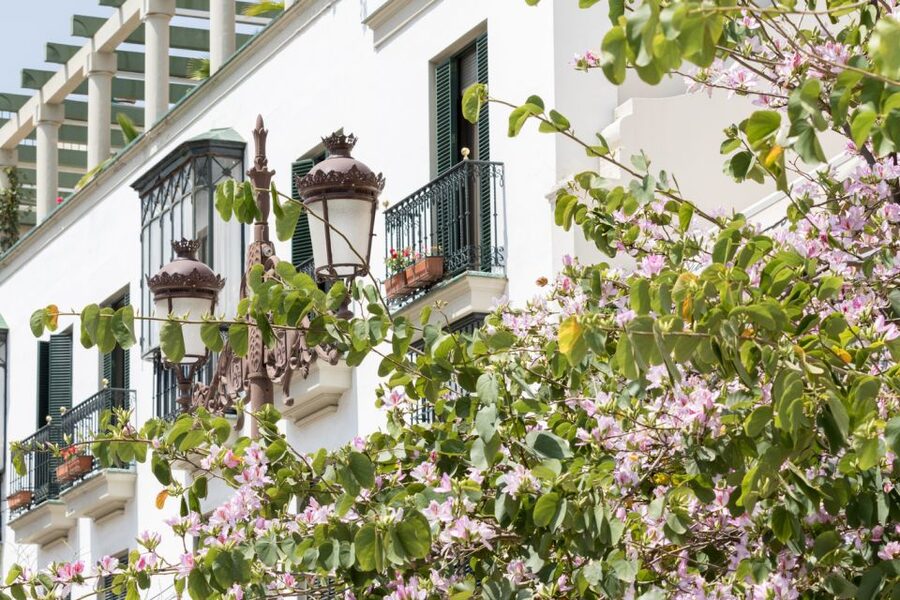
This is a great fit if you:
- Want the Santa Cruz Jewish Quarter story in a single focused loop
- Like connecting legend to specific places, not just reading about them later
- Enjoy guides who teach through anecdotes, including opera references like Carmen and Don Juan-style links
It’s also a good “first Seville history” option. Even with only 1.5 hours, you’ll come away with names—Susona, Miguel Mañara, Barrabás—and with a clearer sense of why Santa Cruz became such an emblem of Seville.
If you’re the type who only wants pure, academic history with lots of time at indoor sites, you might find the format a bit too story-forward. But if you want insight you can carry into the streets, this tour is built for you.
Should you book the Santa Cruz Jewish Quarter walking tour?
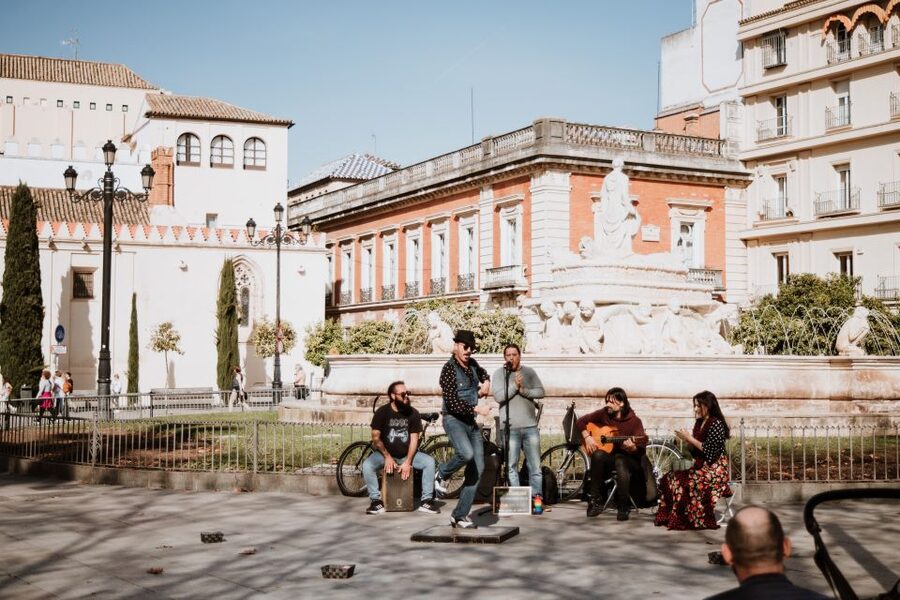
Yes—if your goal is to understand Santa Cruz in a way you can actually remember while you’re walking. The low price, tight route, and strong legend-to-place storytelling make it one of the smartest ways to use limited time in Seville.
I’d book it especially if you care about details: courtyards with flowers, plazas like Doña Elvira and Plaza de la Alianza, and the opera-flavored side of Seville that shows up in street names and local lore. If you’re nervous about fitting a tour into a busy day, the 1.5-hour duration is an advantage, not a compromise.
If you’re the kind of traveler who loves wandering alone, you can still enjoy Santa Cruz without a guide—but you’ll lose the map of meanings. This is where the stories turn into directions.
FAQ
Where do I meet the guide?
Meet in Plaza del Triunfo under the Virgen de la Inmaculada statue. The guide will be holding a blue umbrella or wearing a nametag with the Sevilla Guías & Tours logo.
How long is the Santa Cruz Jewish Quarter walking tour?
The tour lasts 1.5 hours.
How much does it cost?
The price is $15 per person.
What languages are offered?
Guided tours are available in English or Spanish.
Is the tour wheelchair accessible?
Yes, the tour is marked as wheelchair accessible.
Is flamenco included?
Flamenco is optional. You can ask the guide at the meeting point to check availability.
Can I cancel for a refund?
Yes. You can cancel up to 24 hours in advance for a full refund.
More Tour Reviews in Seville
- Seville: Live Flamenco Dancing Show Ticket at the Theater
★ 4.7 · 16,396 reviews - Seville: Alcázar, Cathedral & Giralda Skip-the-Line Tour
★ 4.8 · 11,525 reviews - Seville: 1-Hour Guadalquivir River Sightseeing Eco Cruise
★ 4.2 · 10,281 reviews - Seville: Setas de Sevilla Entry Ticket
★ 4.6 · 8,901 reviews - Seville: Cathedral, Giralda & Alcazar Entry With Guided Tour
★ 4.6 · 8,560 reviews
More Walks Through the Old Town
- Seville: Small-Group City Highlights Walking Tour
★ 5.0 · 1,204 reviews - Cultural Walking Tour of Seville Monumental
★ 5.0 · 861 reviews - Seville: Tapas, Taverns, and History Walking Tour
★ 4.9 · 676 reviews - Seville: Tapas, Taverns and History Guided Walking Tour
★ 4.9 · 515 reviews - Seville: Small-Group Jewish Quarter Discovery Walking Tour
★ 4.9 · 499 reviews
Further Into Santa Cruz
- Seville: Small-Group Jewish Quarter Discovery Walking Tour
★ 4.9 · 499 reviews - VIP Guided Seville Alcazar Pre-Opening, Cathedral & Old Town
★ 5.0 · 191 reviews - Santa Cruz Jewish Quarter Guided Tour in Seville
★ 4.0 · 144 reviews - Seville: 1-Hour Walking Tour Barrio de Santa Cruz
★ 4.5 · 131 reviews - Private Tour Jewish Quarter, center and Plaza de España
★ 5.0 · 127 reviews
Just added to the Seville list




Barrio Santa Cruz & Jewish Quarter, compared.
 ★ 4.9Small-Group Jewish Quarter Discovery Walking TourFrom $29499 reviews
 ★ 5.0VIP Guided Seville Alcazar Pre-Opening, Cathedral & Old TownFrom $138191 reviews
 ★ 4.0Santa Cruz Jewish Quarter Guided Tour in SevilleFrom $24144 reviews
 ★ 4.51-Hour Walking Tour Barrio de Santa CruzFrom $18131 reviews
 ★ 5.0Private Tour Jewish Quarter, center and Plaza de EspañaFrom $189127 reviews
 ★ 5.0Small Group Jewish Quarter Tour with Tapas & DrinksFrom $59119 reviews
 ★ 5.0Seville Jewish Quarter Small Group Tour with Tapas and DrinksFrom $71110 reviews
 ★ 5.0Seville Former Jewish Quarter Walking Tour: Santa CruzFrom $18105 reviews
Browse the lists this tour appears in