
Review · SEVILLE TAPAS TOURS
Sevilla Food Tour: Tapas, Wine, History & Traditions
Food is the fastest way to read Sevilla.
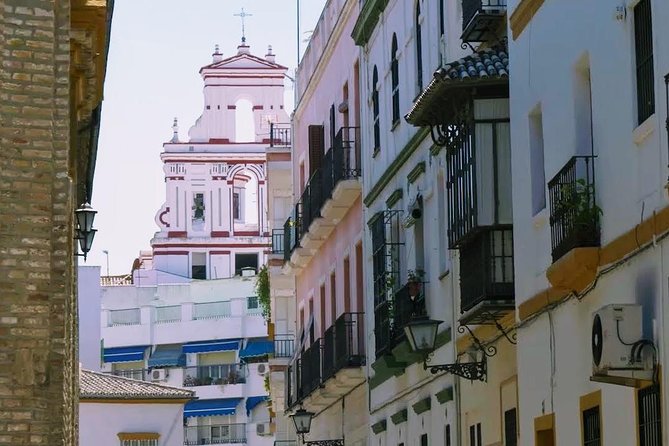
This 3.5-hour tapas-and-wine walk takes you through old neighborhoods with four tasting stops and a mix of history, traditions, and local bar culture. I especially like that you’re not stuck in one restaurant; you bounce from place to place—Plaza de la Encarnación, Los Soportales, Alfalfa, and then into Santa Cruz—so you taste the city’s rhythm as much as its food. One possible drawback: it’s not built for everyone—if you have celiac disease or you follow a vegan diet, it’s not recommended.
What makes it work is the pairing of small bites, drinks, and stories. You’ll sample a set of classic foods (things like chicharrones, montaíto, carrillada, espinacas with chickpeas, albóndigas, and pestiños) alongside four wines that guides often describe with real context, not just a list of labels. Guides like Alejandro, Pilar, Cate, and Ella show up repeatedly in feedback for keeping the pace fun while still adding neighborhood history you can carry into the rest of your trip—plus, some guides even send a follow-up note with the bars you visited. If you’re expecting huge portions or a heavy focus on food alone, you may find the tastings more “taster-size” than “full meal,” depending on the night and the group.
In This Review
- Key things to know before you go
- Sevilla Food Tour: Tapas, Wine, History, and Traditions
- Meeting at Plaza de la Encarnación and the Metropol Parasol start
- Los Soportales: chicharrones, montaíto, and Cruzcampo on tap
- Plaza del Pan: a quick look at traje de flamenca
- Alfalfa: tostas and montaditos in an old-neighborhood tavern
- Strolling the historic core and stepping into Santa Maria la Blanca
- Barrio Santa Cruz: albóndigas, pestiños, and PX in a patio setting
- What you’ll eat and drink: the menu logic behind the tastings
- Guides and pacing: what the top reviews consistently reward
- Price and logistics: whether $83.44 is a fair deal
- Who should book this Seville tapas and wine walk
- Should you book? My decision guide
- FAQ
- Where do we meet for the Sevilla Food Tour?
- How long is the tour?
- What’s included in the price?
- Is the tour suitable for celiac disease or gluten-free diets?
- Is the tour vegan-friendly?
- How many people are in the group and what language is it in?
Key things to know before you go
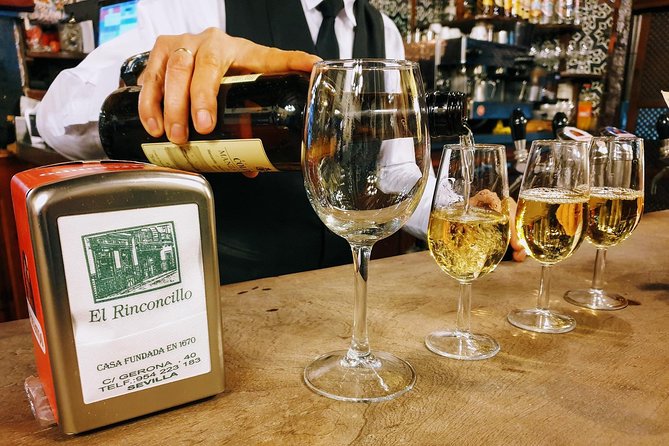
- Four drink servings: typically four wines, with some flexibility to include beer or soft drinks
- Small group size: a maximum of 12 travelers keeps things social and moving
- Neighborhood-first route: you walk through key areas like Alfalfa and Santa Cruz, not just tourist streets
- Food that signals Sevilla: carrillada, espinacas con chickpeas, PX sherry, albóndigas, and pestiños show up for a reason
- Guides bring both stories and practical tips: multiple guides are praised for history plus “what to order next” advice
- Diet limits are real: not recommended for celiac due to cross-contamination risk, and not recommended for vegans
Still hungry? More tapas crawls to book
- Ultimate Seville Tapas, Wine & History Small Group Tour★ 5.0 · 1,766 reviews
- Seville: Tapas Crawl★ 4.9 · 1,705 reviews
- Authentic Flamenco Show with Tapas & Wine Guided Tour★ 5.0 · 1,476 reviews
Sevilla Food Tour: Tapas, Wine, History, and Traditions
Sevilla has a way of turning dinner into a social sport. This tour leans into that reality: you walk, you snack, you sip, and you learn why tapas and local drinking rituals look the way they do here. It’s also a smart length—3 hours 30 minutes gives you enough time to feel like you did something real without burning your whole night.
I like that the tour is built for first-time visitors. You’re guided through places that help you “place” what you’re seeing later—especially in older areas where the streets and squares feel like living rooms. And since it’s in English and capped at 12 people, it stays friendly rather than chaotic.
Meeting at Plaza de la Encarnación and the Metropol Parasol start
You begin at the white monumental fountain in Plaza de la Encarnación, right by the Metropol Parasol complex known as Setas de Sevilla. It’s a strong starting point because it instantly mixes modern Sevilla with the old-city maze you’ll explore right after.
The tour gives you a quick orientation moment—no long lecture. You’re getting your feet under you, then moving into the food part of the night.
Why this matters for your trip: if you’re arriving for the first time, this spot helps you understand where major sights sit relative to each other. You’ll also start with the feeling that Sevilla is both layered and slightly surprising, not just postcard-pretty.
Los Soportales: chicharrones, montaíto, and Cruzcampo on tap
Next comes Los Soportales, where the tone gets properly local. You’ll try typical dishes such as chicharrones and montaíto, and your drink usually lands as Cruzcampo beer straight from the barrel—or you can choose wine.
This stop is the “Sevilla comfort food” moment. Chicharrones bring that classic fried-snack crunch, while montaíto leans into something more specific to regional tastes. Either way, it’s exactly the kind of bar food that makes tapas culture click: small portions, shared energy, and a reason to linger.
One consideration: several people mention that alcohol can feel a bit heavy. If you prefer lighter sipping, pace yourself early. Also, don’t assume every drink will be huge—this tour is about tastings, not a wine binge.
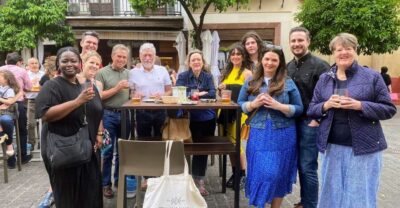
Another round of sherry, wine and sangria

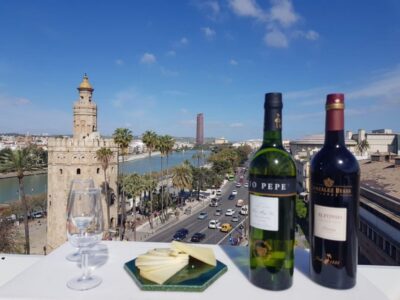
Plaza del Pan: a quick look at traje de flamenca
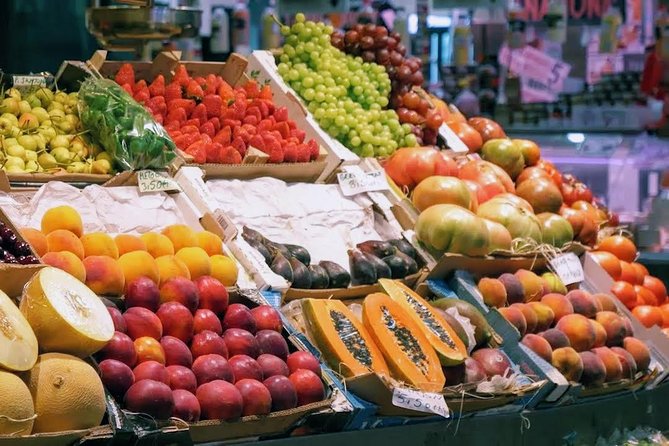
There’s a short pause at Plaza del Pan (near a flamenco dress shop tied to local festivities). You’ll get a glimpse of the traje de flamenca—the traditional outfit worn during Feria and other celebrations.
This isn’t a food stop, but it’s still useful. It’s how you connect the dots between Seville’s nightlife and its visual traditions. Flamenco isn’t only on a stage; it’s in how people dress, celebrate, and show up in the city.
If you’re the kind of traveler who likes culture that you can recognize later while walking, this brief stop helps.
Alfalfa: tostas and montaditos in an old-neighborhood tavern
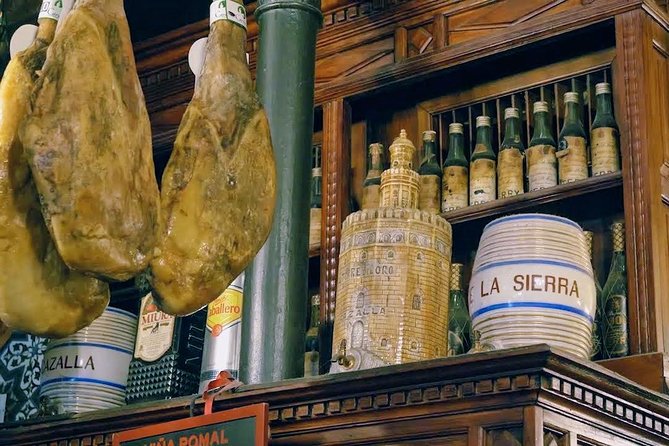
Then you head into Alfalfa, a neighborhood described as having medieval roots and constant local movement. The vibe here is more “lived-in” than “tourist-facing,” and that’s exactly why it works for a food tour.
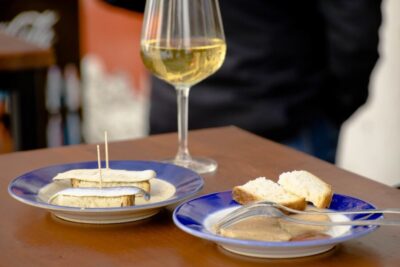
You’ll visit a small tavern with a rustic touch and a short but focused selection of tostas, montaditos, and regional wines. The tastings are meant to feel like what locals actually do: grab something quick, eat it where you are, and keep the night going.
A practical note: because this stop is also part of the walking rhythm, it can feel like a natural break rather than a formal sit-down. If you want to take photos, do it between bites—tables and counters fill fast at popular bars.
Strolling the historic core and stepping into Santa Maria la Blanca
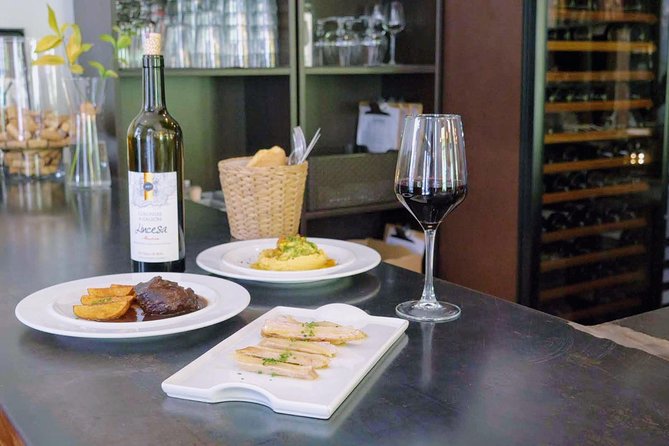
After Alfalfa, you spend time walking through the historic center. This isn’t filler; it’s the connective tissue. Tastings alone can feel disconnected, but these streets give you context for what you’re tasting and why it’s tied to neighborhood identity.
Later you reach the area around Iglesia de Santa Maria la Blanca, where you stop at a classic neighborhood bar known for “grandma-style” cooking. Here, you taste two local staples: slow-cooked carrillada and espinacas con chickpeas.
I like that these aren’t just bar-snacks. Carrillada gives you slow-cooked depth, while the greens-and-chickpeas dish reminds you that Spanish comfort food often isn’t heavy on show—it’s heavy on flavor and technique.
You’ll also hear about Seville’s football culture and the city’s oldest Betis supporters’ club. This is a quirky but fun add-on that helps you see Sevilla as a community, not just a collection of monuments. And if you’re not a football person, you’ll still find it easy to follow because it’s framed around local identity.
Barrio Santa Cruz: albóndigas, pestiños, and PX in a patio setting
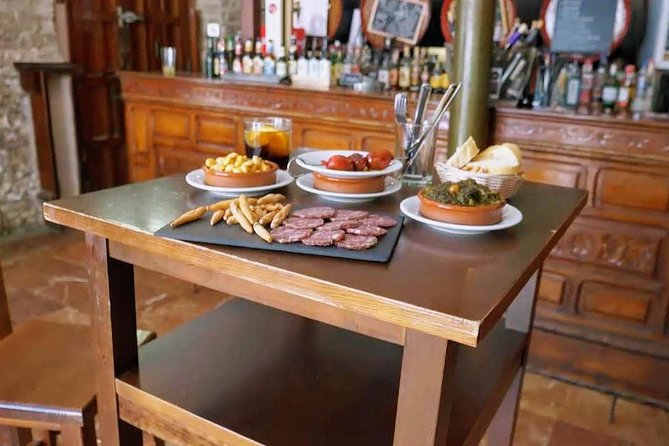
The finale moves into Barrio Santa Cruz, in the heart of Seville’s historic Jewish quarter. Here you visit a family-owned tavern set in a traditional Sevillian home with a patio. It’s the kind of place that makes the tour feel like more than a checklist.
You’ll sample albóndigas (Seville-style meatballs), local sweets like pestiños, and finish with a glass of PX. PX is a sweet fortified wine made from Pedro Ximénez grapes, and it’s one of those flavors that makes tapas culture click for people who thought “wine” meant one thing.
Some guests specifically mention loving an orange wine, which hints that your exact pour can vary by night and partner availability. So don’t treat the menu as a rigid script. Treat it as a “Sevilla flavors at this moment” situation.
What you’ll eat and drink: the menu logic behind the tastings
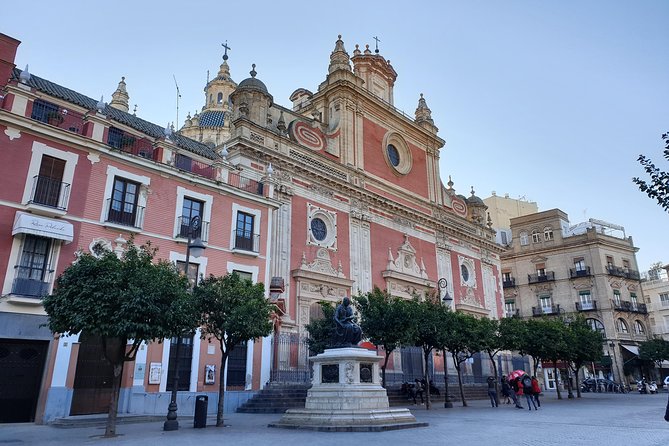
The tour includes enough food tastings for something close to lunch or dinner, plus four wines (or beer/soft drinks, depending on what’s served). That “enough food” part is important because a lot of tapas tours either skim too lightly or serve just one or two standout items.
From what’s served on this experience, you may run into classics like:
- Chicharrones de Cádiz
- Pringá sandwich
- Red tuna with almonds
- Marinated cazón fish
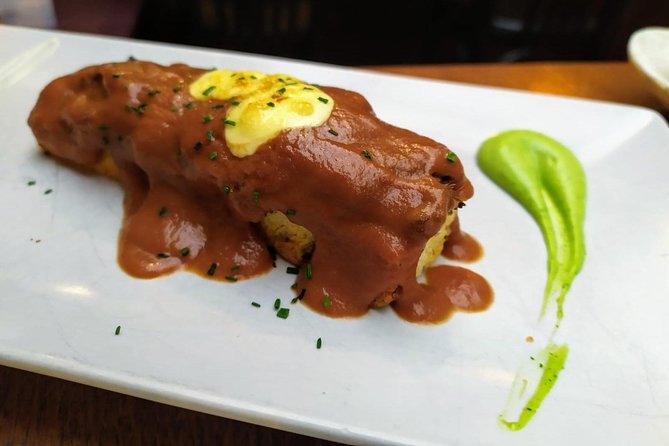
- Spanish omelette with whisky sauce
- Salchichón and other cold cuts
- Cheese from Ronda
- Meatballs with vegetables
- Pestiño as dessert
On the drink side, you’re not stuck with one safe option. You’ll typically try four wines, and many people note that the pairing stories make the flavors feel more intentional. Some guides also steer guests toward styles people don’t expect to like—like PX or even orange wine.
Why this structure is good for you:
- You get variety across fry, stew, cold cuts, and sweets.
- You taste across different parts of the city, so food feels connected to place.
- You learn what to look for next when you’re choosing bars on your own.
One caution: the “tasting portions” approach means you’re eating multiple bites, not a full plate at each stop. If you’re a big eater, plan to follow up afterward with something small you’re craving, not a second full dinner.
Guides and pacing: what the top reviews consistently reward
The biggest pattern in the feedback is that the guide can make or break the night. Names that show up again and again for strong performance include Alejandro, Pilar, Cate, Dorota, Ella, Jeff, Stephanie, Ferran, and Sasha. The praise usually lands on three things: friendly energy, strong city storytelling, and a smooth pace that keeps tables waiting on you instead of making you wait on them.
You may also get practical tips during the walk—what to order, where to go next, and how to read the bar scene so you don’t feel lost when you wander afterward. One nice bonus: some guides send a follow-up email listing bars and what you ate. That’s handy when you want to repeat a stop you loved.
The flip side: a minority of feedback complains about portions or drink sizes feeling small, and one mention says the food didn’t match expectations. If you know you’re picky about food quality or quantity, keep your expectations aligned with a tasting tour. You’re paying for guided access to multiple neighborhood bars, not for a private feast.
Price and logistics: whether $83.44 is a fair deal
At $83.44 per person for roughly 3.5 hours, the value comes down to what’s included:
- enough tastings for a meal-like experience
- four wines (or beer/soft drinks as alternatives)
- a local guide and a dining guide with bar and restaurant suggestions
- a route that mixes food with historical and cultural context
For many visitors, that’s the key: you’re paying for someone to translate Sevilla’s food culture while also getting you into places you might not find quickly. In a city where tapas is more tradition than a single “must-eat” dish, guidance matters.
Where the math can feel less perfect is if you’re expecting very large quantities at every stop or you want heavy focus on wine expertise. This is a tasting tour, and the food is designed to keep you moving.
My practical take: if it’s one of your first nights, it’s easy to justify. You’ll leave with bar recommendations you can use immediately, plus a clearer sense of what “tapas style” actually means here.
Who should book this Seville tapas and wine walk
Book it if you:
- want to learn how tapas culture works in Sevilla, not just eat random bites
- like a mix of food + neighborhood history
- enjoy social evenings with a small group (up to 12)
- are visiting in your first days and want solid bar suggestions for the rest of your trip
You might want to skip or look for an alternative if you:
- have celiac disease (cross-contamination risk means it’s not recommended)
- follow a vegan diet (it’s not recommended for vegans)
- want strictly plant-based menus or allergy-safe handling guaranteed by the tour data
If you have dietary restrictions, the tour asks you to share them ahead of time. Just don’t assume every dish will be easy to modify without limitations.
Should you book? My decision guide
I’d book this tour if you want the simplest way to taste multiple sides of Sevilla in one night—especially if you enjoy learning the story behind what you’re eating. The route is designed to connect food to neighborhoods, and the “multiple stops + four drinks” format usually means you leave satisfied and with next-steps for your own wandering.
I’d hesitate if your top priority is huge portions or if your diet requires guaranteed allergy-safe preparation. For everyone else, this is one of the more practical ways to turn Sevilla’s streets into a memorable, edible plan.
FAQ
Where do we meet for the Sevilla Food Tour?
You meet at the white monumental fountain at Plaza de la Encarnación in Casco Antiguo (near Metropol Parasol, Setas de Sevilla). The tour ends at Calle Santa María la Blanca in Casco Antiguo.
How long is the tour?
The tour runs about 3 hours 30 minutes.
What’s included in the price?
The price includes local guide time, food tastings, and four wines (or beer/soft drinks), plus a Seville dining guide with bar and restaurant suggestions.
Is the tour suitable for celiac disease or gluten-free diets?
It is not recommended for those with celiac disease due to the risk of gluten cross-contamination.
Is the tour vegan-friendly?
It is not recommended for vegans.
How many people are in the group and what language is it in?
The tour has a maximum of 12 travelers and is offered in English.
More Tour Reviews in Seville
- Seville: Live Flamenco Dancing Show Ticket at the Theater
★ 4.7 · 16,396 reviews - Seville: Alcázar, Cathedral & Giralda Skip-the-Line Tour
★ 4.8 · 11,525 reviews - Seville: 1-Hour Guadalquivir River Sightseeing Eco Cruise
★ 4.2 · 10,281 reviews - Seville: Setas de Sevilla Entry Ticket
★ 4.6 · 8,901 reviews - Seville: Cathedral, Giralda & Alcazar Entry With Guided Tour
★ 4.6 · 8,560 reviews
A Few More Andalusian Pours
- Ultimate Seville Tapas, Wine & History Small Group Tour
★ 5.0 · 1,766 reviews - Authentic Flamenco Show with Tapas & Wine Guided Tour
★ 5.0 · 1,476 reviews - Seville: Sangria Tasting Experience
★ 4.8 · 465 reviews - Seville: Sangria Tasting Experience
★ 4.9 · 288 reviews - Sangria Tasting Experience
★ 4.5 · 222 reviews
Seville, One Plate at a Time
- Ultimate Seville Tapas, Wine & History Small Group Tour
★ 5.0 · 1,766 reviews - Seville: Tapas Crawl
★ 4.9 · 1,705 reviews - Authentic Flamenco Show with Tapas & Wine Guided Tour
★ 5.0 · 1,476 reviews - Flamenco Show at Tablao El Arenal with Drink and Optional Dinner or Tapas
★ 4.5 · 1,415 reviews - The Seville Tapas Crawl Tour by Food Lover Tour
★ 5.0 · 1,213 reviews
Just added to the Seville list





Seville Tapas Tours, compared.
 ★ 5.0Ultimate Seville Tapas, Wine & History Small Group TourFrom $1011,766 reviews
 ★ 4.9Tapas CrawlFrom $861,705 reviews
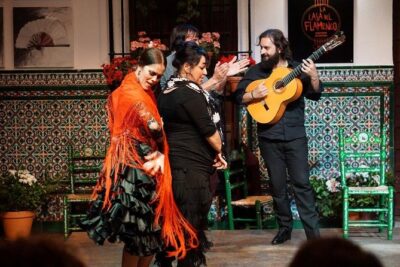 ★ 5.0Authentic Flamenco Show with Tapas & Wine Guided TourFrom $951,476 reviews
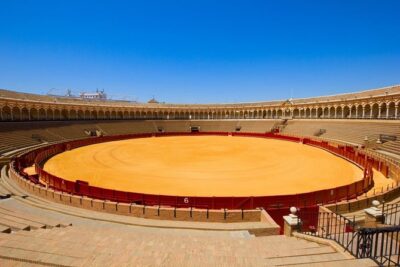 ★ 4.5Flamenco Show at Tablao El Arenal with Drink and Optional Dinner or TapasFrom $591,415 reviews
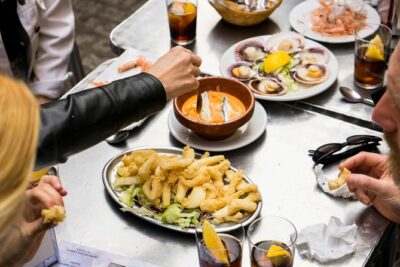 ★ 5.0The Seville Tapas Crawl Tour by Food Lover TourFrom $881,213 reviews
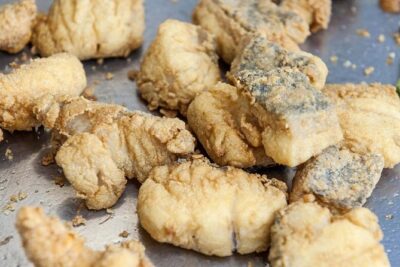 ★ 5.0Seville Ultimate Food TourFrom $83898 reviews
 ★ 4.3Exclusive River Boat Tour with TapasFrom $41802 reviews
 ★ 4.9Tapas, Taverns, and History Walking TourFrom $84676 reviews
Browse the lists this tour appears in