
Review · ITáLICA ROMAN RUINS
Italica Roman City Tour from Seville
Roman ruins, a short hop from Seville. This Italica tour is one clear reason to leave the city for half a day: you get a guided walk through a real Roman world, and you learn why emperors Trajan and Hadrian matter. I especially liked the professional historian-style guidance and the chance to stand in front of big-ticket ruins like the amphitheater and mosaic floors.
The main catch is the physical side. You’ll do a good amount of walking on uneven ground with changes in level, so pack sturdy shoes and expect you’ll work your legs. If you’re prone to motion sickness, the trip by bus on twisty roads can also be a consideration.
In This Review
- Key Highlights to Know Before You Go
- Why Italica Feels Like More Than a Day Trip
- Getting From Seville: the 10:00 a.m. start and windy-road reality
- The Archaeological Ensemble of Italica: what the guided walk does for you
- Amphitheater, Traianeum, mosaics, baths: the stops with the strongest payoff
- Santiponce’s partially reconstructed Roman theater: why “partial” can be useful
- The monastery add-on near Italica: a bonus for some, a time-taker for others
- The guide factor: how to get the most from the commentary
- Walking, heat, and photo time: your practical checklist
- Price and value: what you’re really paying for at $46.85
- Who This Tour Works Best For
- Should You Book the Italica Roman City Tour from Seville?
- FAQ
- How long is the Italica Roman City Tour from Seville?
- What time does the tour start?
- Is admission included in the tour price?
- Do you get an English-speaking guide?
- Will I be in a large group?
- Is there a lot of walking?
- Is the vehicle air-conditioned?
- Is there a monastery stop?
- Does the itinerary end back in Seville?
Key Highlights to Know Before You Go
- Skip-the-line handling so you spend more time at the ruins and less time stalled at the entrance
- A small coach feel, up to 55 people with a guide who keeps the story moving
- Trajan and Hadrian’s birthplace context tied directly to what you’re looking at
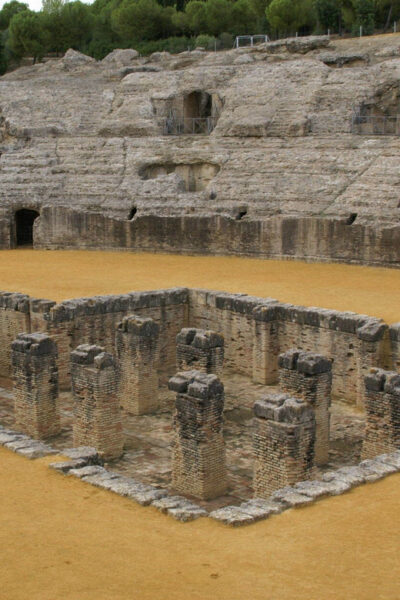
- The amphitheater at Italica (built for about 25,000 seats) and other major public spaces
- Traianeum, mosaics, baths, and statues that make the site more than just “old stones”
- A nearby monastery stop that adds context, but may cut into your free time at Italica
Other Roman mornings out at Italica
- Historical Italica: Half-Day Guided Tour from Seville★ 4.5 · 416 reviews
- Seville: Game of Thrones and Roman Empire Italica Tour★ 4.3 · 372 reviews
- Visit to Italica Roman Ruins Tour tickets included★ 4.5 · 285 reviews
Why Italica Feels Like More Than a Day Trip
Italica is close to Seville, but it doesn’t feel like a “quick stop.” It’s the first authentically Roman city in Spain, founded in 206 B.C. by Roman general Publius Cornelius Scipio Africanus. That one fact changes how you see everything. This isn’t random archaeology. It’s a planned Roman city, built with Roman priorities: entertainment, temples, baths, public life, and impressive decoration.
I also like that the tour doesn’t treat Italica like a single wow moment. You move through multiple kinds of spaces—homes and streets, the amphitheater, the Traianeum area, mosaics, and baths—so you get a sense of how the city worked day to day.
Just don’t expect endless time. Even with a 4-hour tour, the schedule is built around travel plus a guided circuit plus a short extra stop nearby. That leads to one practical expectation: you’ll get focused time at Italica, not a slow, unguided wander.
Getting From Seville: the 10:00 a.m. start and windy-road reality
This tour starts at 10:00 a.m. and runs for about 4 hours. It includes admission, and you ride in an air-conditioned vehicle, which matters in Seville-area heat.
The drive itself is usually short—Italica is about 15 minutes from Seville—but don’t ignore road comfort. One review flagged that the roads can be windy and that the bus sways, so if motion sickness hits you easily, plan for it. That can mean sitting where you feel the least movement (often nearer the front) and bringing whatever helps you personally.
Another timing note: the experience ends at a different location from where you started. In practice, that’s normal for day trips, but it’s worth keeping in mind so you’re not trying to rush back into Seville without a plan.
The Archaeological Ensemble of Italica: what the guided walk does for you
When you arrive, the tour’s real value kicks in: you’re not just looking at ruins, you’re learning how to read them.
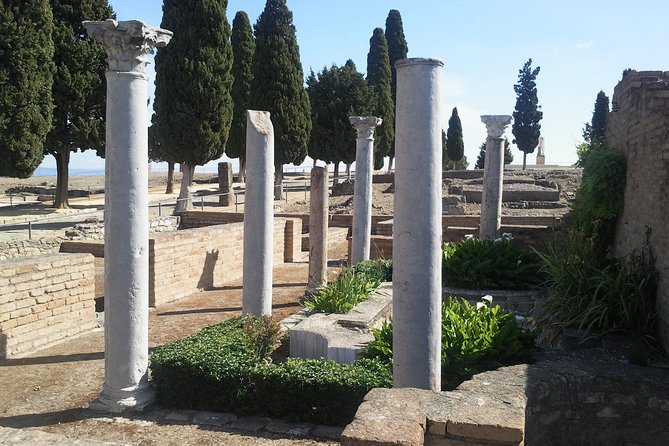
You’ll walk old streets and move through the “Roman city layout” idea—ruins of houses and public buildings—so you can connect shapes and spaces to daily life. The guide’s job is to translate what you’re seeing into Roman terms: what might have been public versus private, where crowds gathered, and which parts were meant for display and power.
Guides on this route vary by departure, but the pattern is consistent: the commentary ties architecture to emperors and Roman culture. Some guides named in experiences include Jesus, Luca, Jose, Alberto, Mario, Carmen, Catherine, and Adrián. I’d treat that as a good sign, because when the guide can explain why a detail matters, ruins stop feeling like random piles.
A small but important practical point: Italica has rough, uneven surfaces and level changes. This is not the kind of site where you can cruise on easy pavement.
Still deciding? A few more Seville picks worth a look.
Amphitheater, Traianeum, mosaics, baths: the stops with the strongest payoff
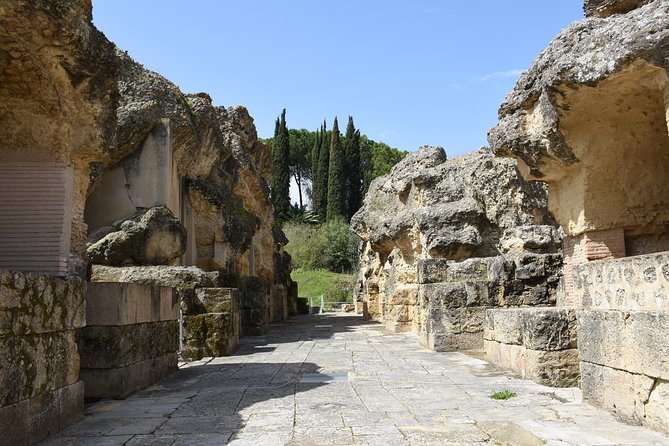
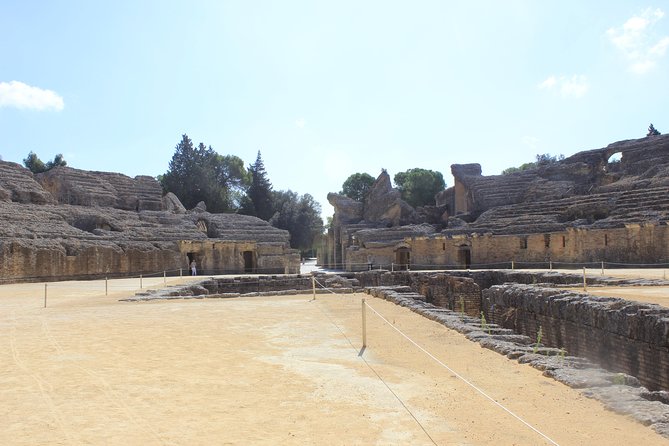
Italica’s big draws are the kinds of Roman architecture that had purpose beyond looks. The amphitheater is one of them. It’s described as having seating capacity around 25,000, and it was the third-largest in the Roman Empire. Even standing where the lower edges would have been, you start to grasp how seriously Rome took spectacle.
Then there’s the Traianeum area, which connects directly to Trajan and the city’s imperial identity. The tour also highlights decorative and symbolic pieces, including statues associated with Diana, Venus, and Trajan. Seeing these names in context helps you understand what Romans valued in public space: power, religion, and myth placed where everyday people would see it.
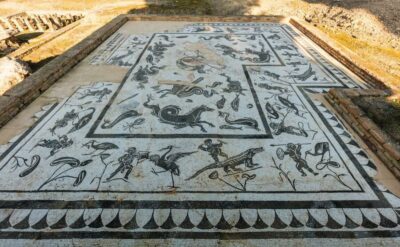
Don’t skip the mosaics. The mosaics are a major part of what makes Italica feel lived-in. They show that someone cared about art and design, not just construction.
And yes, the public baths are part of the tour too. Baths were social centers—part hygiene, part conversation, part status. When you spot how the complex was laid out, you get an extra layer beyond the amphitheater.
Santiponce’s partially reconstructed Roman theater: why “partial” can be useful
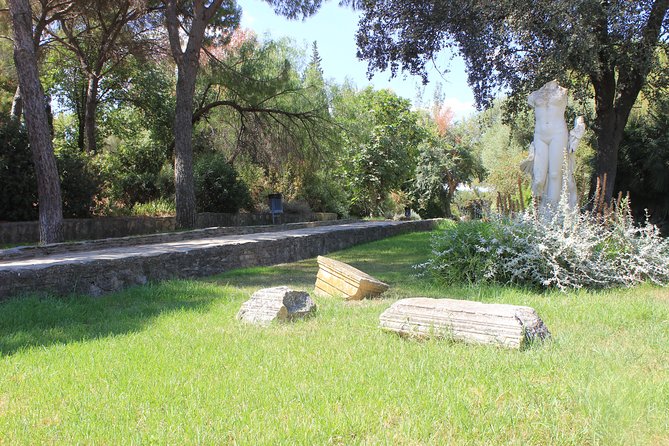
You’ll also see a partially reconstructed Roman theater in Santiponce. That word—partially—is important. You’re not looking at a fully restored building, so you won’t get the “perfect ancient photo” effect every time.
But the value is that reconstruction can show how space might have functioned. With a guide pointing out the structure and the idea behind it, you can piece together what theater architecture was built to do: shape crowds, control sightlines, and turn performances into a shared civic moment.
This stop can also help you keep perspective. Italica isn’t only about emperors and grand monuments. It’s also about entertainment and community life.
The monastery add-on near Italica: a bonus for some, a time-taker for others
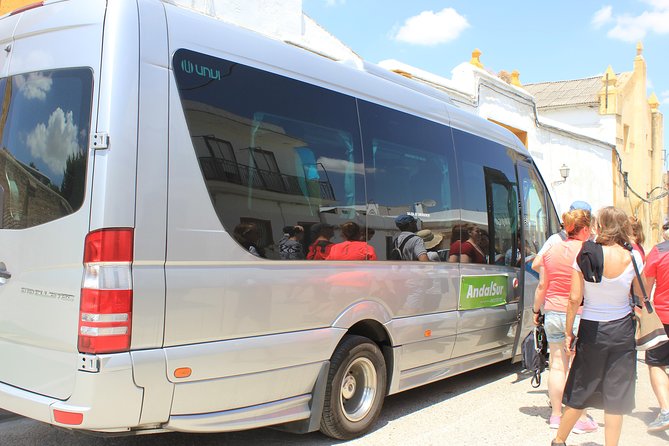
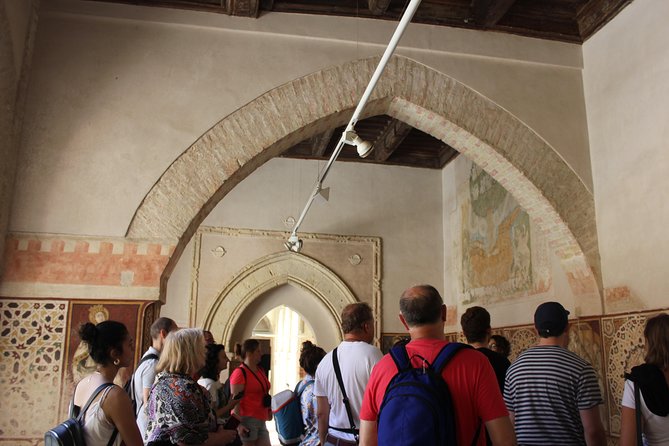
Your half-day includes a nearby monastery stop, San Isidoro del Campo. Some departures include it as part of the overall experience, and you should plan for it. In a real-world schedule, it can add context after the Roman ruins—but it also means you may not have as much free time inside Italica as you hoped.
One practical takeaway: if your main goal is photographing Italica thoroughly, you may want to adjust expectations. The guided portion gives you a clear route and highlights, but your unstructured picture time could be tighter than you’d like.
That said, if you enjoy seeing how different historical layers sit close together, the monastery visit can feel like a satisfying “then and now” contrast.
The guide factor: how to get the most from the commentary
This is where your experience can swing. The tour is designed around a professional art historian guide, and many guides are praised for making the ruins feel understandable and even entertaining, sometimes with humor.
Names that came up in experiences include Jesus and Luca, praised for strong knowledge and engaging delivery. Catherine was singled out for being funny and effective in difficult heat. Jose and Alberto were praised for passion and teaching-style explanations.
But there are also a few issues to keep in mind:
- English can vary in clarity from guide to guide, including heavily accented speech in some cases.
- On multi-language departures, you might hear different language explanations in the same area, which can slow the pace.
- If your goal is nonstop Roman content, you might find that the guide sometimes broadens into general Spain context rather than sticking tightly to Italica.
My advice: go in with a flexible mindset. Even when delivery isn’t perfect, the guide is still what turns ruins into “a place with a reason.”
Walking, heat, and photo time: your practical checklist
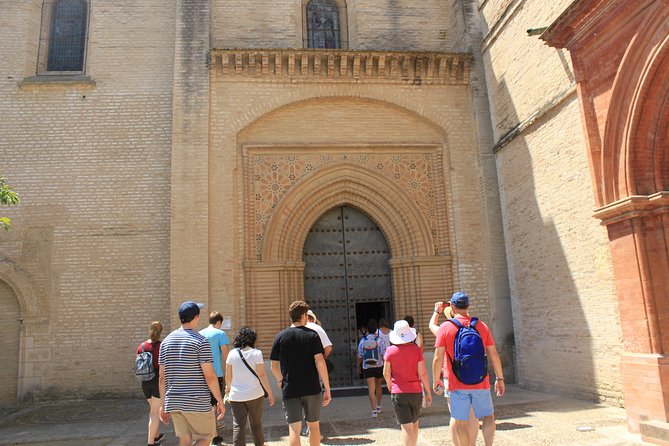
Italica is outdoors and you’ll move. Build your comfort around three things: feet, sun, and pacing.
Wear sturdy shoes for uneven ground. Bring water, especially if you’re going in hot weather. One review described the tour as working well on a hot day, but that’s exactly when comfort matters most.
For photos, aim to take your pictures during the highlighted stops rather than waiting for a long free period. You do get time to look and learn, but this is a short-format tour, not a full-day roaming session.
If you’re trying to maximize photos, consider this mindset: guide first, camera second. Let the guide point out what matters, then you’ll know what to frame.
Price and value: what you’re really paying for at $46.85
At $46.85 per person, the price can feel fair because you’re buying three concrete things:
- A guided visit from a professional historian-style guide
- Admission included
- Skip-the-long-lines support, plus an air-conditioned vehicle
That matters when you’re trying to turn a limited time window in Seville into a high-impact site visit. You’re not only paying to get into Italica—you’re paying to have someone help you understand it fast.
Also, this tour is commonly booked about 28 days in advance, which usually signals demand. If you’re traveling in high season, booking earlier is wise, so you get the departure time and guide pairing that works best for you.
Who This Tour Works Best For
This is a strong match if you:
- want a structured way to see Italica without studying guidebooks for hours
- like Roman sites but don’t want to do all the “what am I looking at?” work yourself
- prefer small-coach logistics with a group size capped at 55
It may be less ideal if you:
- hate buses or get motion sickness on winding roads
- expect a long, slow, unhurried walk with tons of time to roam and photograph
- need very precise language delivery every minute, because English proficiency can vary by guide
Should You Book the Italica Roman City Tour from Seville?
I’d book it if you want an efficient, guided route to one of Spain’s key Roman sites. Italica is the real draw, and the tour’s value comes from getting help reading the ruins instead of guessing.
But I’d temper expectations on two fronts: time and language. Expect lots of walking and a tight schedule that includes a monastery stop. If you’re sensitive to bus motion, prepare. And if clear English is a must, consider that guide delivery can vary.
If those points fit your style, this is a smart way to turn half a day into a very Roman education—plus some excellent “standing in the right place” photo moments.
FAQ
How long is the Italica Roman City Tour from Seville?
It lasts about 4 hours.
What time does the tour start?
The start time is 10:00 a.m.
Is admission included in the tour price?
Yes. The tour includes an admission ticket.
Do you get an English-speaking guide?
The tour is offered in English.
Will I be in a large group?
The experience has a maximum group size of 55 travelers.
Is there a lot of walking?
Yes. You should have moderate physical fitness, and you’ll walk on rough, uneven surfaces with level changes.
Is the vehicle air-conditioned?
Yes. The tour includes an air-conditioned vehicle.
Is there a monastery stop?
Yes. A nearby monastery visit to San Isidoro del Campo is part of the experience on departures that include it.
Does the itinerary end back in Seville?
No. The tour ends in a different location, so plan your next step from there.
—
If you tell me your travel month and whether you get motion sickness, I can help you decide if this is the right departure to aim for.
More Tours in Seville
- Seville: Alcázar, Cathedral & Giralda Skip-the-Line Tour
★ 4.8 · 11,525 reviews - Seville: Cathedral, Giralda & Alcazar Entry With Guided Tour
★ 4.6 · 8,560 reviews - Seville: Priority Access Cathedral, Giralda & Alcázar Tour
★ 4.8 · 7,563 reviews - Seville: Alcázar and Cathedral Entry Ticket and Guided Tour
★ 4.6 · 5,056 reviews - Seville: City Sightseeing Hop-On Hop-Off Bus Tour
★ 4.0 · 4,633 reviews
More Tour Reviews in Seville
- Seville: Live Flamenco Dancing Show Ticket at the Theater
★ 4.7 · 16,396 reviews - Seville: Alcázar, Cathedral & Giralda Skip-the-Line Tour
★ 4.8 · 11,525 reviews - Seville: 1-Hour Guadalquivir River Sightseeing Eco Cruise
★ 4.2 · 10,281 reviews - Seville: Setas de Sevilla Entry Ticket
★ 4.6 · 8,901 reviews - Seville: Cathedral, Giralda & Alcazar Entry With Guided Tour
★ 4.6 · 8,560 reviews
Roman Seville: More of Italica
- From Seville: Italica Roman City & Medieval Monastery Tour
★ 4.5 · 1,051 reviews - Historical Italica: Half-Day Guided Tour from Seville
★ 4.5 · 416 reviews - Seville: Game of Thrones and Roman Empire Italica Tour
★ 4.3 · 372 reviews - Visit to Italica Roman Ruins Tour tickets included
★ 4.5 · 285 reviews - Seville: Italica Roman Ruins City Tour
★ 4.2 · 147 reviews
Just added to the Seville list



Itálica Roman Ruins, compared.
 ★ 4.5Italica Roman City & Medieval Monastery TourFrom $461,051 reviews
 ★ 4.5Historical Italica: Half-Day Guided Tour from SevilleFrom $47416 reviews
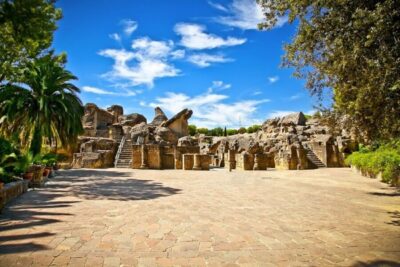 ★ 4.3Game of Thrones and Roman Empire Italica TourFrom $21372 reviews
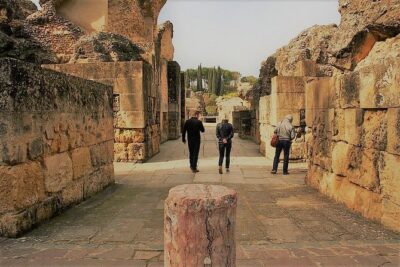 ★ 4.5Visit to Italica Roman Ruins Tour tickets includedFrom $19285 reviews
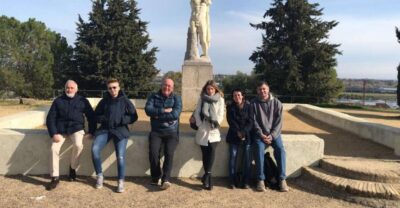 ★ 4.2Italica Roman Ruins City TourFrom $21147 reviews
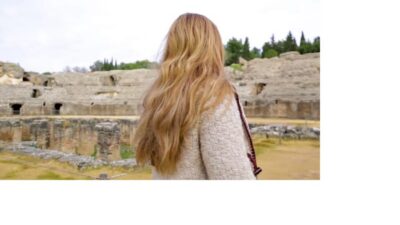 ★ 4.4Italica Roman City TourFrom $51139 reviews
 ★ 4.9Half-Day Guided Bike Trip to ItalicaFrom $53126 reviews
 ★ 5.0Private hald day tour to the historic roman city of ItalicaFrom $9343 reviews
Browse the lists this tour appears in