
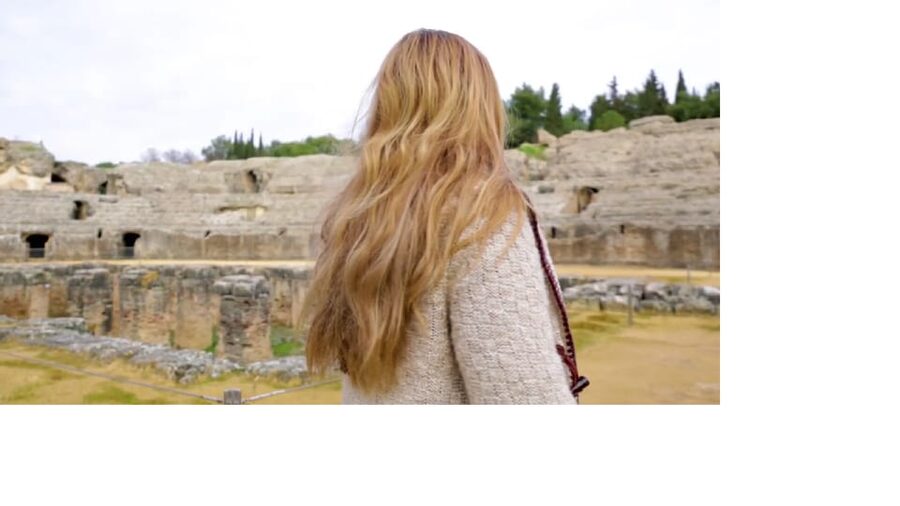
Review · ITáLICA ROMAN RUINS
From Seville: Italica Roman City Tour
Seville has glow, but Italica steals the show. In one smooth half-day, you’ll see why this was the first truly Roman city on Spanish soil, with the amphitheater and theater of Santiponce as your big set pieces. It’s the kind of stop that turns Roman ruins from flat stones into a real place with people and politics.
I especially like the way the walk is built around mosaic floors and key civic spaces like baths and the Traianeum, not just a quick peek. With guides such as Jose Luis and Jesus, the story lands fast, and the emperors you hear about (Trajan and Hadrian) stop feeling like trivia. The main drawback: it’s a guided, timed visit, so you don’t get much room for wandering slowly on your own.
You’re close enough to Seville that it feels like a day trip, not an ordeal, thanks to included round-trip transport and an official guide in Spanish or English.
In This Review
- Key highlights worth planning around
- Italica’s Roman power in a 4-hour day trip
- Getting from Seville: pickup points and the smooth coach ride
- Archaeological Ensemble: streets, houses, mosaics, and the Traianeum
- The Amphitheater of Italica: 25,000 seats and the tunnel experience
- Roman Theater at Santiponce: what you’ll see (and what’s missing)
- Public baths, statues, and emperors you can actually place
- Guides make it click: Jose Luis, Jesus, Alberto, and the difference in explanations
- Time pressure, group pacing, and what to pack
- Value check: why $51 can be a good deal (or not)
- Should you book the Italica Roman City Tour?
- FAQ
- How long is the Seville to Italica tour?
- What’s the price per person?
- What’s included in the tour price?
- Is the ticket line skipped?
- Where are the pickup locations in Seville?
- Where do you get dropped off?
- What language is the live guide available in?
- Is lunch included?
- Does the tour include anything besides Italica?
- Can the visit order change?
Key highlights worth planning around
- A 25,000-seat amphitheater tied to the third-largest scale in the Roman world
- Trajan and Hadrian’s birthplace link, plus the city founded in 206 BC by Scipio Africanus
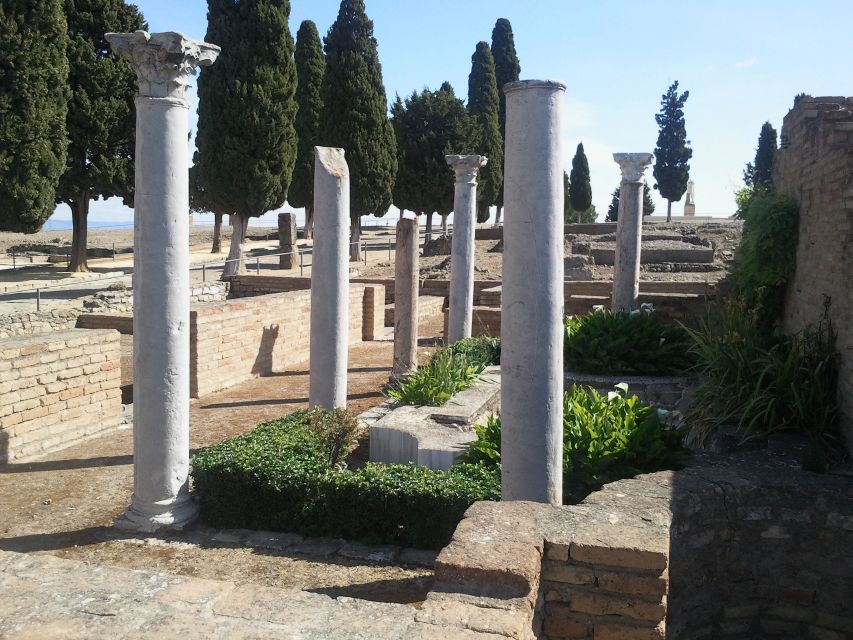
- Traianeum, mosaics, and public baths that show how daily Roman life worked
- Roman theater remains at Santiponce, including partially reconstructed sections you can actually read
- Guided commentary with names like Alberto and Miguel, which matters a lot at ruins
- A monastery stop can appear on the return leg, giving you a change of pace beyond Roman stone
Other Roman mornings out at Italica
- Historical Italica: Half-Day Guided Tour from Seville★ 4.5 · 416 reviews
- Seville: Game of Thrones and Roman Empire Italica Tour★ 4.3 · 372 reviews
- Visit to Italica Roman Ruins Tour tickets included★ 4.5 · 285 reviews
Italica’s Roman power in a 4-hour day trip
This tour is short by design, and that’s good news. Italica is big, and if you arrive without context you can easily miss what you’re looking at. The structure of the experience helps you move through the site in a logical way, then land on the biggest moments: the amphitheater and the theater.
Here’s what makes this place hit differently. Italica wasn’t just Roman influence in Spain. It was a full Roman city founded in 206 BC by Publius Cornelius Scipio Africanus. And two future emperors, Trajan and Hadrian, were born here. When your guide explains how that matters, the ruins start to feel like the early chapters of Roman power, not a random archaeological detour.
This is also a smart choice if you already love Seville’s layers (Islamic, Christian, and modern life) but want one clean contrast: Rome, straight and early.
Getting from Seville: pickup points and the smooth coach ride
The logistics are simple, and that’s part of the value. You’ll ride round-trip between central Seville and the ruins near Santiponce. The transfer time is about 30 minutes each way, and the overall experience is 4 hours.
You get three pickup options:
- 09:45 Calle Rastro 12A
- 09:50 Hotel Don Paco, Plaza Padre Jerónimo de Córdoba nº4
- 10:00 Calle Trajano 6
And you’re dropped back at one of those same central points.
Why this matters for your day: if you’re trying to do this alongside cathedral sights, palace visits, or just a relaxed Seville evening, a tight departure window keeps you from wasting time on taxis or bus schedules. It also means you can arrive at Italica with your brain already in tour mode.
Also, you can skip the ticket line, which helps on days when queues form.
Archaeological Ensemble: streets, houses, mosaics, and the Traianeum
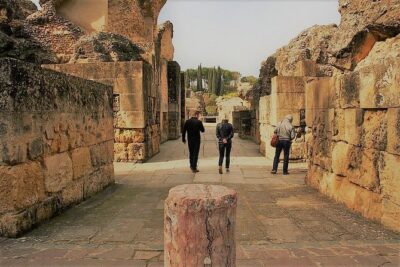
Once you’re at Italica, you don’t just “look at ruins.” You walk along old streets and through what’s been uncovered of houses and public spaces. This is where the guided part pays off.
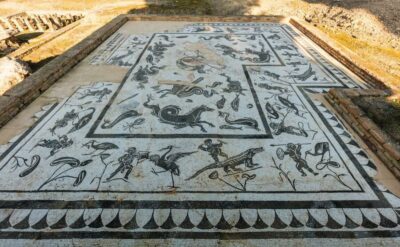
The best part for me is the focus on Roman domestic and civic life through objects you can actually see:
- Mosaic floors, often among the most striking surfaces in the site
- The Traianeum, which helps connect the city’s significance to imperial-era identity
- Statues tied to major figures, including Diana, Venus, and Trajan
- Public baths, which are a quick way to understand Roman routines beyond politics
These stops matter because they answer a question you might not think to ask: what did Romans do here day to day? A theater and amphitheater show spectacle. Baths and mosaics show comfort, status, and how people organized social life.
You’ll also notice how the ruins are arranged into a readable “ensemble.” Even when things are missing, the layout gives you clues. Your guide helps you connect those clues into a story that makes the site feel coherent.
Still deciding? A few more Seville picks worth a look.
The Amphitheater of Italica: 25,000 seats and the tunnel experience
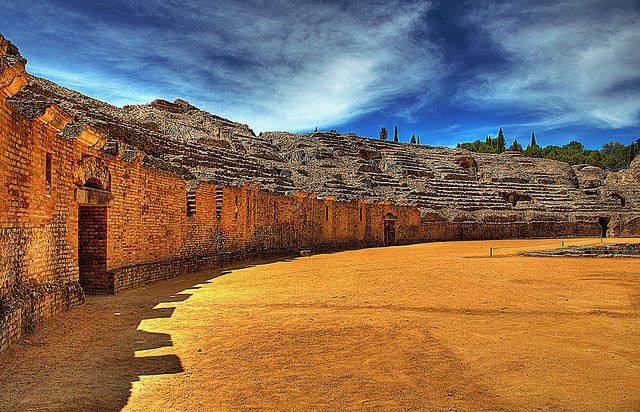
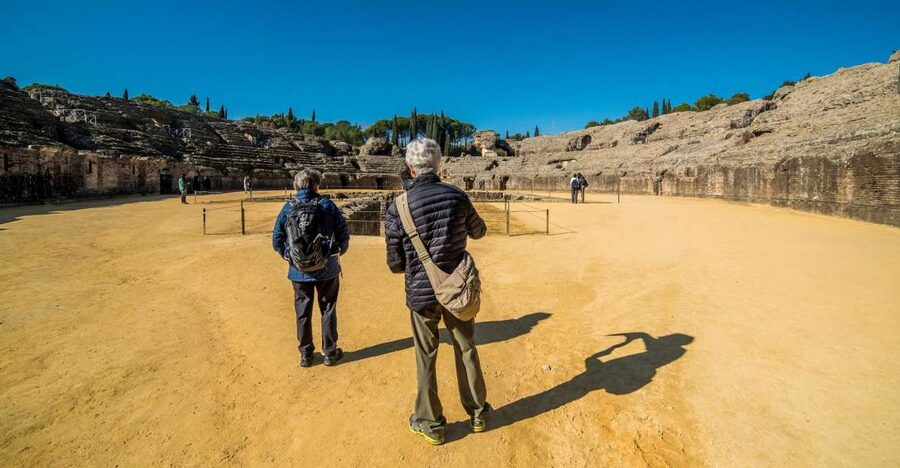
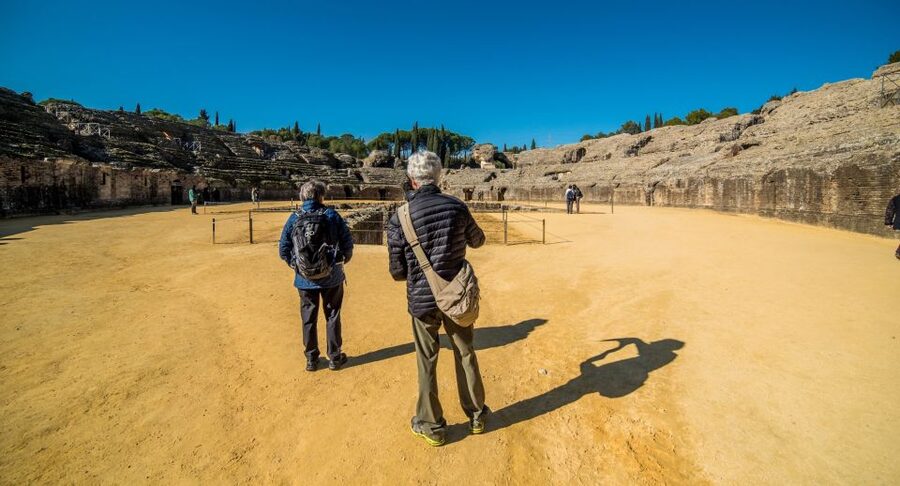
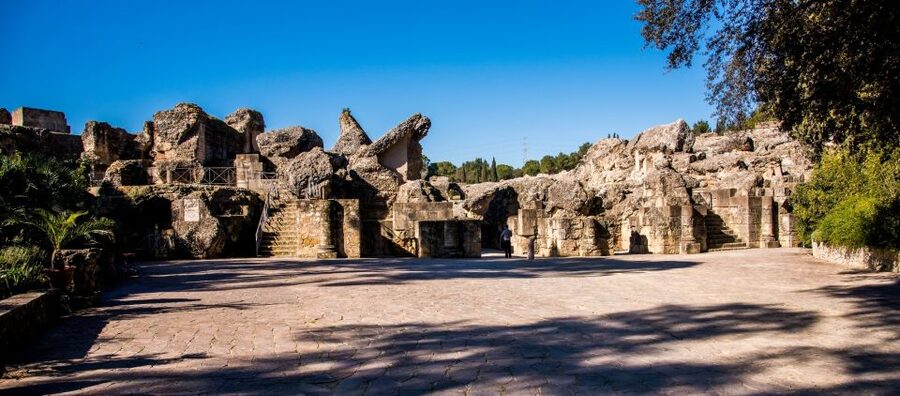
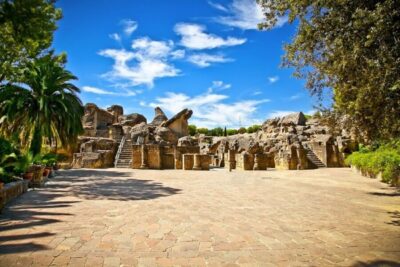
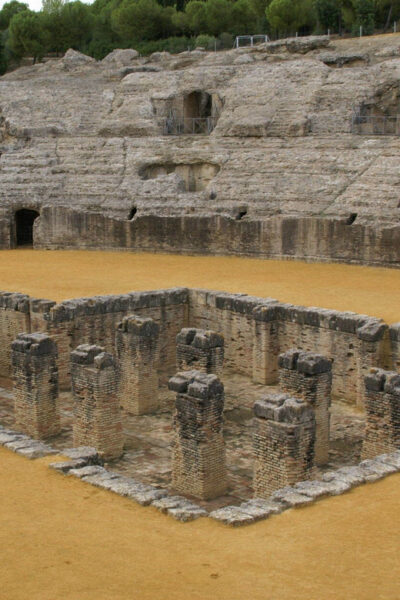
If amphitheaters are your thing, plan to pay attention here. This Italica Amphitheater is described as the third-largest in the Roman Empire, with a seating capacity of about 25,000. Scale like that changes how you interpret what you’re seeing. You stop thinking in “cool ruins” and start thinking in crowd control, sound, and performance.
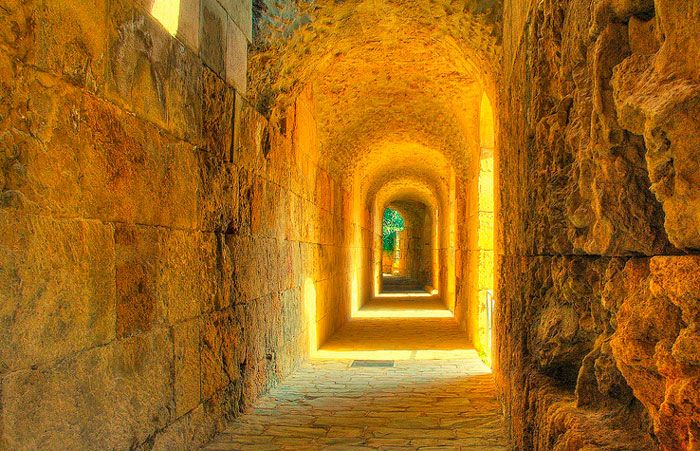
One of the most praised elements of the visit is the way the amphitheater feels like a real venue. Some guides point out access areas under and around the seating, including tunnels beneath the coliseum seating that let you experience it from a different angle than the usual viewpoint.
That perspective matters. Standing where spectators once sat is one thing. Walking through spaces that supported the action makes the whole place feel more physical.
Practical tip: bring a water bottle and take breaks when you need them. Ruins + sun + crowds of people walking in the same direction can tire you faster than you expect.
Roman Theater at Santiponce: what you’ll see (and what’s missing)
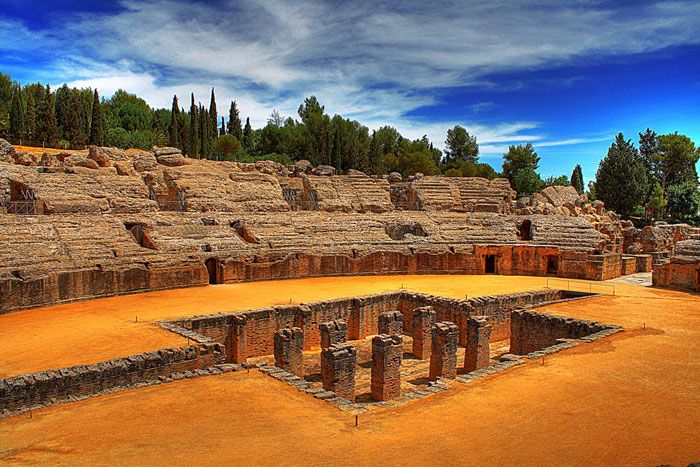
Next comes the Roman theater at Santiponce. Here, the big idea is “partially reconstructed.” That means you can see enough to understand the design, but not every element is preserved in full.
This stop is still worth it because a theater has a different Roman purpose than an amphitheater. It’s about performance, staging, and public entertainment with a more structured audience flow. Seeing it after the amphitheater helps your brain compare two kinds of Roman spectacle.
Also, the theater is often easier to visualize with a guide’s help. When you hear how the seating and stage area functioned, the open-air layout stops being confusing and starts making sense.
If you love architectural clues, you’ll likely enjoy the way your guide helps you “read” the space.
Public baths, statues, and emperors you can actually place
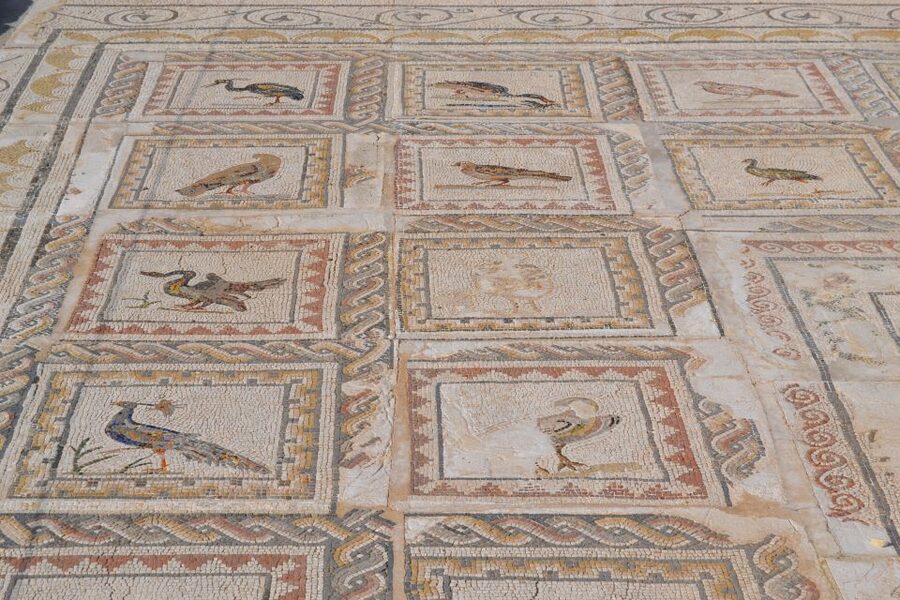
Between the major monuments, the tour gives you the stuff that makes Roman life feel specific rather than vague.
You’ll see:
- Public baths, which are key to understanding Roman culture as social practice
- Statues of Diana, Venus, and Trajan, which ground the site in religious and political symbolism
- The Traianeum, which helps connect the city’s identity to imperial power
And you’ll get the emperor thread directly: Italica is tied to Trajan and Hadrian. Even if you’ve heard their names before, hearing how they connect to this place makes those names stick.
That’s why this tour works even if you’re not a dedicated Roman nerd. It’s not only about dates and emperors. It’s about showing how power and everyday life shared the same physical spaces.
Guides make it click: Jose Luis, Jesus, Alberto, and the difference in explanations
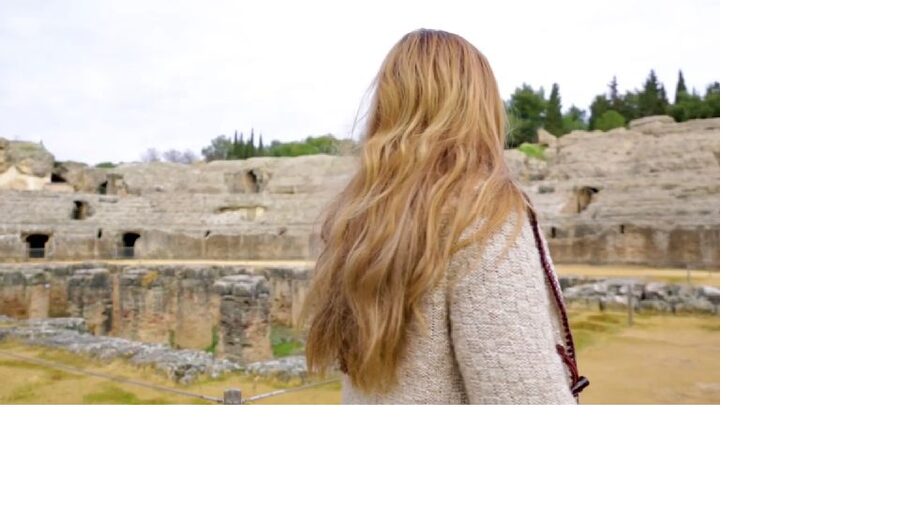
This tour lives or dies by the guide. And in this case, the guide quality shows up repeatedly.
When the guide is strong, you get:
- Clear explanations of what you’re looking at in real time
- Stories that give you mental pictures for mosaics, civic spaces, and the big arenas
- Answers to questions that come naturally when you’re standing in the actual venue
Names that came up in different groups include Jose Luis, Jesus, Alberto, Miguel, Nieves, Sergio, and Montse. The common thread is how they turn the site into something you can follow, not a list of ruins.
One caution: if your group is large, hearing can be harder at moments. If you want the best audio, try to position yourself where the guide’s voice carries, especially in busier areas.
Time pressure, group pacing, and what to pack
This is a guided, scheduled experience. You’ll spend about 3 hours on-site with the guide, plus travel time. That means you’ll see a lot, but you won’t have long free time to wander at your own pace.
So pack for a “ruins day”:
- Sun protection and water
- Comfortable walking shoes
- A hat, if you’re visiting when it’s bright
If you’re traveling with kids, one practical tip that came up: bringing a stroller can help, but you might not be able to use it everywhere for the full time. Plan to fold it or carry it in tighter or uneven stretches.
Also, the tour order can change if needed. That’s not a problem, but it does mean you shouldn’t count on every stop landing in the exact same sequence every day.
Value check: why $51 can be a good deal (or not)
At about $51 per person for 4 hours, the price makes sense mainly because of what’s included:
- Round-trip transportation from Seville
- Entrance fees
- An official tourist guide
- Skip-the-ticket-line access
If you were arranging this yourself—transport plus tickets plus time spent finding the right route—you’d likely lose the same amount of time your tour protects. For many people, that’s the real value: someone else organizes the day so you can focus on the site.
Where the value can feel weaker is if you’re the type who wants long independent wandering. Because it’s structured, you may feel you’d like more time to slow down in the mosaics or linger around certain areas.
Should you book the Italica Roman City Tour?
I’d book this tour if you want a clean Roman highlight from Seville without turning it into a logistics project. The combination of transport + entrance + live guiding makes it a strong value for a short, satisfying day trip.
I’d skip or reconsider if you know you dislike guided pacing and you prefer lots of unscripted time on your own. In that case, you might prefer a self-guided visit where you can stay longer in the exact spots that catch your eye.
If you do book, go in with one mindset: focus on understanding what you’re seeing. With a good guide, Italica stops being “impressive ruins” and becomes a Roman city you can picture in motion.
FAQ
How long is the Seville to Italica tour?
The total duration is about 4 hours, including round-trip bus time and a guided visit on site.
What’s the price per person?
The price is listed as $51 per person.
What’s included in the tour price?
Round-trip transportation between Seville and Italica, entrance fees to Italica, and an official tourist guide are included.
Is the ticket line skipped?
Yes. Skip-the-ticket-line access is included.
Where are the pickup locations in Seville?
Pickup options include Calle Rastro 12A (09:45), Hotel Don Paco (09:50), and Calle Trajano 6 (10:00).
Where do you get dropped off?
Drop-off is at the same three areas used for pickup: Calle Trajano 6, C. Rastro 12a, and Hotel Don Paco.
What language is the live guide available in?
The tour offers live guides in Spanish and English.
Is lunch included?
Lunch is not included, but an optional lunch is available for €18.
Does the tour include anything besides Italica?
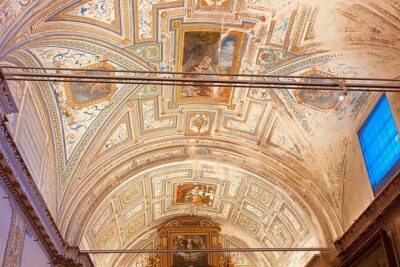
The main focus is Italica and the Roman theater and amphitheater. Some departures include an additional monastery visit on the return leg.
Can the visit order change?
Yes. The order of visits may change due to unexpected circumstances.
More Tours in Seville
- Seville: Alcázar, Cathedral & Giralda Skip-the-Line Tour
★ 4.8 · 11,525 reviews - Seville: Cathedral, Giralda & Alcazar Entry With Guided Tour
★ 4.6 · 8,560 reviews - Seville: Priority Access Cathedral, Giralda & Alcázar Tour
★ 4.8 · 7,563 reviews - Seville: Alcázar and Cathedral Entry Ticket and Guided Tour
★ 4.6 · 5,056 reviews - Seville: City Sightseeing Hop-On Hop-Off Bus Tour
★ 4.0 · 4,633 reviews
More Tour Reviews in Seville
- Seville: Live Flamenco Dancing Show Ticket at the Theater
★ 4.7 · 16,396 reviews - Seville: Alcázar, Cathedral & Giralda Skip-the-Line Tour
★ 4.8 · 11,525 reviews - Seville: 1-Hour Guadalquivir River Sightseeing Eco Cruise
★ 4.2 · 10,281 reviews - Seville: Setas de Sevilla Entry Ticket
★ 4.6 · 8,901 reviews - Seville: Cathedral, Giralda & Alcazar Entry With Guided Tour
★ 4.6 · 8,560 reviews
Roman Seville: More of Italica
- From Seville: Italica Roman City & Medieval Monastery Tour
★ 4.5 · 1,051 reviews - Historical Italica: Half-Day Guided Tour from Seville
★ 4.5 · 416 reviews - Seville: Game of Thrones and Roman Empire Italica Tour
★ 4.3 · 372 reviews - Visit to Italica Roman Ruins Tour tickets included
★ 4.5 · 285 reviews - Seville: Italica Roman Ruins City Tour
★ 4.2 · 147 reviews
Just added to the Seville list


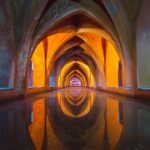

Itálica Roman Ruins, compared.
 ★ 4.5Italica Roman City & Medieval Monastery TourFrom $461,051 reviews
 ★ 4.5Historical Italica: Half-Day Guided Tour from SevilleFrom $47416 reviews
 ★ 4.3Game of Thrones and Roman Empire Italica TourFrom $21372 reviews
 ★ 4.5Visit to Italica Roman Ruins Tour tickets includedFrom $19285 reviews
 ★ 4.2Italica Roman Ruins City TourFrom $21147 reviews
 ★ 4.9Half-Day Guided Bike Trip to ItalicaFrom $53126 reviews
 ★ 5.0Private hald day tour to the historic roman city of ItalicaFrom $9343 reviews
 ★ 4.5Italica Roman City Tour from SevilleFrom $4640 reviews
Browse the lists this tour appears in