
Review · ITáLICA ROMAN RUINS
From Seville: Italica Roman City & Medieval Monastery Tour
Roman ruins and a monastery in one morning. This tour is interesting because you get the Italica amphitheater spectacle and the San Isidoro del Campo monastery architecture in a tight 4-hour format. I like that the ruins are guided (so you know what you’re looking at), and the monastery stop feels like a real detour into Andalusia’s layered past. The main drawback to plan for is that on-site facilities can be pretty basic, so don’t count on lots of extras during the short visit windows.
I also appreciate how smoothly it runs from Seville: you hop on a comfortable bus, get a focused guided walk at Italica, then head to the monastery with enough time to enjoy the atmosphere instead of sprinting. Guides like Petra, Miguel, Jesus, Carlos Leone (Carlos Leon), and Alberto show up in the mix and are consistently praised for turning stone and dates into stories you can actually picture.
In This Review
- Key highlights to watch for
- Why Italica Is One of Seville’s Smartest Roman Detours
- Getting There: The 20-Minute Bus Ride That Sets the Tone
- Italica in 105 Minutes: Amphitheater Energy and Mosaic Details
- The Dragonpit Connection: Game of Thrones Details at the Amphitheater
- The Monastery Stop: San Isidoro del Campo and Its Style Mix
- How the Guides Make a Big Difference
- Time Management Tips: Make Sure Hunger and Photo Stops Don’t Win
- Price and Value: Why $46 Can Be a Good Deal
- Who This Tour Fits Best
- Should You Book This Italica and Monastery Tour?
- FAQ
- What does the tour include?
- How long is the tour?
- Are there shared and private tour options?
- Is transportation from Seville included?
- Where do I meet the group?
- What languages are offered?
- Is pickup available for the private tour?
- Does the tour run year-round with flexible planning?
- What should I bring for the half-day?
Key highlights to watch for
- Birthplace of Trajan and Hadrian: Italica ties Roman power to real people, not just names on a plaque.
- Amphitheater scale: You’ll stand in the space tied to a Dragonpit-style moment from Game of Thrones.
- Time-efficient design: A guided 105 minutes at Italica plus a guided monastery stop keeps you moving without feeling rushed.
- Mudejar, Gothic, Baroque mix: San Isidoro del Campo shows how styles stacked in Spain over centuries.
- Switchable group experience: Shared group tour or private tour changes the pacing and attention you get.
- Seville-to-site transport included: You skip the headache of sorting your own bus or driver.
Other Roman mornings out at Italica
- Historical Italica: Half-Day Guided Tour from Seville★ 4.5 · 416 reviews
- Seville: Game of Thrones and Roman Empire Italica Tour★ 4.3 · 372 reviews
- Visit to Italica Roman Ruins Tour tickets included★ 4.5 · 285 reviews
Why Italica Is One of Seville’s Smartest Roman Detours
If you’re in Seville and craving Roman ruins, Italica is one of the easiest wins in the region. It’s close enough that you don’t lose half your day to transit, yet it still feels like you left the city behind. Founded in 206 BC, Italica was no minor outpost—it grew into an important Roman center, and it’s strongly tied to two emperors you’ve probably heard of in school and on plaques: Trajan and Hadrian.
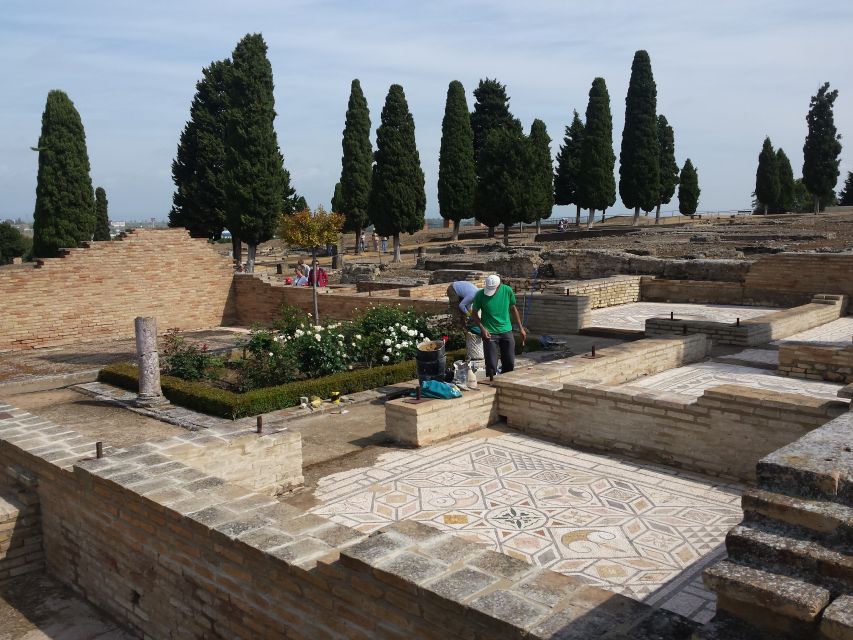
What makes Italica worth your time is the combination of scale and clarity. You’re not just walking past scattered stones. You’re seeing a functioning archaeological site with a guided path that points out the key structures—especially the amphitheater and the parts of the city where Roman life shows up in details like layouts and mosaics. I like that the tour doesn’t treat it like a museum stop where you stare at glass; it helps you connect the site to how people lived, performed, and gathered.
Then the itinerary adds a second layer: the monastery of San Isidoro del Campo. It’s not competing with the Roman stop—it reframes it. You’re basically going from an empire built on public spectacle to a medieval fortress-church with distinctive Spanish architectural styles (Mudejar, Gothic, and Baroque influences). That contrast is a big reason this half-day tour works so well for first-time visitors.
Getting There: The 20-Minute Bus Ride That Sets the Tone
The departure is simple: you start with pickup or a set meeting point in Seville (it varies by shared vs. private option). After that, you’re on the bus for about 20 minutes to reach Italica. This is enough time to settle in, grab water, and use the travel time to get oriented.
One detail worth knowing is that the group experience is designed to split by language once you arrive. That means the English, French, Italian, or Spanish guide stays with your group, so you’re not stuck half-following everything. If you booked a private tour, you get more direct control over your pacing and pickup logistics (pickup is optional in the private option, depending on where your accommodation sits).
Practically, I’d treat the bus ride as part of the experience, not just logistics. Guides tend to use that transition time to set expectations and explain what the site will look like, what the big features mean, and where you’ll be walking next. That matters because Italica can feel like a maze if you’re on your own.
Italica in 105 Minutes: Amphitheater Energy and Mosaic Details
Your main stop at Italica is a guided tour lasting about 105 minutes. That’s the right length for a site like this: long enough to cover the major highlights, but short enough that you’re not burned out while the light and energy still feel good.
Here’s what to focus on during the walk:
The amphitheater
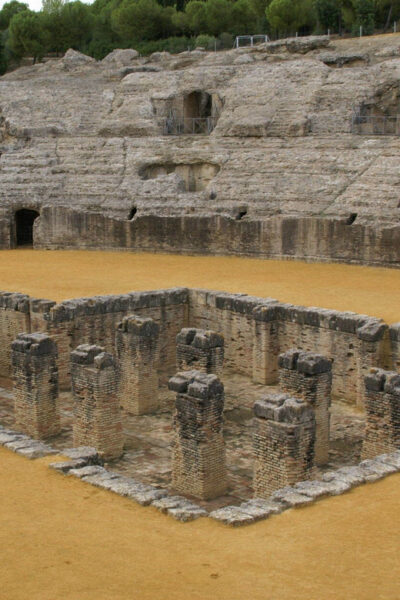
This is the headline structure. It once held up to around 25,000 people, and standing in it makes the Roman obsession with crowds and spectacle feel real. If you like architecture, pay attention to how the space is shaped and how the seating area relates to the stage area. It helps you understand why public shows mattered so much in Roman city life.
Underfoot and around the venue
The guided portion highlights underground passages used by gladiators, plus areas connected with combat-era staging—like the den where lions were held before events. Even if your visit doesn’t let you step into every behind-the-scenes space, hearing the explanation makes the amphitheater more than a big oval. It becomes a whole machine for entertainment.
Mosaics and the feel of a Roman city
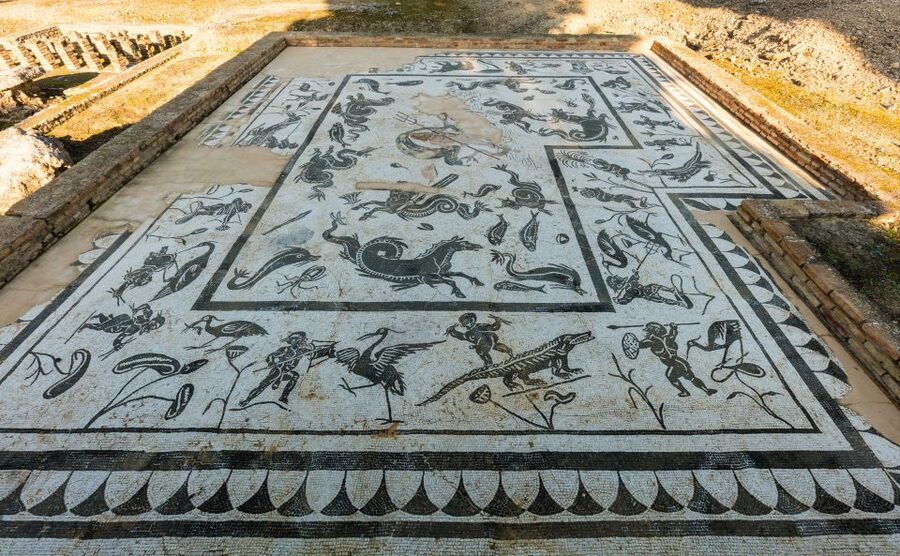
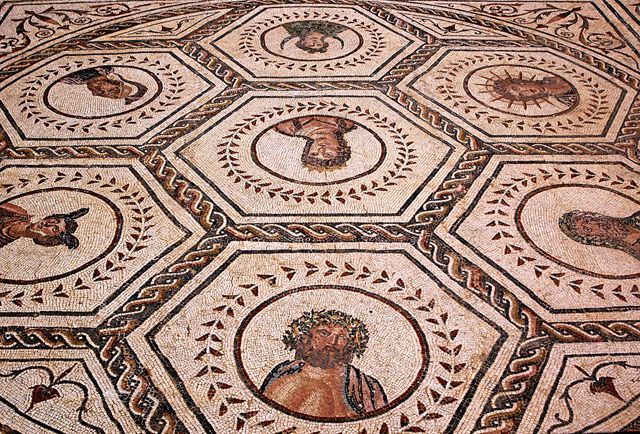
Italica is especially known for well-preserved mosaics, and that’s one of the best reasons to go with a guide. Without context, mosaics can look like pretty patterns. With the guide, you start seeing them as signs of wealth, daily routine, artistic style, and how Roman culture took root.
A common theme in the tour experience is pacing. The guiding approach tends to keep stops short and information flowing without turning it into a lecture you can’t pause. That makes it easier to actually look around, take photos, and keep moving through the site at a comfortable pace.
Still deciding? A few more Seville picks worth a look.
The Dragonpit Connection: Game of Thrones Details at the Amphitheater
If you’re a Game of Thrones fan, Italica’s amphitheater has extra gravity. The site was used as a filming location that inspired the Dragonpit setting for a key summit in season seven. Even if you don’t care about TV trivia, it’s a useful mental shortcut.
When you’re standing in the amphitheater, the guide’s job becomes matching two worlds: the Roman reality and the pop-culture image you might already have in your head. That’s actually helpful. It draws you toward the right angles for photos and helps you understand sightlines—where someone would stand, how the crowd would look, and why the space feels dramatic.
Just remember: you’re there for Roman history first. The Dragonpit connection is a bonus layer, not the core. Still, it’s a fun way to make the Roman structures stick in your memory.
The Monastery Stop: San Isidoro del Campo and Its Style Mix
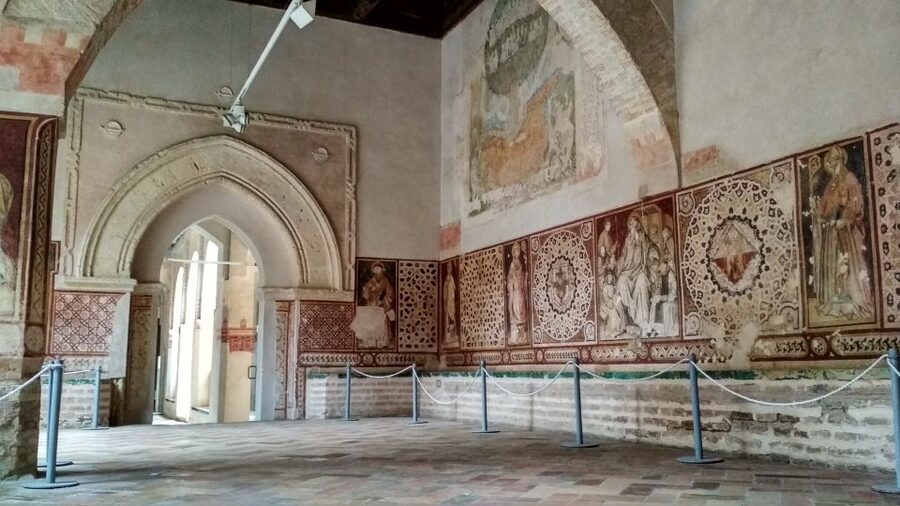
After Italica, you travel by bus for about 10 minutes to the monastery area, then you get a guided tour of San Isidoro del Campo for about 40 minutes. This is a shorter stop than the Roman site, but it’s designed to be the right length for a place that can feel like a maze of architecture.
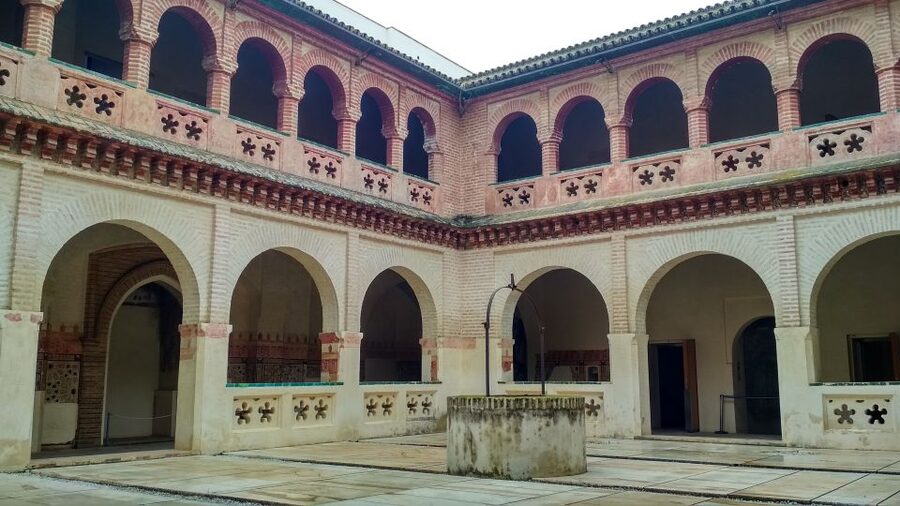
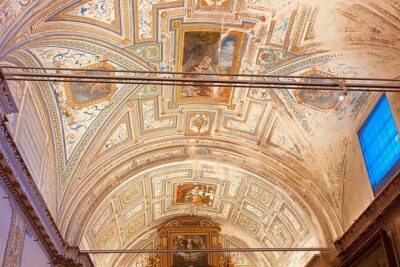
What makes the monastery special is the way it reflects Spanish religious and artistic history in layers. You’ll see a mix described as Mudejar, Gothic, and Baroque architecture. That blend matters because it tells you Spain’s story is not one single style or one single era. It’s what happened when different periods built on top of what came before.
If you’re the kind of visitor who likes to spot details, this is the moment. Look for contrasts: cleaner geometric shapes versus more ornate carving, and elements that feel distinctly different depending on the part of the complex you’re standing in. Even when only portions are open during your visit, you can still get a solid sense of how the monastery functioned and how it guarded and organized space.
Also, the monastery stop is often praised as a pleasant surprise because it doesn’t compete with Italica. It complements it. You finish the amphitheater feeling like you’ve seen a public stage, then you step into a complex built for devotion, power, and protection.
How the Guides Make a Big Difference
This is one of those tours where the guide changes the whole experience. In the seat next to you, you might get a storyteller like Petra, a history-and-art explainer like Miguel, or a fun, energetic guide like Jesus. Others that show up in the mix include Carlos Leone, Alberto, Roberto, Nacho, Unes, Emelio, Jose Luis, and Rebecca.
What repeatedly matters is not just facts—it’s how the tour turns facts into images you can carry home. A strong guide will:
- point out what to look at first (so you don’t miss the key features),
- connect the site to broader Roman life in Spain,
- add humor or quick scene-setting so you remember the chronology,
- keep the group moving at a pace that feels fair.
One practical tip: if you’re slower on your feet or you need extra time for photos, you’ll do best by saying something early. Several guides in this experience are described as paying attention so people can keep up comfortably. That small courtesy makes a half-day trip feel like it fits your rhythm instead of the other way around.
Time Management Tips: Make Sure Hunger and Photo Stops Don’t Win
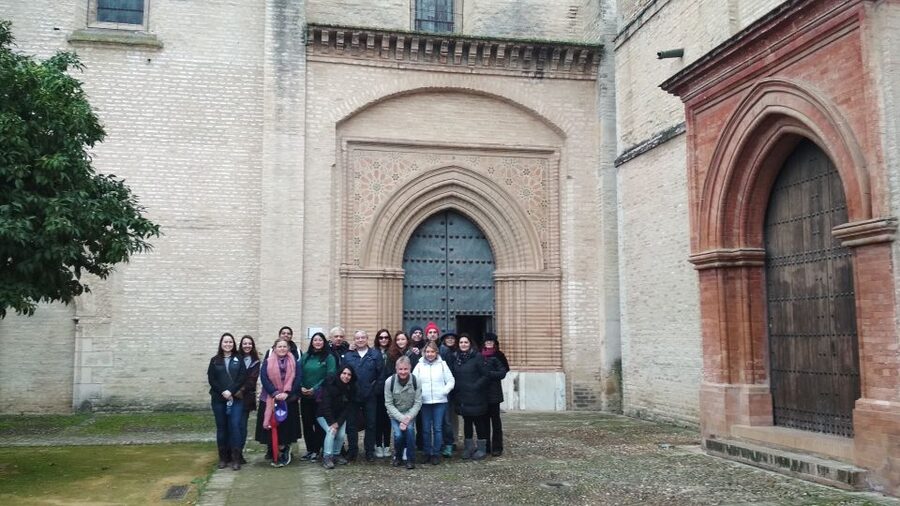
The tour is sold as 4 hours, but real life can stretch that timeline. Sometimes there are delays from traffic leaving Seville, and sometimes the schedule is adjusted so time isn’t cut—it’s added. You might also find that you want a bit more time at the amphitheater for photos at different levels, especially if you’re photographing like a hobbyist rather than a quick snapshot person.
Here’s my advice so the experience stays fun:
- Bring a small snack if you tend to get hungry in the afternoon. Food isn’t included, and the day can run late enough to catch you off guard.
- Leave a buffer after the tour if you have a reservation. If it runs slightly long, you’ll be glad you planned for wiggle room.
- If you’re relying on a GPS pin, double-check the meeting point details. Some people note that sat nav can steer you to the wrong spot, so it’s smart to confirm what you’re looking for before you show up.
Facilities on-site can be basic, and some stops involve walking outdoors. If you want to be comfortable, wear shoes that handle uneven ground and bring a hat if the weather is bright.
Price and Value: Why $46 Can Be a Good Deal
At about $46 per person, the value here comes from what you don’t have to organize yourself. You’re paying for:
- entry tickets,
- transportation from Seville,
- a local guide.
For a half-day, this is a pretty efficient package. If you tried to do Italica and San Isidoro del Campo on your own, you’d spend time figuring out buses or arranging a driver, and you’d still want a guide once you see how much the site depends on interpretation. The Roman ruins are impressive, but the real payoff is understanding what you’re looking at—especially for details like the amphitheater systems and the meanings behind architectural choices.
The other value point is language. The tour is offered in English, French, Italian, and Spanish, and shared tour groups can split by language once you arrive. If you book private, you also gain flexibility with pickup and pacing.
So is it worth it? For most people with limited time in Seville, yes—because it turns two major stops into one guided, transportation-included afternoon. It’s not a budget-only tour, but it’s not overpriced for what you get.
Who This Tour Fits Best
This tour is a great match if you want a half-day plan that feels like a real cultural switch. It suits:
- Roman history fans who want a serious site without a full-day commitment,
- Game of Thrones fans who want a tangible connection to filming locations,
- visitors who like architecture and want the monastery stop to mean something, not just be a quick add-on,
- first-time Seville travelers who don’t want to risk getting transit wrong.
It may be less ideal if you dislike group travel or you need lots of free time to wander without guidance. The schedule is structured: you’re guided at both Italica and the monastery, and you don’t get a huge independent block of time. Still, the pacing is generally described as well handled, and you’ll likely find plenty of moments to pause for photos and absorb what you’re seeing.
Should You Book This Italica and Monastery Tour?
Yes, you should book it if you want maximum impact in a short time. The combo of Italica’s amphitheater scale and San Isidoro del Campo’s architectural mix is a strong reason to go, especially when transportation and entry are included.
I’d particularly recommend it if:
- you want a guided approach so Italica’s details click,
- you’re traveling with mixed interests (Roman ruins plus monastery architecture),
- you’d rather spend your Seville time seeing sites than solving logistics.
Skip it (or consider a different format) if you need long, unstructured hours on your own at each site, or if you’re likely to get very hungry without food plans. For most people, though, this half-day tour is an efficient way to see two big Andalusian stories—Roman spectacle and medieval sacred power—without wasting your time.
FAQ
What does the tour include?
It includes entry tickets, transport from Seville, and a local guide. Food and drinks are not included.
How long is the tour?
The duration is 4 hours.
Are there shared and private tour options?
Yes. You can choose either a shared group tour or a private tour (or small groups, depending on the option booked).
Is transportation from Seville included?
Yes. Transport from Seville is included for both shared and private tour options.
Where do I meet the group?
The meeting point can vary depending on the option booked. For the shared tour there are three different meeting points in Seville, and for the private tour pickup can be arranged if your accommodation is within the pick-up area.
What languages are offered?
The live tour guide is available in English, French, Italian, and Spanish. A minimum number of participants speaking the same language is required to guarantee the tour in that language.
Is pickup available for the private tour?
Yes, hotel pick-up is available for the private tour option depending on your location in Seville. You’ll be asked to provide your accommodation name and address after booking.
Does the tour run year-round with flexible planning?
You can cancel up to 24 hours in advance for a full refund, and you can reserve now and pay later.
What should I bring for the half-day?
Since food and drinks aren’t included, it’s smart to bring water and consider a small snack, especially if you tend to get hungry during tours.
More Tours in Seville
- Seville: Alcázar, Cathedral & Giralda Skip-the-Line Tour
★ 4.8 · 11,525 reviews - Seville: Cathedral, Giralda & Alcazar Entry With Guided Tour
★ 4.6 · 8,560 reviews - Seville: Priority Access Cathedral, Giralda & Alcázar Tour
★ 4.8 · 7,563 reviews - Seville: Alcázar and Cathedral Entry Ticket and Guided Tour
★ 4.6 · 5,056 reviews - Seville: City Sightseeing Hop-On Hop-Off Bus Tour
★ 4.0 · 4,633 reviews
More Tour Reviews in Seville
- Seville: Live Flamenco Dancing Show Ticket at the Theater
★ 4.7 · 16,396 reviews - Seville: Alcázar, Cathedral & Giralda Skip-the-Line Tour
★ 4.8 · 11,525 reviews - Seville: 1-Hour Guadalquivir River Sightseeing Eco Cruise
★ 4.2 · 10,281 reviews - Seville: Setas de Sevilla Entry Ticket
★ 4.6 · 8,901 reviews - Seville: Cathedral, Giralda & Alcazar Entry With Guided Tour
★ 4.6 · 8,560 reviews
Roman Seville: More of Italica
- Historical Italica: Half-Day Guided Tour from Seville
★ 4.5 · 416 reviews - Seville: Game of Thrones and Roman Empire Italica Tour
★ 4.3 · 372 reviews - Visit to Italica Roman Ruins Tour tickets included
★ 4.5 · 285 reviews - Seville: Italica Roman Ruins City Tour
★ 4.2 · 147 reviews - From Seville: Italica Roman City Tour
★ 4.4 · 139 reviews
Just added to the Seville list


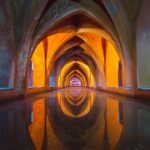

Itálica Roman Ruins, compared.
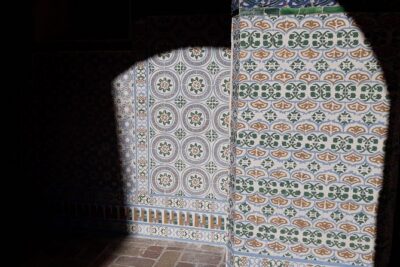 ★ 4.5Historical Italica: Half-Day Guided Tour from SevilleFrom $47416 reviews
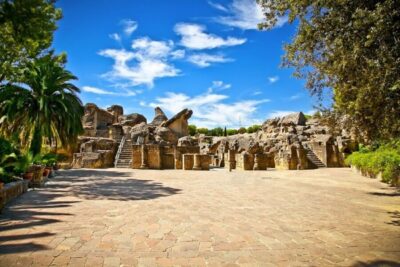 ★ 4.3Game of Thrones and Roman Empire Italica TourFrom $21372 reviews
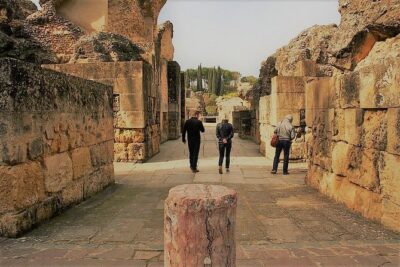 ★ 4.5Visit to Italica Roman Ruins Tour tickets includedFrom $19285 reviews
 ★ 4.2Italica Roman Ruins City TourFrom $21147 reviews
 ★ 4.4Italica Roman City TourFrom $51139 reviews
 ★ 4.9Half-Day Guided Bike Trip to ItalicaFrom $53126 reviews
 ★ 5.0Private hald day tour to the historic roman city of ItalicaFrom $9343 reviews
 ★ 5.0Private Theatrical Journey with Roman Emperor in ItalicaFrom $9540 reviews
Browse the lists this tour appears in