
Review · SEVILLE COOKING CLASSES
Traditional Spanish Cooking Class in Local Seville Home
Cooking in someone’s home changes your Seville trip. This traditional class drops you into a private Seville kitchen to prepare a three-course meal inspired by Spain’s central region, then you sit down together like family. You’ll also get real conversation with your English-speaking host, Annette, in a way no restaurant can fake.
I love that the focus is practical: you’re taught 2–3 dishes from family recipes using simple techniques and good ingredients, not a performance. I also like that you’re eating what you make right there, with light appetizers and Spanish wine to keep the evening relaxed and sociable.
One thing to consider: the home may have cats, and the cats can be put away if needed. If you have allergies, tell the organizer right away so everyone’s comfortable.
In This Review
- Key highlights at a glance
- Why a Seville home kitchen beats a restaurant meal
- Meet Annette (and Jose) in a real neighborhood
- How the class works: from simple prep to 2–3 central-region dishes
- The meal you make: appetizers, three courses, and Spanish wine
- Vegetarian needs and allergy notes: how to get the safest, best outcome
- Price and value: what $70 buys for 3.5 hours
- Meeting point and getting there: Calle Elche, 41013 Sevilla
- Small-group culture and why the chatting matters
- Who should book this cooking class?
- Should you book this cooking class?
- FAQ
- What kind of food will I cook in this Seville class?
- Is this experience private or shared with other groups?
- Does the class include alcohol?
- Is there a vegetarian option?
- How long is the class?
- Where do I meet the host?
- Is hotel pickup included?
Key highlights at a glance
- A private home class in Seville, with only your group participating
- Annette + Jose guiding you with English conversation and family-recipe know-how
- Hands-on cooking of 2–3 traditional dishes (menu can shift with season)
- A full meal setup: light appetizers, three courses, and 1–2 glasses of local alcohol
- Vegetarian option available, if you request it in advance
- No hotel pickup, so you’ll want to get to the meeting point on your own
More aprons-on hours in Seville kitchens
- Seville: Spanish Cooking Class with Dinner★ 4.9 · 900 reviews
- Spanish Cooking Class & Triana Market Tour in Sevilla★ 5.0 · 760 reviews
- Spanish Cooking Class and Dinner in Seville★ 5.0 · 261 reviews
Why a Seville home kitchen beats a restaurant meal
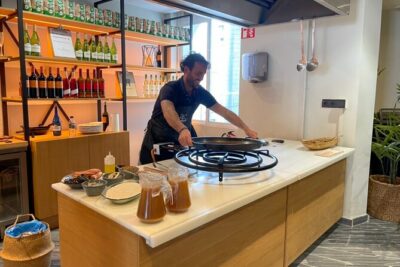
A cooking class can be “fun” and still feel like a set. This one feels like real life. The setting is a private home kitchen, not a demo station behind glass. You learn because you’re doing the work—chopping, mixing, tasting, and getting your questions answered as you go.
There’s also something about eating in a home that changes the tone. In restaurants, you’re a customer. Here, you’re part of the meal rhythm: appetizers appear, the kitchen noise fades, and everyone sits down together. That shared pace is where the cultural value really shows. You’re not just learning recipes. You’re seeing how Spaniards gather and talk while food is on the go.
And the food theme matters. Spain’s central region has a different personality than the coast: hearty comfort, good pantry staples, and techniques that don’t require fancy gear. Even when the exact menu changes by season, the cooking logic stays the same—simple steps done well.
Meet Annette (and Jose) in a real neighborhood
Your host is Annette, and the vibe is personal from the first moment. The class happens in her home, so you’re not routed through a scripted “tour.” Expect a warm welcome and conversation as you get oriented in the kitchen.
Jose is also part of the hosting team. In the small-group energy, it’s easier to ask questions and get answers that go beyond the recipe. One of the best parts is that the talk stays grounded: how people actually shop, what quality ingredients mean in daily cooking, and how regional food fits into Spanish routines.
A detail worth planning for: cats live in the home and may greet you first. If you’re sensitive, communicate that early. The good news is that the cats can be put away, but don’t wait until the day-of to mention allergies or sensitivities.
How the class works: from simple prep to 2–3 central-region dishes
The class is built around hands-on cooking. You’ll learn your way through a few traditional dishes from family recipes, usually 2–3 dishes depending on how the evening flows. Since the menu can vary by season, don’t expect the exact same plates every time. But do expect the same style: good ingredients, straightforward technique, and practical guidance you can repeat later.
Here’s what that means for you as a cook at home:
- You’ll focus on the steps, not just the final dish. That helps you understand why a sauce turns out right, or why timing matters.
- You’ll learn how central Spanish cooking relies on basics. Think quality staples and sensible methods rather than complicated tricks.
- You’ll get tips in the moment, when it matters most—when you’re standing there with the pot in front of you.
One small but important advantage of the “home kitchen” setup: it’s easier to ask for clarification. If something feels off—too thick, too salty, too dry—your host can adjust the moment. That’s harder to do in a classroom where everyone is facing a single lecturer setup.
If the menu includes meat dishes, pay attention to technique and seasoning. In past experiences in this format, lamb has been a standout, and it usually signals that the host is leaning into what their region does best.
Still deciding? A few more Seville picks worth a look.
The meal you make: appetizers, three courses, and Spanish wine
Cooking is only half the deal. The second half is the best kind of reward: you eat what you made, together.
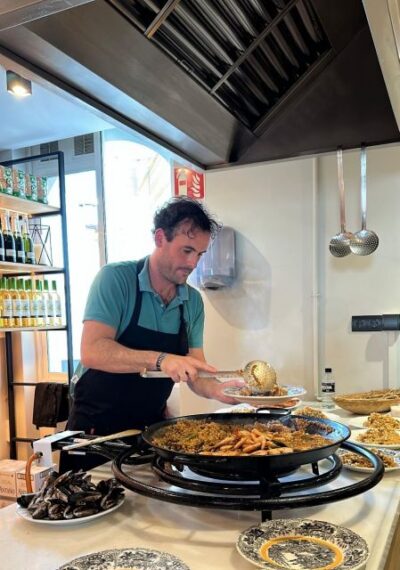
The evening includes light appetizers plus a three-course homemade meal. You’ll also have 1–2 glasses of local alcohol with dinner. The wine (or the pairing style) is part of the social flow, not an afterthought. It helps keep the atmosphere easy as you move from kitchen tasks to the dining table.
Because dishes can change with season, the smartest way to think about this is structure:
- You start with simple bites while you finish the final cooking steps.
- Then you transition into the courses you prepared.
- You eat slowly enough to talk, not rush through dinner like a train schedule.
What’s valuable here is the home-style pacing. Spanish meals often feel like they have their own tempo, and you’ll feel that tempo in how the courses land. You’ll also see how hosts manage timing—how they keep several parts moving without losing control of the final texture and temperature.
Vegetarian needs and allergy notes: how to get the safest, best outcome
This class can accommodate a vegetarian option if you request it at booking. Allergies and dietary restrictions are also something you should flag ahead of time so the host can plan accordingly.
Here’s the practical approach:
- If you’re vegetarian, say it when you book so they can adjust the menu rather than improvising late.
- If you have allergies, include specifics. The home kitchen may include ingredients you wouldn’t expect, and the cats are a separate concern.
- If you have a preference (less spice, no pork, etc.), communicate it early so the plan matches your comfort level.
This is one of those experiences where advance communication directly improves the evening. A good cook can’t fix a surprise limitation once the menu is underway.
Price and value: what $70 buys for 3.5 hours
At about $70, you’re paying for more than instruction. You’re paying for:
- a private home setting (not a public venue),
- a host-led cooking lesson,
- a full meal you cook and eat,
- and Spanish wine plus light appetizers.
Duration matters here. Roughly 3 hours 30 minutes is enough time to learn without feeling rushed, then sit down and actually enjoy what you made. In a lot of “quick” food experiences, you taste and move on. This format gives you time to cook, talk, and eat as part of the same evening.
Is it cheaper than dinner plus a cooking workshop? Maybe not. But value is about what you leave with. I’d measure this experience by how many cooking lessons you can repeat at home. When you learn technique from a real person, you’re buying a skill, not a souvenir.
And there’s another value factor: your group is private. Only your group participates, so you’re less likely to feel like you’re squeezed into a big crowd.
Meeting point and getting there: Calle Elche, 41013 Sevilla
There’s no hotel pickup, so plan to arrive at the meeting point on your own. The start location is Calle Elche, 41013 Sevilla, Spain. The activity ends back at the meeting point, so you’re not stranded halfway across town.
Because it’s a home-based experience, arrive a little early. Apartment and street entry can take time, and you’ll want to settle in before cooking starts. Also, since this is a neighborhood location, wear practical shoes. You’re going to be standing and moving around in a kitchen setting.
If you’re coming from a central sightseeing area, this is usually doable by foot or short local transit—just give yourself a buffer.
Small-group culture and why the chatting matters
A big part of why this works is the conversation. Your host, Annette, is English-speaking and approachable, and you’ll likely spend time chatting about everyday life in Spain while you cook.
That matters because cooking is cultural. When someone explains why they choose certain ingredients, or how people cook at home in their region, you get context. You stop seeing food as a list of dishes and start seeing it as habit and identity.
And the host personality comes through. Annette has a strong connection to Seville culture, including flamenco interests, and that energy often turns into lively conversation. Even if you only catch a bit of it, it’s a reminder that this meal isn’t just culinary—it’s social.
Who should book this cooking class?
This is a great fit if you want:
- a local home experience over a touristy food stop,
- hands-on cooking without needing special skill,
- a meal that includes wine and real table conversation,
- a slower, more personal evening in Seville.
It’s especially good for first-timers who feel like they’ve seen the big sights but want a deeper slice of daily life. It’s also a good choice for couples or small groups who prefer a private setup instead of being mixed into a larger crowd.
If you’re traveling with kids, this one can work, but only if everyone in your party can handle a home environment and active kitchen time. If anyone has food allergies or sensitivities, make sure you communicate those details at booking and consider the cat factor too.
Should you book this cooking class?
Book it if you want to trade restaurant dining for a hands-on evening with people, not just plates. The combination of private home access, an English-speaking host, a three-course meal you help make, and wine is a strong value package for about $70.
Skip or reconsider if you:
- need a strict no-pet environment (cats live in the home),
- rely on hotel pickup and hate finding meeting points on your own,
- only want a quick tasting experience rather than a real cooking session.
If you’re the type who likes learning how food works—technique, timing, and ingredient choice—this is the kind of night that sticks with you. You’ll leave with recipes in your head and a better sense of what Spanish central-region cooking is really about.
FAQ
What kind of food will I cook in this Seville class?
You’ll cook traditional Spanish dishes from Spain’s central region. The class teaches 2–3 dishes from family recipes, and the specific menu may vary depending on the season.
Is this experience private or shared with other groups?
It’s private. Only your group participates in the cooking class and meal.
Does the class include alcohol?
Yes. The experience includes local alcohol, typically 1–2 glasses.
Is there a vegetarian option?
Yes. A vegetarian option is available, and you should request it at booking.
How long is the class?
The duration is about 3 hours 30 minutes.
Where do I meet the host?
The meeting point is Calle Elche, 41013 Sevilla, Spain. The activity ends back at the meeting point.
Is hotel pickup included?
No. Hotel pickup and drop-off are not included, so you’ll need to get yourself to the meeting point.
More Cooking Classes in Seville
- Seville: Spanish Cooking Class with Dinner
★ 4.9 · 900 reviews - Spanish Cooking Class & Triana Market Tour in Sevilla
★ 5.0 · 760 reviews - Seville: 3.5-Hour Spanish Cooking Class & Triana Market Tour
★ 4.9 · 751 reviews - Spanish Cooking Class and Dinner in Seville
★ 5.0 · 261 reviews - Sevilla: Rooftop Paella Cooking Class & 30-minute expert Q&A
★ 5.0 · 198 reviews
More Tour Reviews in Seville
- Seville: Live Flamenco Dancing Show Ticket at the Theater
★ 4.7 · 16,396 reviews - Seville: Alcázar, Cathedral & Giralda Skip-the-Line Tour
★ 4.8 · 11,525 reviews - Seville: 1-Hour Guadalquivir River Sightseeing Eco Cruise
★ 4.2 · 10,281 reviews - Seville: Setas de Sevilla Entry Ticket
★ 4.6 · 8,901 reviews - Seville: Cathedral, Giralda & Alcazar Entry With Guided Tour
★ 4.6 · 8,560 reviews
Learn Another Andalusian Dish
- Seville: Spanish Cooking Class with Dinner
★ 4.9 · 900 reviews - Spanish Cooking Class & Triana Market Tour in Sevilla
★ 5.0 · 760 reviews - Seville: 3.5-Hour Spanish Cooking Class & Triana Market Tour
★ 4.9 · 751 reviews - Spanish Cooking Class and Dinner in Seville
★ 5.0 · 261 reviews - Sevilla: Rooftop Paella Cooking Class & 30-minute expert Q&A
★ 5.0 · 198 reviews
Just added to the Seville list






Seville Cooking Classes, compared.
 ★ 4.9Spanish Cooking Class with DinnerFrom $82900 reviews
 ★ 5.0Spanish Cooking Class & Triana Market Tour in SevillaFrom $90760 reviews
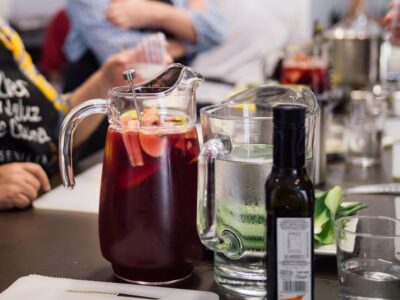 ★ 4.93.5-Hour Spanish Cooking Class & Triana Market TourFrom $88751 reviews
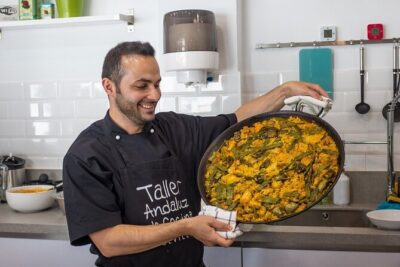 ★ 5.0Spanish Cooking Class and Dinner in SevilleFrom $84261 reviews
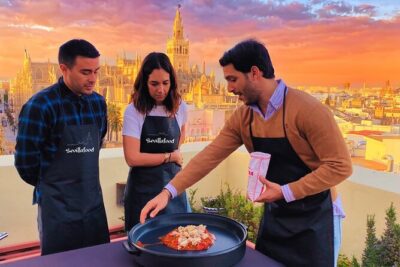 ★ 5.0Rooftop Paella Cooking Class & 30-minute expert Q&AFrom $214198 reviews
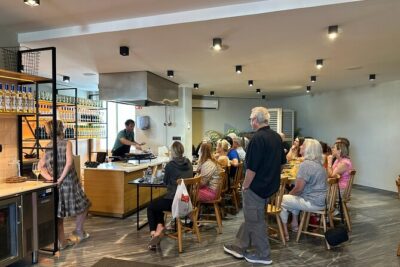 ★ 4.7Paella Showcooking ExperienceFrom $41161 reviews
★ 4.5Paella Showcooking ExperienceFrom $42141 reviews
★ 4.7Paella Showcooking ExperienceFrom $41161 reviews
★ 4.5Paella Showcooking ExperienceFrom $42141 reviews
 ★ 4.5Sangria Tasting & Paella Showcooking ExperienceFrom $64117 reviews
Browse the lists this tour appears in