
Review · BARRIO SANTA CRUZ & JEWISH QUARTER
Tour Seville Complete and Jewish Quarter Santa Cruz
Seville gets personal on this walk. You get big landmark hits plus street-level stories in the Santa Cruz Jewish Quarter. I especially like how the guide turns quick stops into clear scenes you can picture later. One thing to keep in mind: it’s a lot packed into about two hours, so you’ll be moving and photographing more than sitting.
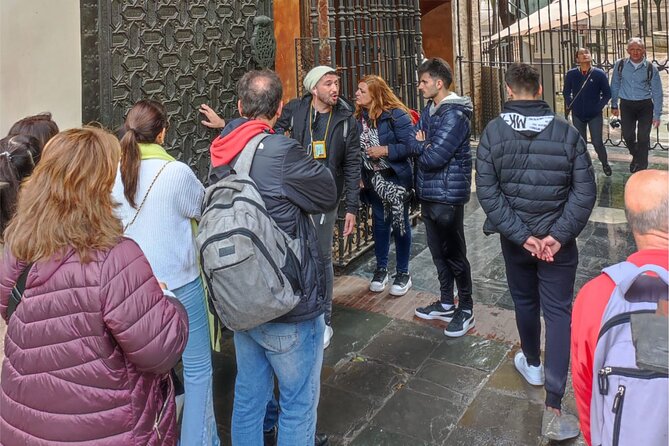
The pace works well if you want orientation on your first days. The best part is the storytelling quality—guides like José, Alejandro, and Ricardo were praised for staying patient, explaining clearly, and keeping even tricky history easy to follow. If you’re the type who wants slow time inside buildings for hours, you may find the format a bit short.
In This Review
- Key takeaways: what makes this tour worth your time
- Where to start: Plaza de San Francisco to Torre del Oro
- Price and what you’re really paying for
- Old Seville on foot: City Hall area, Placentines, and quick photo wins
- Cathedral and Giralda viewpoints: Virgen de los Reyes to Giraldillo
- Santa Cruz in story form: Santa Marta, Alianza fountain, Doña Elvira, Susona, and Vida
- Royal Alcázar zone and Puerta del León: Patio de Banderas and symbolic Seville
- Indies Archive and Torre Abdel Aziz: when photos turn into clues
- Arenal Quarter corners: Postigo del Aceite and Plaza del Cabildo
- Guadalquivir viewpoint, Puente de Triana, and the river walk logic
- Torre del Oro finish: a classic ending with one last meaning
- What to watch for during the walk (so you get more from each stop)
- Should you book this Seville Complete and Jewish Quarter Santa Cruz tour?
- FAQ
- How long is the Seville Complete and Jewish Quarter Santa Cruz tour?
- Where does the tour start and end?
- Is the ticket mobile?
- How much does it cost?
- Is the group size small?
- Are any entrance tickets included?
- Can I cancel for a full refund?
- Are service animals allowed?
Key takeaways: what makes this tour worth your time
- Santa Cruz stories that go beyond the postcard: legends, superstition, and Jewish Quarter details you won’t guess on your own.
- Cathedral and Giralda viewpoint coaching: the guide helps you line up photos and understand what you’re actually seeing.
- Triana and Guadalquivir views with context: the river crossing gets more interesting once you know the setting.
- A guide who explains through scenes: praised for clear, patient delivery and lots of “how did this happen?” moments.
- Value for money on a tight timeline: major sights across the historic center for one price, with some admissions not included.
- Small-group feel: up to 30 people, which keeps the experience from feeling like a mass shuffle.
Deeper into the lanes of Santa Cruz
- Seville: Small-Group Jewish Quarter Discovery Walking Tour★ 4.9 · 499 reviews
- VIP Guided Seville Alcazar Pre-Opening, Cathedral & Old Town★ 5.0 · 191 reviews
- Santa Cruz Jewish Quarter Guided Tour in Seville★ 4.0 · 144 reviews
Where to start: Plaza de San Francisco to Torre del Oro
This tour begins at Plaza de San Francisco, 17 in the Casco Antiguo, and it ends at Torre del Oro near the P.º de Cristóbal Colón. That “start in the middle, finish on the river” route is practical: you end where the views open up and you get an easy “now I get Seville” feeling.
It’s listed at about 2 hours total. That matters because the stops are short and frequent. You’ll cover a lot of ground—good shoes help, and I’d plan your schedule so this isn’t squeezed between long museum visits.
Price and what you’re really paying for
The price is $11.86 per person, which is unusually budget-friendly for a route that touches major headline sites: Seville’s historic center, the Cathedral/Giralda area, the Santa Cruz (Judería) neighborhood, the Alcázar zone, and finally Triana and the river.
The honest trade-off: some entries are not included. The tour marks a few stops as Admission Ticket Not Included (like Palacio Arzobispal, Puerta del León, Archivo General de Indias, Torre Abdel Aziz, and Torre del Oro). It also marks two entries as included (Arco del Postigo del Aceite and Plaza del Cabildo). So you’re paying mainly for the guided route and access where it’s explicitly included, not for full museum spending everywhere.
If you want a bargain that helps you understand what you’re seeing, this fits. If you want every building ticket bundled, you’ll need to check what’s listed as included versus not included before you go.
Old Seville on foot: City Hall area, Placentines, and quick photo wins
Stop 1 is Plaza de San Francisco, where Seville splits between the old commercial streets (think Calle Sierpes) and the more monumental side. The guide connects the location to a local story tied to Seville City Hall, and it’s a good first moment because it gives you a simple map in your head.
Stop 2 takes you through Placentines. This is where the tour leans into drama: you’ll hear the story about the collapse of the Giralda and get pointed toward a strong photo moment. The value here is not the photo itself—it’s learning why that view works and what to watch for in the angles.
At this stage, you’re building context fast. That’s what makes the rest of the walk click later.

Cathedral and Giralda viewpoints: Virgen de los Reyes to Giraldillo
Stop 3 is Plaza de la Virgen de los Reyes, the Cathedral/Giralda complex area you can’t really skip in Seville. The tour focuses on how the Cathedral and Giralda are tied together in history and construction, not just what you see from the outside. If you’ve ever stared up at a landmark and felt you were missing the “why,” this part addresses that.
Stop 15 is Giralldillo, and this one is all about perspective. You’re told to watch out for the way views can trick you—meaning you’ll get tips on where to stand so the picture looks like the city “as you understand it,” not just like a random skyline shot.
Stop 14, Monumento a la Inmaculada Concepcion, is a thematic pivot. Here the guide ties Seville’s crossroads role to artists, Baroque style, and even a story about the first marketing campaign in history being linked to the setting. I like this type of stop because it prevents the tour from feeling like a checklist.
Santa Cruz in story form: Santa Marta, Alianza fountain, Doña Elvira, Susona, and Vida
This is the heart of the experience.
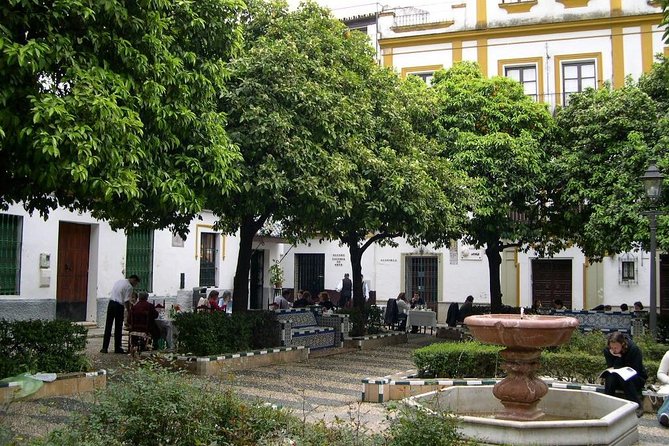
Stop 5 is Plaza de Santa Marta, a hidden-square moment where the focus becomes the story of the largest Jewish community in the city. The tour doesn’t treat it as a “past lives here” label—it gives you details that make the neighborhood feel lived-in and human.
Stop 6 brings you to the Fuente de la Plaza de la Alianza in the old Jewish Quarter. The guide frames it as a place shaped by many villages passing through, tied to Seville’s three-culture history. This kind of explanation helps you see why details like fountains, street corners, and named squares matter.
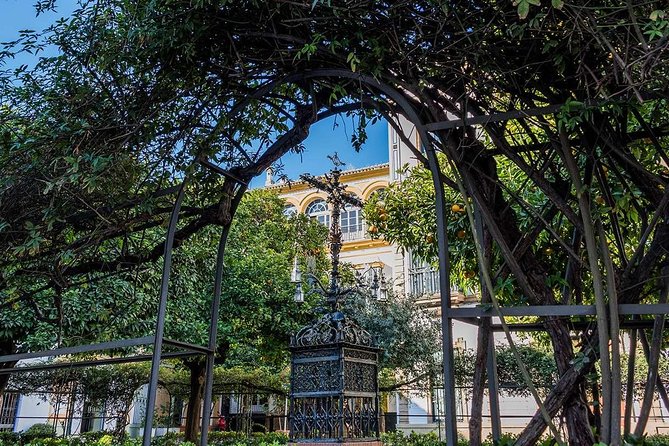
Stop 7 is Plaza de Doña Elvira, a classic “wait, this is the good corner” stop for photographs. But the bigger point is that you also hear about minorities who lived here and some curious superstitions tied to the neighborhood. If you like Seville as a mix of architecture and folklore, this part clicks.
Stop 8 is Calle Susona, described as the neighborhood’s big legend. You’re guided to use your senses—so you’re not just reciting facts, you’re learning how to read a street like it’s part of a story. Stop 9, Calle Vida, is where you get the playful twist: Seville has a street of life and also a street of death—and the tour sets you up to understand which vibe you’re crossing into.
Stop 10 is Judería, the Santa Cruz zone itself. You’ll leave this section with a stronger mental map of how the neighborhood’s colors, smells, and “everyday life” contrasts work—so your later wandering doesn’t feel random.
Royal Alcázar zone and Puerta del León: Patio de Banderas and symbolic Seville
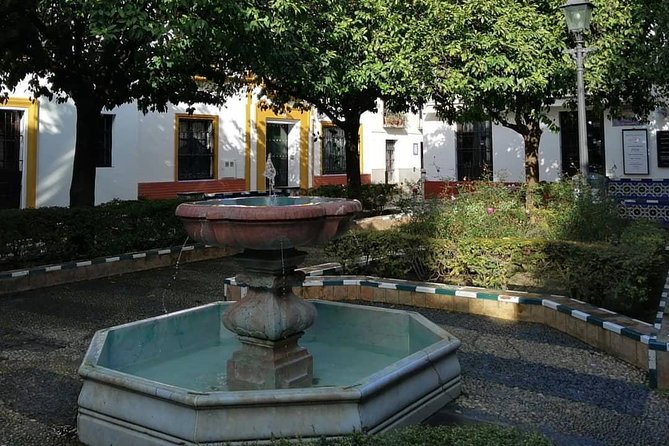
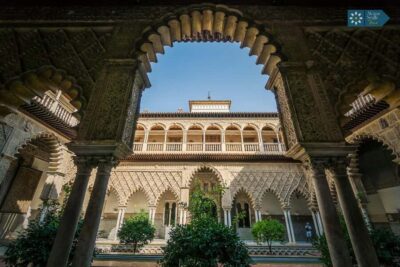
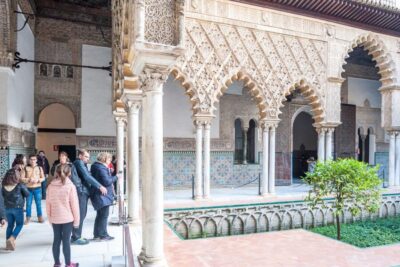
Stop 11 is Plaza Patio de Banderas, which sets foot into the Royal Alcázar zone in the way the walk unfolds. This is a great stop if you want to understand succession—who came after whom and what they left behind. You don’t need long entry time to get something out of it, because the guide’s role is interpretation.
Stop 12 is Puerta del Leon, and it’s presented as a lesson in symbology: defense, heraldry, customs, and the different kings who passed through and stayed. This is one of those moments where a gate stops being just a gate. You’ll start seeing it as a historical communication tool.
Stop 4 is Palacio Arzobispal. It’s listed as Admission Ticket Not Included, but it’s still explained from outside: the tour calls attention to the Archbishopric’s “horror vacui” (the idea of empty space feeling unacceptable), and it links the setting to how power and roles changed within its community. Even if you don’t enter, it’s useful for understanding Seville’s authority layers.
Indies Archive and Torre Abdel Aziz: when photos turn into clues
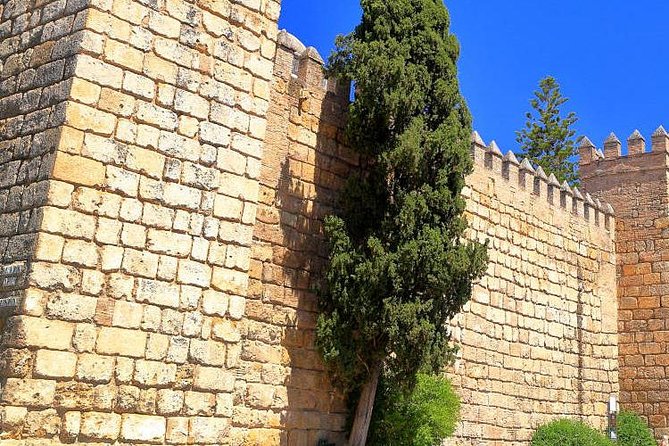
Stop 13 is Archivo General de Indias, marked Admission Ticket Not Included. The tour frames it as a place that even today carries an almost pirate-like aura in the stories attached to it—because of what is kept and protected there. If you’ve ever wondered why Seville matters beyond Spain’s map, this stop helps.
Stop 16 is Torre Abdel Aziz, also Admission Ticket Not Included. This is a “how to see” stop. The guide points out photo places and then explains how to interpret the greatness of the towers and walls. It’s a strong moment for people who love architecture but don’t always know what features to look for first.
Arenal Quarter corners: Postigo del Aceite and Plaza del Cabildo
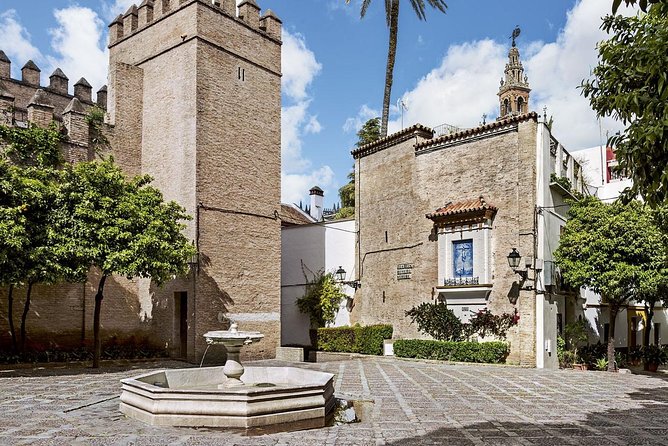
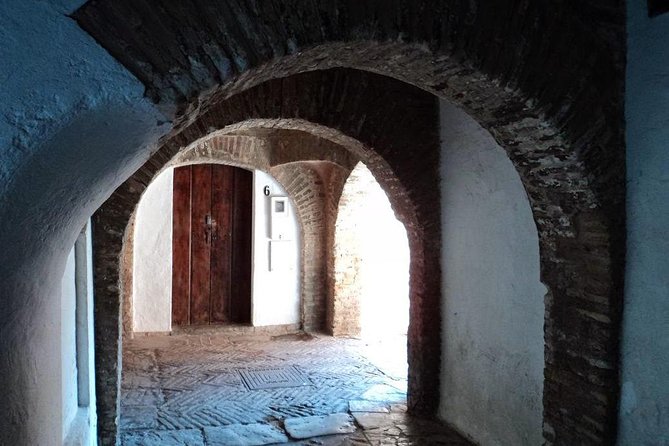
Stop 17 is Arco del Postigo del Aceite, and this is one of the moments with Admission Ticket Included. This is where the tour leans into atmosphere: lanes and arches that feel like story settings, tied to events that bring good and bad moments back to life in the guide’s narration.
Stop 18 is Plaza Del Cabildo, marked Admission Ticket Included. This square is presented as a key “if you skip it, you leave half your understanding behind” kind of place. The tour helps you see how it was lived in and why it holds weight in the city’s flow. In practice, it also works as a mental reset point: you’ve been moving through complex zones, and now you’re given a grounded view of civic life.
Stop 19 is Mercado Artesania El Postigo. It’s not about shopping in a pushy way; the point is that the market area is framed as a mix of what different villages contributed after settling in the space. It’s a good stop if you want a bit of texture at the end of a history-heavy stretch.
Guadalquivir viewpoint, Puente de Triana, and the river walk logic
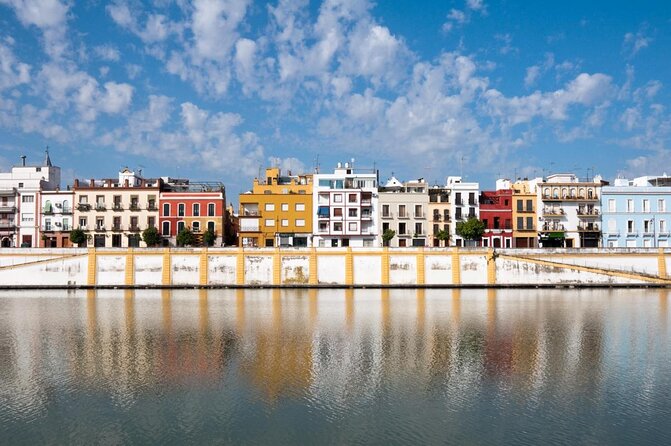
Stop 20 is the Río Guadalquivir viewpoint. The tour doesn’t just promise breathtaking scenery—it teaches how to see Seville and Triana in relation to each other. That’s the key here: once you understand the river’s role and how the city’s parts face each other, you’ll get more out of photos later.
Stop 21 is Puente de Isabel II (Puente de Triana). You get time for photos, plus comparisons and “occurrence” stories tied to the characters who crossed. This makes the bridge feel like a connector with a past, not just a photo station.
By now, you’ve moved from Gothic and Baroque symbolism, into neighborhood legend, into civic and commercial side streets. Ending with river and bridge is smart because your brain needs a wide view after dense history.
Torre del Oro finish: a classic ending with one last meaning
Stop 22 is Torre del Oro, the Gold Tower finish point. It’s listed as Admission Ticket Not Included, but the point of arriving here at the end is that the whole route makes more sense once you reach the river landmark. The tour treats it like the final click: understanding comes together when you see the tower in context.
I like tours like this that end where you can keep the conversation going on your own. After Torre del Oro, it’s easy to continue walking along the waterfront and connect what you learned with what you’re seeing.
What to watch for during the walk (so you get more from each stop)
Because this tour is short and packed, your results depend on how you prepare.
- Bring comfortable shoes. You’ll do lots of short moves between squares and streets.
- Plan photos, not photo obsession. The guide’s photo cues matter most when you follow where they point.
- If Santa Cruz is your priority, don’t skip the pauses. That’s where the legends and superstitions do the heavy lifting.
- Keep an eye on what’s labeled as not included. If you want to enter Archivo General de Indias or Torre del Oro, you’ll likely need separate plans.
Should you book this Seville Complete and Jewish Quarter Santa Cruz tour?
I’d book it if you want an efficient first-pass Seville understanding: Cathedral/Giralda context, Santa Cruz/Judería storytelling, Alcázar symbolism, and Triana river views—all in about two hours. The price is also strong for what you get, especially if you’re the kind of traveler who loves the “why” behind street names and monuments.
Skip or adjust your expectations if you’re aiming for deep time inside every major site, because several stops are marked Admission Ticket Not Included and the tour format is designed for interpretation over long entry visits.
If you’re going to Seville once and want the highlights plus the neighborhood lore, this tour is a solid bet.
FAQ
How long is the Seville Complete and Jewish Quarter Santa Cruz tour?
It lasts about 2 hours.
Where does the tour start and end?
It starts at Plaza de San Francisco, 17, Casco Antiguo, 41004 Sevilla and ends at Torre del Oro, P.º de Cristóbal Colón, s/n, Casco Antiguo, 41001 Sevilla.
Is the ticket mobile?
Yes, it’s listed as a mobile ticket.
How much does it cost?
The price is $11.86 per person.
Is the group size small?
The tour has a maximum of 30 travelers.
Are any entrance tickets included?
Some stops are marked Admission Ticket Included (Arco del Postigo del Aceite and Plaza Del Cabildo). Others are marked Admission Ticket Not Included (like Palacio Arzobispal, Puerta del Leon, Archivo General de Indias, Torre Abdel Aziz, and Torre del Oro).
Can I cancel for a full refund?
Yes. You can cancel up to 24 hours in advance for a full refund.
Are service animals allowed?
Yes, service animals are allowed.
More Tours in Seville
- Seville: Alcázar, Cathedral & Giralda Skip-the-Line Tour
★ 4.8 · 11,525 reviews - Seville: Cathedral, Giralda & Alcazar Entry With Guided Tour
★ 4.6 · 8,560 reviews - Seville: Priority Access Cathedral, Giralda & Alcázar Tour
★ 4.8 · 7,563 reviews - Seville: Alcázar and Cathedral Entry Ticket and Guided Tour
★ 4.6 · 5,056 reviews - Seville: City Sightseeing Hop-On Hop-Off Bus Tour
★ 4.0 · 4,633 reviews
More Tour Reviews in Seville
- Seville: Live Flamenco Dancing Show Ticket at the Theater
★ 4.7 · 16,396 reviews - Seville: Alcázar, Cathedral & Giralda Skip-the-Line Tour
★ 4.8 · 11,525 reviews - Seville: 1-Hour Guadalquivir River Sightseeing Eco Cruise
★ 4.2 · 10,281 reviews - Seville: Setas de Sevilla Entry Ticket
★ 4.6 · 8,901 reviews - Seville: Cathedral, Giralda & Alcazar Entry With Guided Tour
★ 4.6 · 8,560 reviews
Further Into Santa Cruz
- Seville: Small-Group Jewish Quarter Discovery Walking Tour
★ 4.9 · 499 reviews - VIP Guided Seville Alcazar Pre-Opening, Cathedral & Old Town
★ 5.0 · 191 reviews - Santa Cruz Jewish Quarter Guided Tour in Seville
★ 4.0 · 144 reviews - Seville: 1-Hour Walking Tour Barrio de Santa Cruz
★ 4.5 · 131 reviews - Private Tour Jewish Quarter, center and Plaza de España
★ 5.0 · 127 reviews
Just added to the Seville list


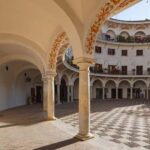
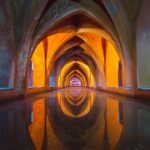

Barrio Santa Cruz & Jewish Quarter, compared.
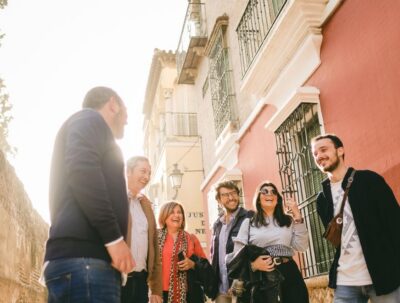 ★ 4.9Small-Group Jewish Quarter Discovery Walking TourFrom $29499 reviews
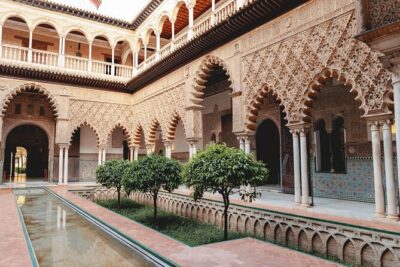 ★ 5.0VIP Guided Seville Alcazar Pre-Opening, Cathedral & Old TownFrom $138191 reviews
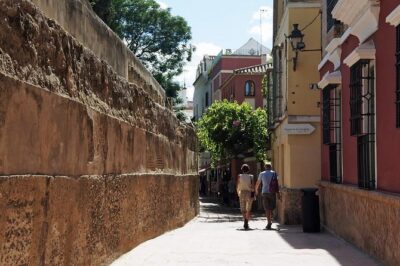 ★ 4.0Santa Cruz Jewish Quarter Guided Tour in SevilleFrom $24144 reviews
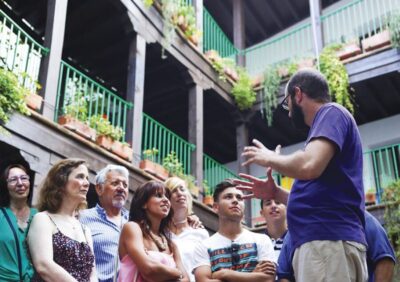 ★ 4.51-Hour Walking Tour Barrio de Santa CruzFrom $18131 reviews
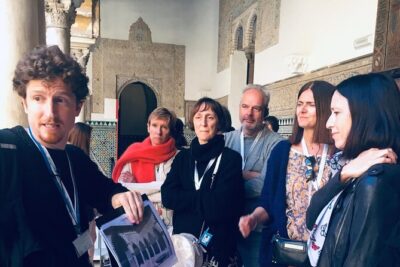 ★ 5.0Private Tour Jewish Quarter, center and Plaza de EspañaFrom $189127 reviews
 ★ 5.0Small Group Jewish Quarter Tour with Tapas & DrinksFrom $59119 reviews
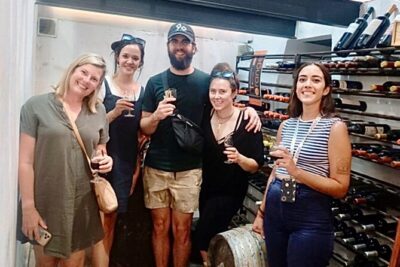 ★ 5.0Seville Jewish Quarter Small Group Tour with Tapas and DrinksFrom $71110 reviews
 ★ 5.0Seville Former Jewish Quarter Walking Tour: Santa CruzFrom $18105 reviews
Browse the lists this tour appears in