
Review · CASA DE PILATOS & SEVILLIAN PALACES
Seville: Salvador Church, Casa Pilatos, and Metropol Tour
Seville hides an art timeline in plain sight. This guided walk strings together Mudejar, Renaissance, and later styles in real locations, with three big stops: Church El Salvador, Casa Pilatos, and a final look at the Metropol area and Las Setas. If you like seeing how one era hands off to the next, this route makes the city readable.
I love the way you get both religion and everyday Seville. Church El Salvador shows sculptures tied to Holy Week processions, and Casa Pilatos leans hard into its famous tile work and the mix of Mudejar design with Italian Renaissance influence. The pacing also gives you time to absorb an active neighborhood rather than just stare at walls.
One consideration: it’s a 2.5-hour walking tour and it isn’t suitable for people with mobility impairments. Comfortable shoes matter.
In This Review
- Key things to know before you go
- A 2.5-hour walking route that makes Seville’s styles make sense
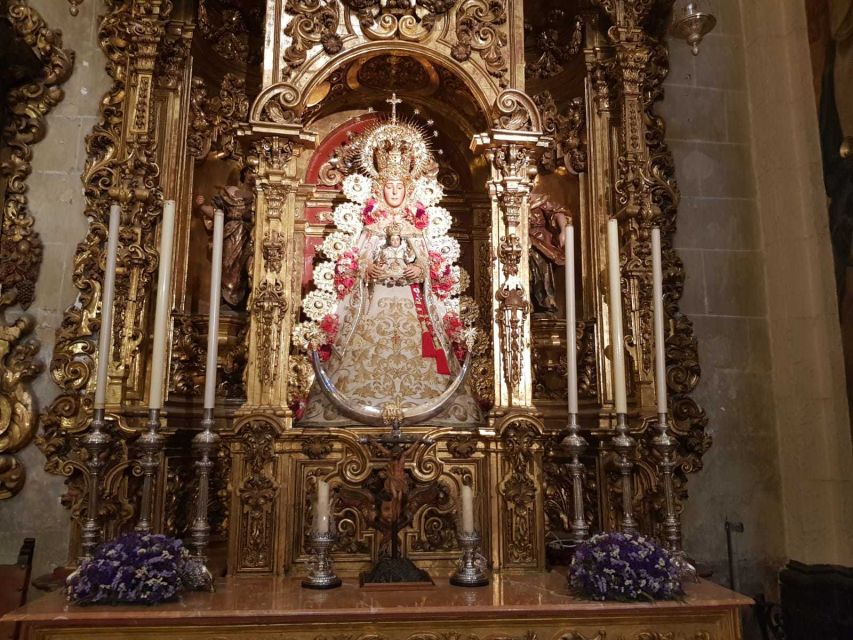
- Church El Salvador: the former mosque and the Holy Week sculptures
- Walking through the Arabic Seville heart: street life and event outfits
- Casa Pilatos: the Mudejar palace with Italian Renaissance influence (and top-tier tiles)
- How the guide ties Renaissance, Baroque, and contemporary architecture together
- Finishing near Metropol and Las Setas: the mushrooms at street level
- Price and value: what you get for about $46
- Who should book this Seville tour (and who should skip it)
- Should you book: Salvador Church, Casa Pilatos, and Metropol tour?
- FAQ
- How long is the Seville tour?
- What stops are included?
- Is entry to Metropol included?
- Is Casa Pilatos entry limited?
- Are tickets included for the main sights?
- What languages is the tour offered in?
- Do I need to bring anything?
- Is the tour suitable for people with mobility impairments?
Key things to know before you go
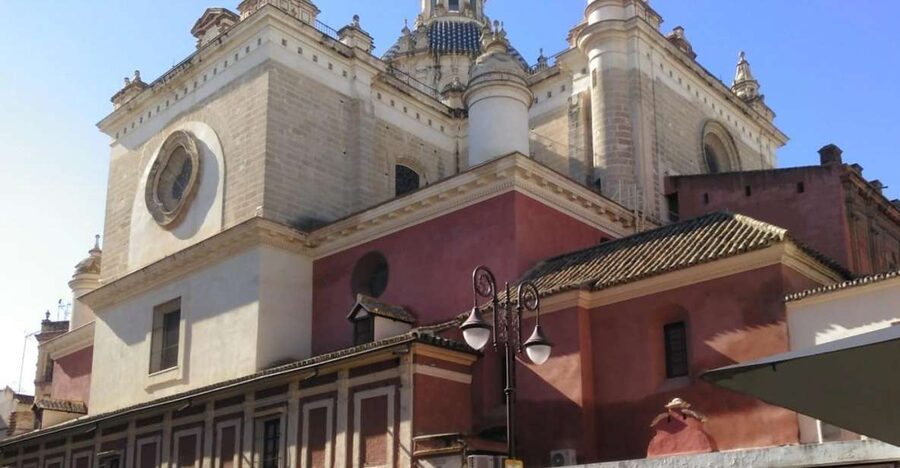
- Holy Week sculptures at Church El Salvador in a building that once served as a mosque
- Casa Pilatos tiles plus a clear explanation of Mudejar and Italian Renaissance influences
- Arabic Seville street life where you can shop for outfits tied to April Fair and Rocio events
- Art-style evolution from Mudejar to Renaissance, Baroque, Regionalist, and contemporary architecture
- Las Setas (the mushrooms) from the Metropol building entrance at the end of the tour
More time up on the Setas walkways
- Seville: Flamenco Show Ticket at Tablao Flamenco Las Setas★ 4.8 · 2,214 reviews
- Espectáculo Flamenco Tablao “Las Setas”★ 5.0 · 59 reviews
- Seville: Salvador Church, Casa Pilatos, and Metropol Tour★ 4.8 · 20 reviews
A 2.5-hour walking route that makes Seville’s styles make sense
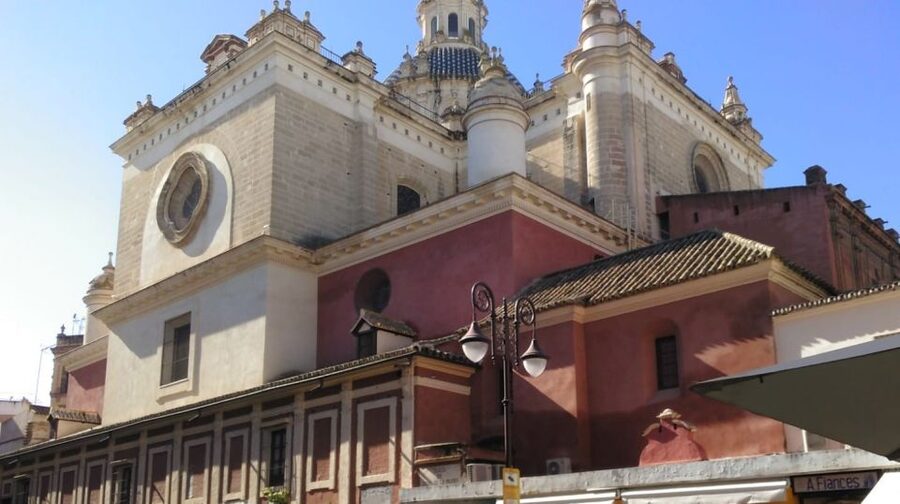
This tour is built around one smart idea: you don’t just get monument photos. You learn how Seville’s look changed over time, right where you can point and say, that’s the style shift.
The whole experience is about 2.5 hours, and it’s a walking tour. That means you’ll see more than interiors and plaques. You’ll also get the context of street-level Seville, including a lively area that once formed the heart of Arabic Seville.
The guide does most of the heavy lifting. You’ll get an explanation of the artistic progression from Mudejar through later periods such as Renaissance and Baroque, and then onward to Regionalist and contemporary work. The monuments you focus on are Salvador Church and Pilatos House, with the last stop landing near the Metropol building and Las Setas.
Church El Salvador: the former mosque and the Holy Week sculptures
Church El Salvador is the kind of place that rewards slow looking. The big reason is simple: you’re stepping into a building with an earlier life. It began as a mosque, and that older architecture still shapes what you see inside.
Inside, you’ll encounter displays tied to Holy Week processions, including some of the sculptures associated with those events. If you’ve only seen Seville’s processions as street spectacle, this stop adds the behind-the-scenes perspective: why certain artworks matter, and how religious art connects to the city’s calendar.
A practical upside: this is one of your two guaranteed entries, and it’s included. You also skip the ticket line, which helps if you’re trying to fit sights into a tight day.
What to watch for while you’re there:
- Look for how the space feels “built for worship,” not just decorated for visitors.
- Pay attention to how older structural elements and later religious additions coexist.
- Use the guide’s framing so the sculptures don’t feel like random exhibits.
If you’re the type who likes to understand why something looks the way it does, this church is the first strong anchor of the tour.
Walking through the Arabic Seville heart: street life and event outfits
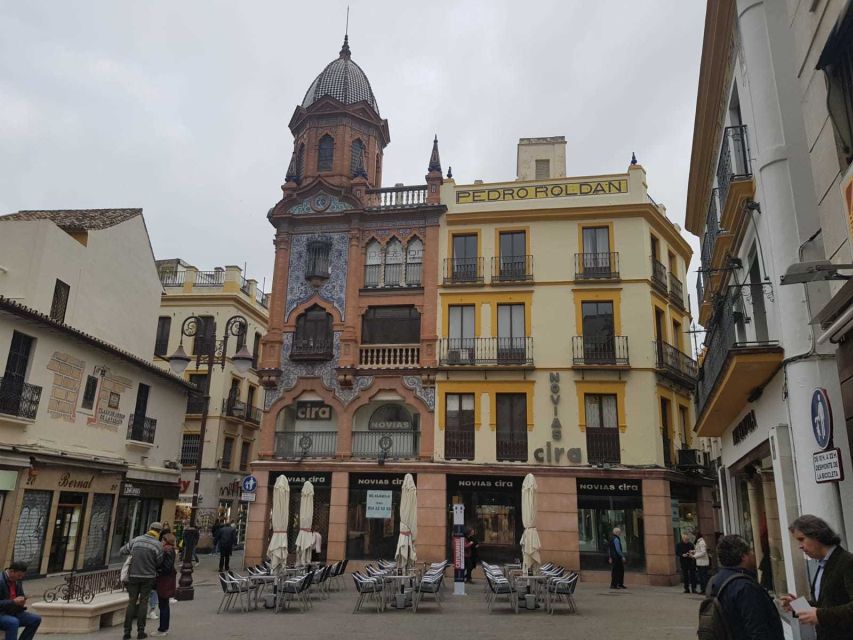
After Church El Salvador, the walk shifts you into the kind of Seville you’ll remember long after the monuments. The tour takes you through an area that was once the heart of an Arabic city, where commerce and daily life still shape the street.
This isn’t a “quiet historic lane” moment. It’s more like: Seville is still Seville. Shops, signs, and people make the past feel less museum-like.
One fun, useful detail: the guide points out where to buy outfits connected to major local events like the April Fair and the Rocío Pilgrimage, and also social gatherings year-round. Even if you’re not shopping, it helps you understand what locals care about visually and culturally.
If you’re planning your trip around spring festivals, this neighborhood context can also help you time what you want to do and where you’ll actually find the items.
Other palace courtyards worth stepping into
Casa Pilatos: the Mudejar palace with Italian Renaissance influence (and top-tier tiles)
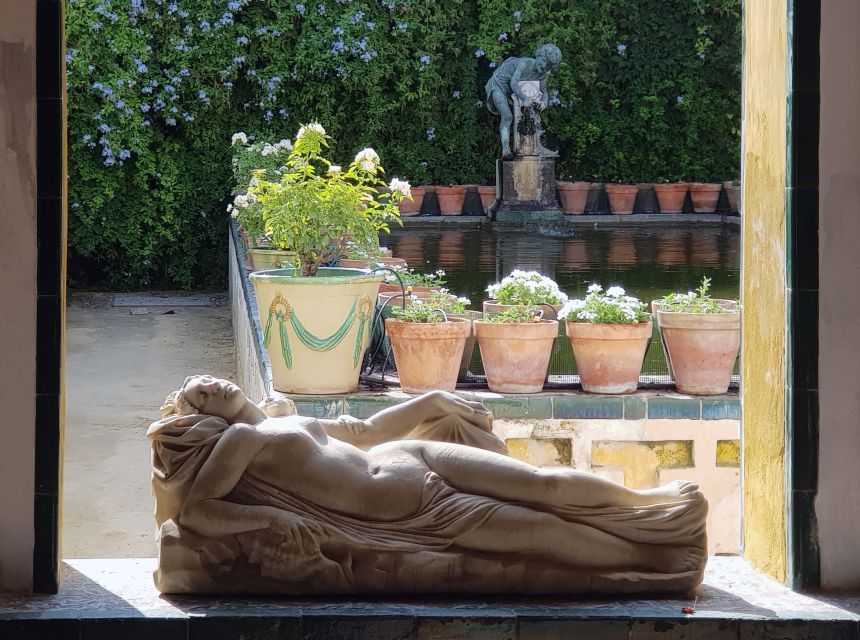
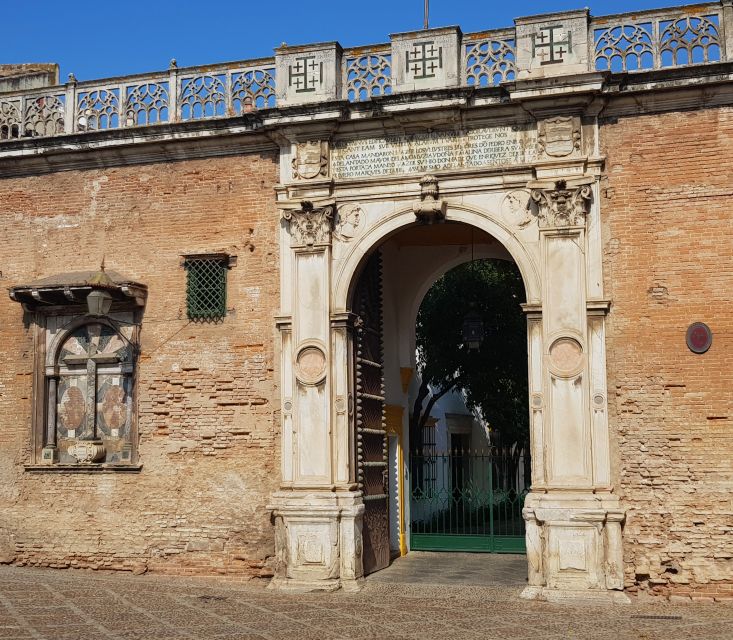
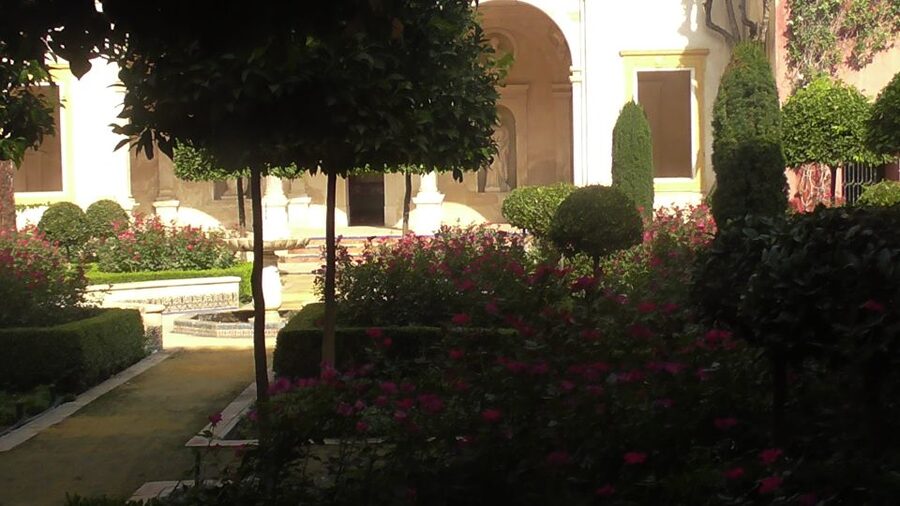
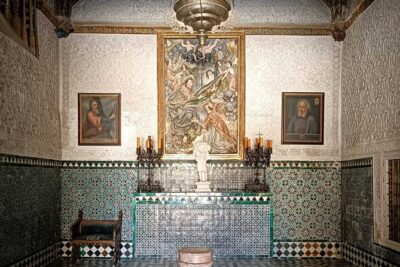
Casa Pilatos is where the tour starts to feel like Seville’s design nerds got invited to the party. The palace is Mudejar-style, but it’s also influenced by the Italian Renaissance period. That mix is exactly what the guide is helping you notice.
The palace’s reputation for tiles comes through quickly. You’ll get a look at what’s often considered the best tile collection in the city, and that’s not a minor detail. In Seville, tiles aren’t just decoration. They help shape how light lands on surfaces, how patterns guide your eye, and how rooms feel different from one another.
What I like about Casa Pilatos on this tour is that it connects beauty to explanation. You’re not just walking from room to room. You’re learning how the city’s artistic language evolved, and Casa Pilatos becomes the “translation” between styles.
Important limits to know:
- Entry is included, but only the ground floor is part of what’s covered.
- Other floors aren’t included, so if you’re hoping for a full house experience, you may need a separate visit.
If you’re the type who wants one standout interior, Casa Pilatos usually does the job.
How the guide ties Renaissance, Baroque, and contemporary architecture together
You might think Seville’s architecture is just a collection of pretty styles. This tour pushes you to see it as a chain reaction.
The guide’s job here is to help you connect eras, so you can walk away with a mental map:
- Mudejar foundations
- Renaissance and later European influences
- Baroque-era sensibilities you can spot in how things were shaped and decorated
- And then forward into Regionalist and contemporary expressions
The tour doesn’t try to make you an architecture professor. It keeps things practical. You’ll learn enough to recognize the big cues so future buildings start making sense as you pass them on your own.
Also, the guide matters. In this experience, the leadership has real consistency: names like Miriam, Sergio, and Jesus come up for a reason—clear explanations and a knack for connecting details to what you’re actually seeing.
Finishing near Metropol and Las Setas: the mushrooms at street level
The tour ends at the entrance of the Metropol Building. Entry to Metropol itself isn’t included, so plan for this as a viewpoint-and-walk-off moment, not a second museum.
But the payoff is outside: you’ll see Las Setas, the mushroom-shaped modern structure. It’s a sharp contrast to the earlier sights, and that contrast is the point. After churches and palaces, it reminds you that Seville keeps evolving.
The tour also mentions that you’ll see some of Seville’s more avant-garde architecture at the end. Even if modern buildings aren’t your thing, the mushrooms are famous for a reason. They’re playful, photogenic, and they help close the “art timeline” the tour has been building.
Price and value: what you get for about $46
At $46 per person for about 2.5 hours, the value is strongest because key costs are already handled.
Included:
- A guided tour with an official guide
- Entry to Salvador Church
- Entry to Casa Pilatos (ground floor)
- An audioguide system depending on group size
- Skip the ticket line
Not included:
- Entry to other floors of Casa Pilatos
- Entry to Metropol
- Transportation
- Food
So you’re paying for time + guidance + two major entries. In Seville, that matters because the difference between a quick self-guided visit and a guided one is often the explanations you get in-between. This tour uses those explanations to give you context you’d otherwise have to piece together from a guidebook.
If your plan is “see two interiors and learn how they connect,” this price lands in the fair range. If your plan is “I want to linger alone for an hour in every room,” you might feel slightly rushed. But for a structured art-and-styles walk, it’s a solid use of half a day.
Who should book this Seville tour (and who should skip it)
You’ll enjoy this most if you:
- Want a walking tour that teaches you how Seville’s art styles connect
- Care about more than Instagram shots, especially Holy Week art at Church El Salvador
- Appreciate interiors, especially tiles and palace design at Casa Pilatos
- Like tours that end with a modern contrast, not the same-old historic finale
You might skip it if:
- You have mobility limitations (the tour isn’t suitable for that)
- You strongly prefer long, independent time in museums and houses
- You want full-house access at Casa Pilatos (only ground floor entry is included)
A quick practical note: bring comfortable shoes. The tour lasts around 2.5 hours, and you’ll be walking between sites.
Should you book: Salvador Church, Casa Pilatos, and Metropol tour?
I’d book it if you want Seville to feel connected rather than random. Church El Salvador gives you the spiritual and artistic anchor with Holy Week sculptures inside a former mosque. Casa Pilatos delivers the style mix (Mudejar + Italian Renaissance influence) plus serious tile appeal. Then Las Setas adds that modern counterpoint so the city doesn’t end in the past.
I would only hesitate if walking is a problem for you, or if you need full access to every floor at Casa Pilatos. Otherwise, this is one of the better ways to spend a half-day when you want cultural context without turning it into a homework assignment.
FAQ
How long is the Seville tour?
It lasts about 2.5 hours.
What stops are included?
You visit Church El Salvador, Casa Pilatos (ground floor), and you end near the Metropol Building to see Las Setas (outside).
Is entry to Metropol included?
No. Entry to Metropol is not included.
Is Casa Pilatos entry limited?
Yes. Entry is included for the ground floor, while other floors are not included.
Are tickets included for the main sights?
Entry to Salvador Church and Pilatos House (ground floor) is included, and you skip the ticket line.
What languages is the tour offered in?
It runs in Italian, French, English, and Spanish.
Do I need to bring anything?
Wear comfortable shoes, since it’s a walking tour.
Is the tour suitable for people with mobility impairments?
No, it isn’t suitable for people with mobility impairments.
More Tour Reviews in Seville
- Seville: Live Flamenco Dancing Show Ticket at the Theater
★ 4.7 · 16,396 reviews - Seville: Alcázar, Cathedral & Giralda Skip-the-Line Tour
★ 4.8 · 11,525 reviews - Seville: 1-Hour Guadalquivir River Sightseeing Eco Cruise
★ 4.2 · 10,281 reviews - Seville: Setas de Sevilla Entry Ticket
★ 4.6 · 8,901 reviews - Seville: Cathedral, Giralda & Alcazar Entry With Guided Tour
★ 4.6 · 8,560 reviews
More Sevillian Palace Courtyards
- Seville: Casa de Pilatos Ground Floor Entry Ticket
★ 4.5 · 5,691 reviews - Seville: Flamenco at El Palacio Andaluz with Optional Dinner
★ 4.6 · 1,319 reviews - “Las Dueñas” Palace ticket + Audioguide
★ 4.5 · 242 reviews - Flamenco Show at El Palacio Andaluz Admission Ticket in Seville
★ 4.5 · 136 reviews - Seville: Palacio de Las Dueñas Entry Ticket and Guided Tour
★ 4.5 · 79 reviews
Up on the Setas Again
- Seville: Setas de Sevilla Entry Ticket
★ 4.6 · 8,901 reviews - Seville: Flamenco Show Ticket at Tablao Flamenco Las Setas
★ 4.8 · 2,214 reviews - Espectáculo Flamenco Tablao “Las Setas”
★ 5.0 · 59 reviews - Seville: Palacio de Las Dueñas, La Macarena & Las Setas Tour
★ 4.3 · 11 reviews - Guided walking tour to Setas, La Macarena and Dueña’s Palace in Seville
★ 4.5 · 8 reviews
Just added to the Seville list


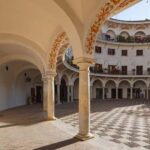
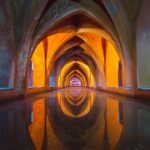

Casa de Pilatos & Sevillian Palaces, compared.
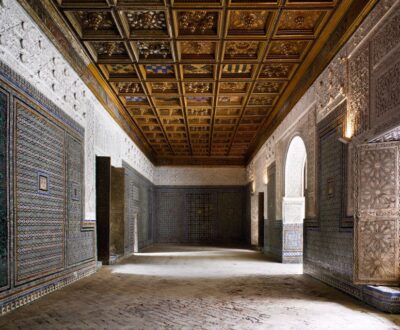 ★ 4.5Casa de Pilatos Ground Floor Entry TicketFrom $145,691 reviews
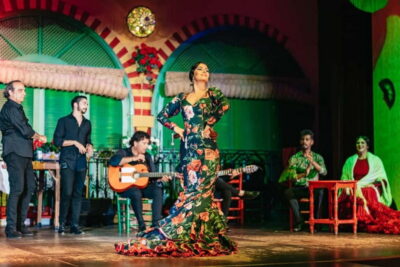 ★ 4.6Flamenco at El Palacio Andaluz with Optional DinnerFrom $381,319 reviews
 ★ 4.5“Las Dueñas” Palace ticket + AudioguideFrom $18242 reviews
 ★ 4.5Flamenco Show at El Palacio Andaluz Admission Ticket in SevilleFrom $65136 reviews
 ★ 4.5Palacio de Las Dueñas Entry Ticket and Guided TourFrom $2979 reviews
 ★ 4.6Guided visit to the Casa de Pilatos with ticketsFrom $2958 reviews
 ★ 5.0Seville Palaces: Dueñas Palace and Pilate House TourFrom $25628 reviews
 ★ 5.0Guided tour of the Casa de Pilatos in SevilleFrom $3019 reviews
Browse the lists this tour appears in