
Review · PRIVATE SEVILLE TOURS
Seville: Jewish History Private Tour
Seville’s Jewish past is hiding in plain sight. On this 2-hour private walking tour, you trace centuries of Seville’s Jewish community through the streets of Santa Cruz, with real places you can stand inside and look around. I especially liked the way Alba (your guide) connects the sites to everyday life, and I also loved the stop that takes you underground to see the ruins tied to the old Jewish cemetery. One consideration: this is a walk through historic lanes, so if you want step-free ease, you’ll need another option since it’s not suitable for wheelchair users.
You’ll get a tight, focused route in a short time, but it still feels story-led instead of checklist-led. The tour’s strength is how it explains what you’re seeing—synagogues, neighborhoods, and the lasting marks on Seville—without turning it into a lecture you have to survive. If you’re the type who wants long, slow museum time, the 2-hour format might feel a bit fast.
In This Review
- Key Points You’ll Actually Care About
- Entering Seville’s Jewish Story, Without the Confusion
- Starting at Plaza Nueva: The Quick Orientation That Saves Time
- Santa Cruz Quarter: Where the Neighborhood Does Half the Teaching
- Santa Maria la Blanca and San Bartolomé: Two Synagogues, Two Windows
- Santa Maria la Blanca
- San Bartolomé
- The Underground Ruins: The Moment That Makes It Real
- Hidden Corners and Secret Stops: Small Stops, Big Payoff
- Ending in Juderia: What You Should Notice After the Tour
- Price and Value: Is $131 a Good Deal?
- Who This Tour Fits Best (and Who Might Want Another Option)
- Should You Book This Seville Jewish History Private Tour?
- FAQ
- Where does the tour start?
- How long is the tour?
- Is this a private tour?
- What languages is the guide available in?
- What sites are included?
- Is transportation included?
- Is the tour suitable for wheelchair users?
- What’s included in the price?
- FAQ
- What’s the cancellation policy?
- Is there a reserve now & pay later option?
- How much does it cost per person?
Key Points You’ll Actually Care About
- Private group format means you can ask questions and set the pace.
- Alba’s background (a PhD in Jewish history of the region) shows in the way she explains sources and context.
- You visit former worship spaces tied to the community, including Santa Maria la Blanca and San Bartolomé.
- A standout moment is going underground to view ruins related to the old Jewish cemetery.
- The route centers on the Santa Cruz Quarter and ends in the area known as Juderia, helping you orient what you’re seeing after the tour.
More days with a guide of your own
- Seville: Private City Tour by Eco Tuk Tuk★ 4.8 · 963 reviews
- Seville Private Walking Tour with Alcazar & Cathedral Tickets★ 5.0 · 332 reviews
- Private Walking Tour Alcazar and Cathedral in Sevilla★ 5.0 · 172 reviews
Entering Seville’s Jewish Story, Without the Confusion
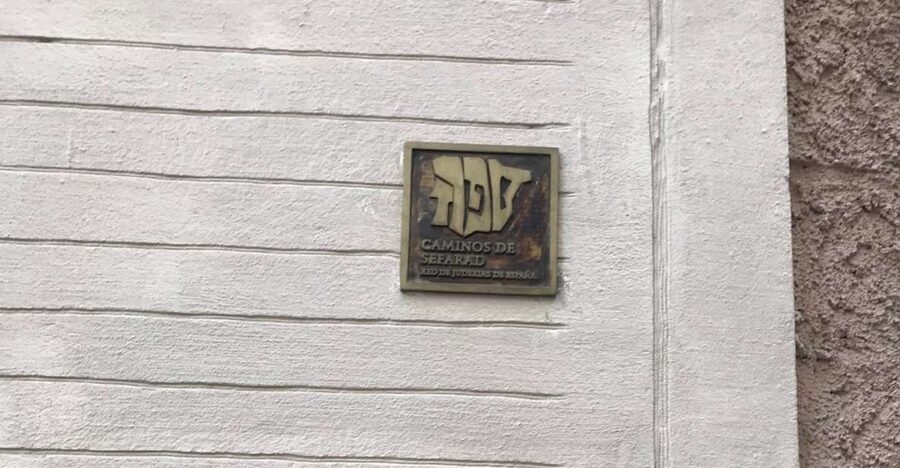
Seville’s Jewish history isn’t stuck in one museum room. It’s layered across the city: in the neighborhood names, the architecture, and even in how people talk about local culture and surnames today. That matters because you don’t have to take the story on faith. You can walk to the places and let them anchor the timeline.
On this tour, you’re not just shown points on a map. You’re guided through the shift from origins to daily life to major turning points, then to what happened when the community was expelled from the city. For me, the value is clarity. The guide keeps the chronology understandable while still leaving room for legends and human stories—so the history feels like real lives, not distant dates.
Also, Seville can be busy and hot. A 2-hour focus keeps you from overcommitting your day. You still get a meaningful arc, and you’re done before the city fully grinds you down.
Starting at Plaza Nueva: The Quick Orientation That Saves Time
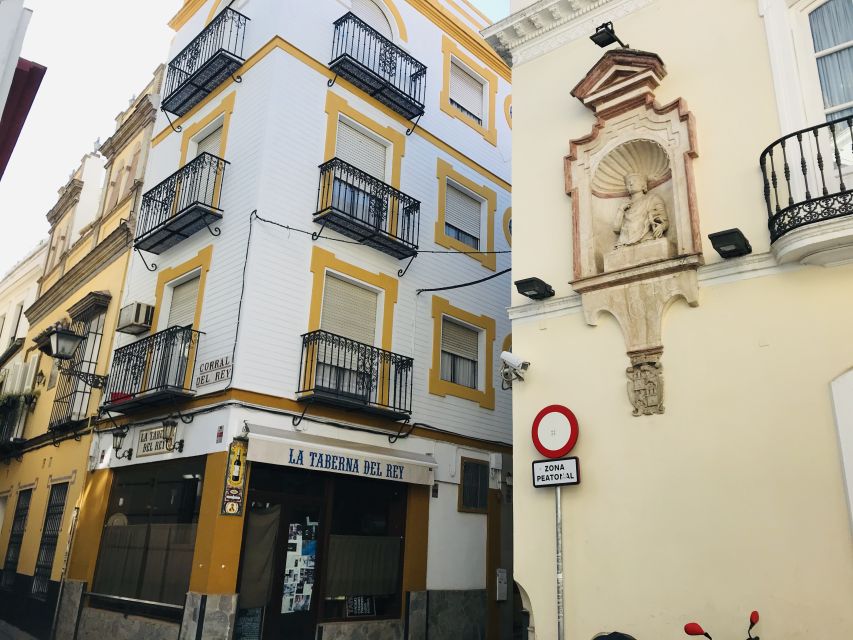
You meet beside the central statue in Plaza Nueva. It’s a smart starting spot because it’s central enough that you’ll feel anchored right away. More importantly, it sets you up for the walk into the historic center, where street patterns can start to look similar fast.
From the first minutes, the tour helps you understand what you’re going to see next. That doesn’t mean you’re given a rigid script. It means you start paying attention to the right things: building layout, neighborhood boundaries, and why the Jewish community’s places ended up where they did.
One small practical tip: wear shoes you don’t mind getting a little dusty. The route is walking-heavy through older streets. Even on a “good weather” day, you’ll feel the ground under you more than you would in a modern district.
Santa Cruz Quarter: Where the Neighborhood Does Half the Teaching
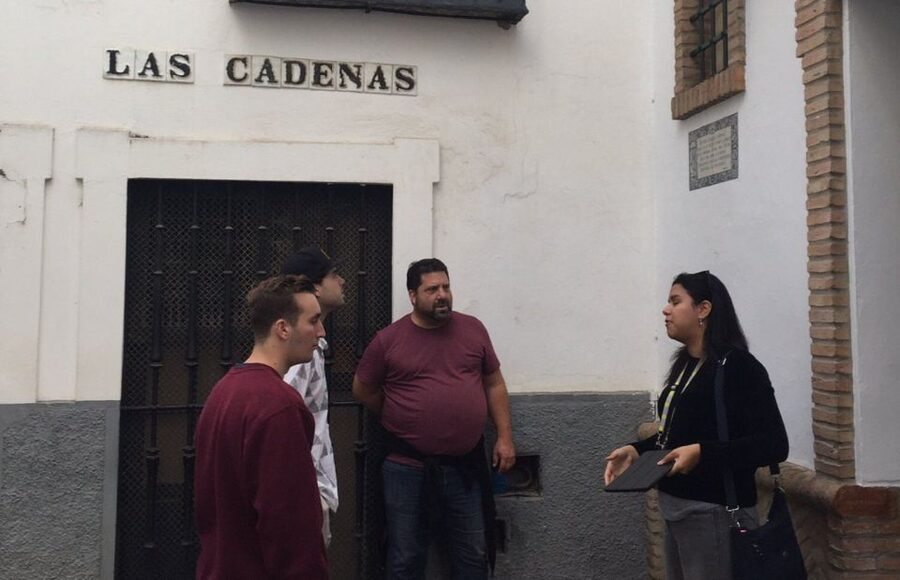
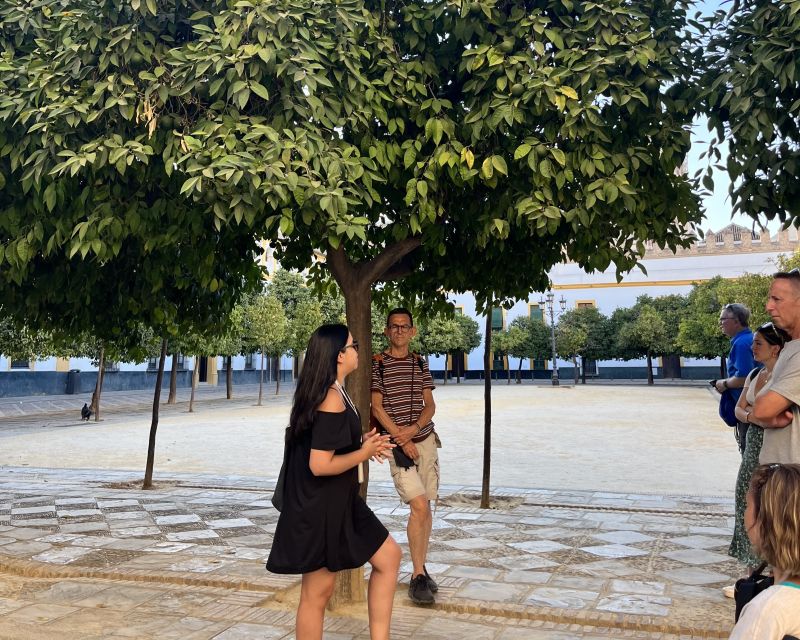
Santa Cruz is the big draw for a reason. It’s a maze of narrow lanes, courtyards, and small squares that make it easy to see how a community could develop in a tight, walkable area. During this part of the tour, you’re guided through the quarters once tied to Seville’s Jewish community.
What I like about this approach is that it helps you read the neighborhood. You start noticing how homes and street life would have worked: where people likely gathered, how worship spaces fit into daily routines, and how the community’s presence shaped the area’s identity.
A possible drawback depends on your expectations. If you come hoping for wide-open, photo-friendly panoramas, this is more about texture and place than vistas. You’ll get plenty of atmospheric streets, but you’re trading landscape views for historical ones.
Still deciding? A few more Seville picks worth a look.


Santa Maria la Blanca and San Bartolomé: Two Synagogues, Two Windows
This tour includes two former synagogue sites: Santa Maria la Blanca and San Bartolomé. These stops are the heart of the “where did they worship?” question, and they’re where the tour’s story framing becomes most useful.
Instead of treating the synagogues like pretty buildings, the guide focuses on what these spaces represented for the community. You’re shown how worship, identity, and community structure connected. That’s the key. You’re not just learning that a synagogue existed. You’re learning why it mattered.
Santa Maria la Blanca
Santa Maria la Blanca is the kind of site that rewards close attention. As you move through the area, you’ll better understand how worship spaces were integrated into the larger neighborhood. Even if you only know the basics of Jewish history, the guide’s explanation turns architecture into context you can hold onto later.
San Bartolomé
San Bartolomé adds another layer by connecting the story to how the community lived and organized itself. This stop helps you compare what you’re seeing across sites and notice the differences that hint at how communities evolved over time.
If you’re the type who gets impatient with “inside baseball” history, you’ll still be fine here because the tour links details to what you can actually see and imagine.
The Underground Ruins: The Moment That Makes It Real
The most unforgettable part is the underground visit to find ruins connected to the Jewish cemetery. Walking tours are often about what’s above ground. Here, you get a rare shift—into the remnants tied to death, memory, and long-term community presence.
That setting changes the tone instantly. Even without extra theatrics, going underground gives the history weight. You start thinking about time differently. You’re standing in a space that’s physically layered, and the guide helps you connect that physical layering to the city’s long, complicated timeline.
This is also where I felt the tour’s balance. It’s respectful and reflective, but it doesn’t get so solemn that you lose interest. You still get explanations you can follow, and the guide stays focused on helping you interpret the ruins rather than just point them out.
Hidden Corners and Secret Stops: Small Stops, Big Payoff
Between the major sites, you’ll pass through additional “hidden” and “secret” moments on the route—places that help connect the dots between worship spaces, neighborhoods, and the community’s footprint in Seville.
I like these kinds of stops because they prevent the tour from feeling like a string of monuments. In older quarters, the in-between spaces often carry the most atmosphere. They also help you understand how a community moved through the day: not just where big events happened, but where ordinary life likely unfolded.
One practical note: because these are small, the best photos are the ones you take quickly. Don’t let picture-taking slow you down so much that you miss the guide’s pacing.
Ending in Juderia: What You Should Notice After the Tour
The tour finishes at Juderia. That ending matters because it leaves you with an easy mental map. You’re not walking out blind into a neighborhood you only half-understand.
What to do after, if you still have energy: keep walking and compare what you now understand. If you pass building entrances, courtyards, or street bends that feel similar, you can start imagining the older community layout. You’ll also be able to spot how the Jewish story is referenced in the area’s ongoing identity, including connections to gastronomy and surnames—topics the guide brings up as lasting cultural impressions.
This is one of the reasons a focused private tour is worth it. When you leave with a story that fits the streets, you don’t need to keep re-reading your phone.
Price and Value: Is $131 a Good Deal?
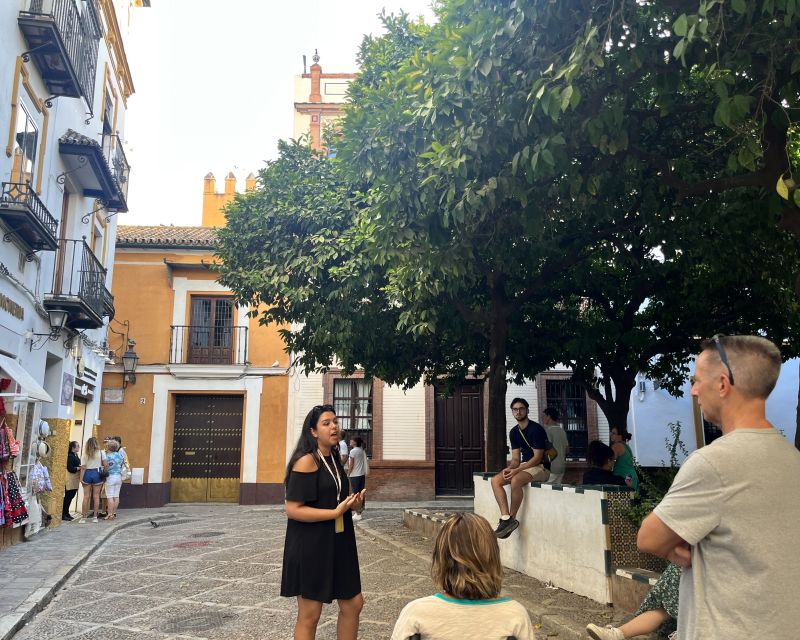
At $131 per person for a private 2-hour tour, you’re paying for specialization: a tightly planned route, a professional guide, and visits to meaningful sites (including an underground ruin area). You’re also not paying for separate transportation, since the tour lists included services as the guide and standard fees/taxes.
So is it good value? For the right person, yes—especially if you care about Jewish history connected to place, not just general background. The guide’s credentials also push the value higher. Alba’s PhD in Jewish history of the region isn’t a marketing slogan. It shows in how she ties the timeline to what you can physically see.
Where the price might feel less comfortable is if you’re only casually curious. If your goal is a relaxed stroll for atmosphere, you might be better served by something shorter or group-based. But if you want one clear, expert-led narrative through key sites, the structure justifies the cost.
Who This Tour Fits Best (and Who Might Want Another Option)
This tour fits you if:
- You like history that points to real buildings and specific sites.
- You want a guided walk that’s 2 hours and not a half-day commitment.
- You enjoy question-and-answer energy that works better in a private group.
It may be a less ideal fit if:
- You need step-free access, since it’s not suitable for wheelchair users.
- You prefer museum-heavy time over walking through older neighborhoods.
Should You Book This Seville Jewish History Private Tour?
I’d book it if you want Seville history that you can feel in your legs and see with your eyes. The combination of synagogues—Santa Maria la Blanca and San Bartolomé—plus the underground Jewish cemetery ruins is a strong mix. Then there’s Alba, whose PhD-level background and friendly, story-driven delivery make the whole route click.
If you’re on a tight schedule, the 2-hour duration is another win. You get a coherent arc and leave with a clearer sense of where the community lived, worshipped, and how their legacy still shows up in the city.
FAQ
Where does the tour start?
It starts at Plaza Nueva, beside the central statue.
How long is the tour?
The tour lasts 2 hours.
Is this a private tour?
Yes. It’s a private group experience.
What languages is the guide available in?
The live tour guide speaks Spanish and English.
What sites are included?
You’ll visit the synagogues of Santa Maria la Blanca and San Bartolomé, see the Santa Cruz Quarter area, and go underground to view ruins connected to the Jewish cemetery.
Is transportation included?
No, private transportation is not included.
Is the tour suitable for wheelchair users?
No, it is not suitable for wheelchair users.
What’s included in the price?
The price includes all fees and taxes and a professional tour guide.
FAQ
What’s the cancellation policy?
You can cancel up to 24 hours in advance for a full refund.
Is there a reserve now & pay later option?
Yes. You can reserve and pay later, keeping your plans flexible.
How much does it cost per person?
The price is $131 per person.
More Tours in Seville
- Seville: Alcázar, Cathedral & Giralda Skip-the-Line Tour
★ 4.8 · 11,525 reviews - Seville: Cathedral, Giralda & Alcazar Entry With Guided Tour
★ 4.6 · 8,560 reviews - Seville: Priority Access Cathedral, Giralda & Alcázar Tour
★ 4.8 · 7,563 reviews - Seville: Alcázar and Cathedral Entry Ticket and Guided Tour
★ 4.6 · 5,056 reviews - Seville: City Sightseeing Hop-On Hop-Off Bus Tour
★ 4.0 · 4,633 reviews
More Tour Reviews in Seville
- Seville: Live Flamenco Dancing Show Ticket at the Theater
★ 4.7 · 16,396 reviews - Seville: Alcázar, Cathedral & Giralda Skip-the-Line Tour
★ 4.8 · 11,525 reviews - Seville: 1-Hour Guadalquivir River Sightseeing Eco Cruise
★ 4.2 · 10,281 reviews - Seville: Setas de Sevilla Entry Ticket
★ 4.6 · 8,901 reviews - Seville: Cathedral, Giralda & Alcazar Entry With Guided Tour
★ 4.6 · 8,560 reviews
A Guide of Your Own in Seville
- Seville: Private City Tour by Eco Tuk Tuk
★ 4.8 · 963 reviews - Seville Private Walking Tour with Alcazar & Cathedral Tickets
★ 5.0 · 332 reviews - Private Walking Tour Alcazar and Cathedral in Sevilla
★ 5.0 · 172 reviews - Alcazar and Cathedral of Seville Private Tour
★ 5.0 · 149 reviews - Private Tour Jewish Quarter, center and Plaza de España
★ 5.0 · 127 reviews
Just added to the Seville list




Private Seville Tours, compared.
 ★ 4.8Private City Tour by Eco Tuk TukFrom $33963 reviews
 ★ 5.0Seville Private Walking Tour with Alcazar & Cathedral TicketsFrom $276332 reviews
 ★ 5.0Private Walking Tour Alcazar and Cathedral in SevillaFrom $171172 reviews
 ★ 5.0Alcazar and Cathedral of Seville Private TourFrom $241149 reviews
 ★ 5.0Private Tour Jewish Quarter, center and Plaza de EspañaFrom $189127 reviews
 ★ 5.0Private personalized Seville street tour of 2.5 hoursFrom $54116 reviews
 ★ 5.0Private Half Day Walking Tour of SevilleFrom $133101 reviews
 ★ 4.5Alcazar of Seville Private TourFrom $11693 reviews
Browse the lists this tour appears in