
Review · SEVILLE MUSEUMS & GALLERIES
Espacio Exploraterra: Nao Victoria 500 Replica and Museum
One ship tells the biggest voyage. Espacio Exploraterra in Seville uses the Nao Victoria 500 replica plus a guided-by-audio museum to explain the first round-the-world expedition—Magellan, Elcano, and the hard reality of life at sea. What I like most is the way the story is delivered through the ship itself, and the included audioguide (Spanish, English, French). One thing to keep in mind: the museum/ship setup isn’t suitable for wheelchair users.
This is a one-day visit with a simple rhythm: start at the museum, get your bearings, then board the replica ship to feel the space and constraints described in the exhibits. You’ll see how the journey changed maps, politics, and trade routes—told with historical sources and audiovisual media—without needing a stack of reference books.
In This Review
- Quick hits before you go
- Why the Nao Victoria 500 works so well as your guide
- Inside Espacio Primera Vuelta al Mundo: museum galleries and media
- Boarding the Nao Victoria 500 replica: the scale of constraints
- Magellan and Elcano context you’ll remember after you leave
- Practical tips: headphones, order of visit, and how long it really takes
- Price and value: why about $11 can feel surprisingly fair
- Who should book this one-day voyage in Seville?
- Should you book Espacio Exploraterra and the Nao Victoria 500?
- FAQ
- Where is Espacio Exploraterra located?
- How much does it cost?
- How long is the experience?
- What is included with the ticket?
- What languages are available for the audioguide?
- Do I need to bring anything?
- Is it suitable for wheelchair users?
- Where do I meet for the experience?
- What’s the best order of visit?
- Can I cancel for a refund?
Quick hits before you go
- Story-led museum exhibit that walks you from preparations to consequences of the circumnavigation
- Nao Victoria 500 life-sized replica so you can experience the scale of the voyage conditions
- Audioguide in Spanish, English, and French to match your comfort level
- Historical sources + audiovisual media that keep the topic moving at your pace
- Small but well organized museum space that works well for families with children
More hours indoors among Seville collections
- Seville: Puro Flamenco Show with Optional Museum Ticket★ 4.8 · 6,088 reviews
- Seville Aquarium Admission Ticket★ 4.6 · 1,947 reviews
- Seville: Museum of Illusions Entry Ticket★ 4.2 · 1,196 reviews
Why the Nao Victoria 500 works so well as your guide
This experience isn’t just about memorizing names and dates. The clever part is the way the museum is narrated through the ship—Nao Victoria becomes the protagonist. That framing changes how you process the information. You stop thinking of the circumnavigation as a distant legend and start experiencing it as a sequence of decisions, breakdowns, and forced adaptations.
You’ll hear about the preparations for the expedition, then the immensity of the voyage the crew undertook. The focus doesn’t stay theoretical. You get the dangers and the hardships of life on board—exactly the kind of details that make history feel real. And then the story turns to what happened after: the important consequences of that maritime feat and why it mattered beyond the horizon.
For me, the best thing about this format is how it respects your time. You can follow along at your pace with the audioguide, then confirm your understanding by walking onto the replica ship. That two-step approach—story first, ship second—helps the facts stick.
And if your Spanish isn’t strong, you’re in a good place. The on-site team tends to be patient (including with visitors trying hard in Spanish), and you may be able to get help if you need it.
Inside Espacio Primera Vuelta al Mundo: museum galleries and media
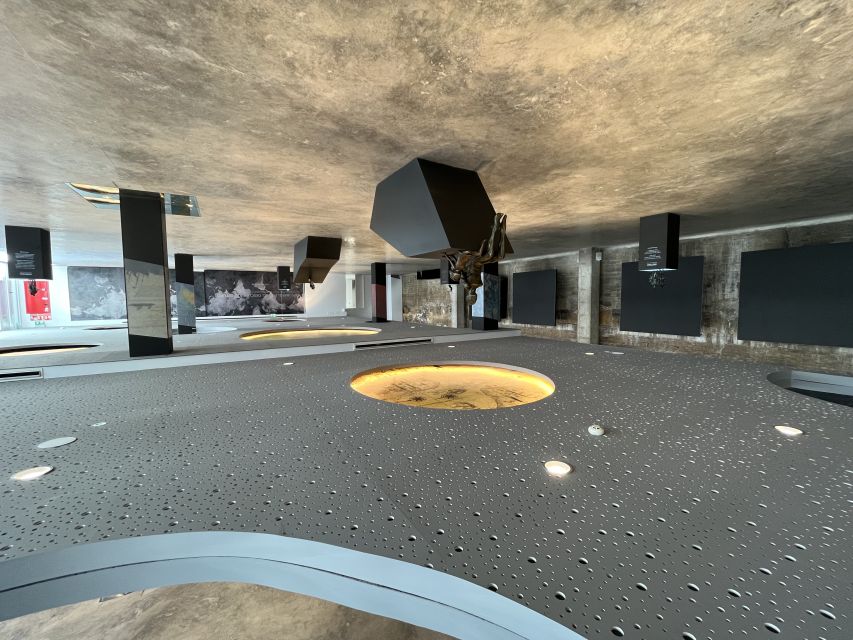
The visit starts at Espacio Primera Vuelta al Mundo, the museum space tied to the first round-the-world theme. This is where the museum does its main job: setting context for why Magellan’s expedition mattered, how Elcano carried the mission forward, and what “first circumnavigation” actually means in practice.
Expect a modern exhibition style built around historical sources and audiovisual media. That matters because the circumnavigation wasn’t a single straight line across the globe. It was a messy chain of events: planning, departure, uncertainty, storms and risk, sickness, and the constant problem of making progress when conditions don’t cooperate.
You’ll also notice how the narrative keeps returning to the human side of maritime expeditions. The exhibits are designed to help you get closer to the true dimension and scope of the achievement by showing what sailors faced, not just what leaders wanted.
One practical tip that really helps: plan to do the museum portion first. The background makes the later ship visit more meaningful. Without that setup, you can still enjoy walking the replica—but with it, you’ll better understand what you’re seeing and why the crew’s experience was so demanding.
Boarding the Nao Victoria 500 replica: the scale of constraints

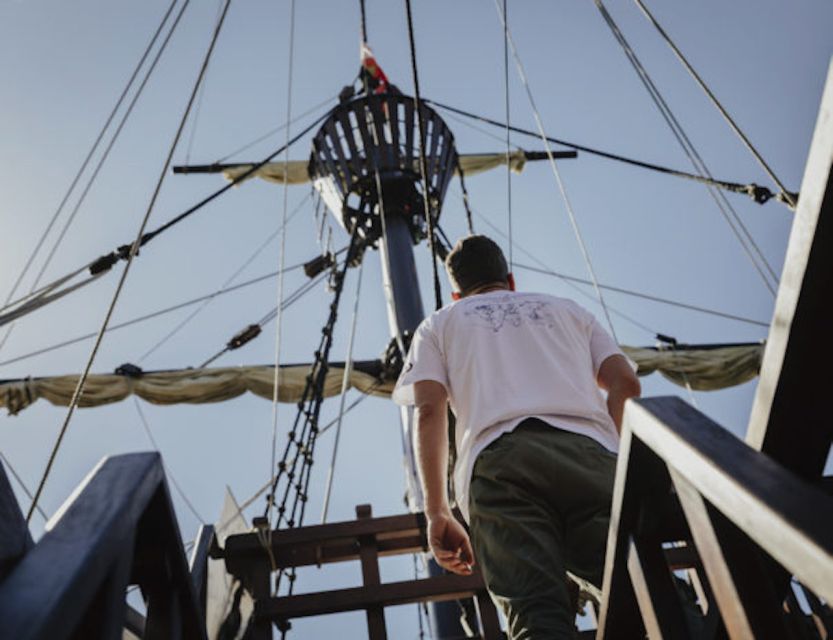
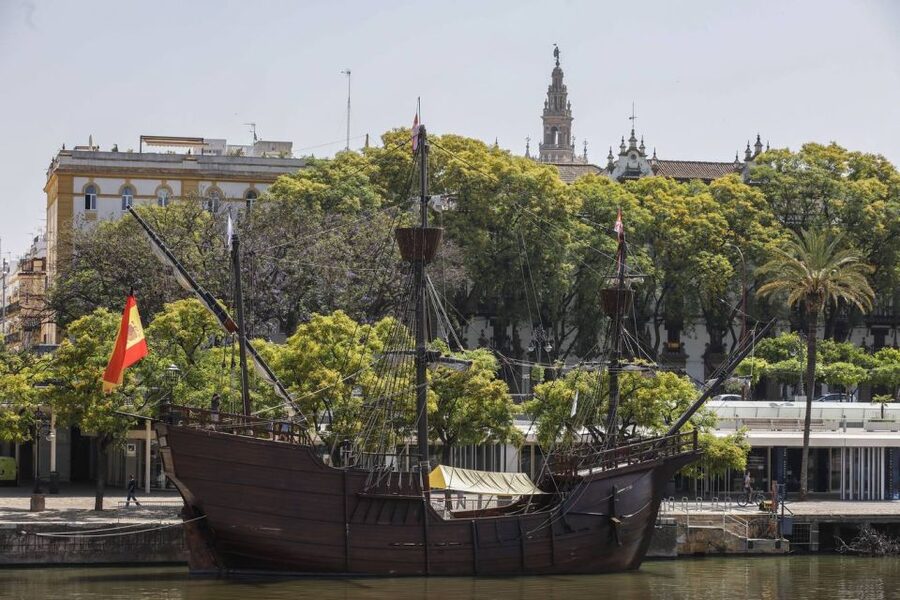
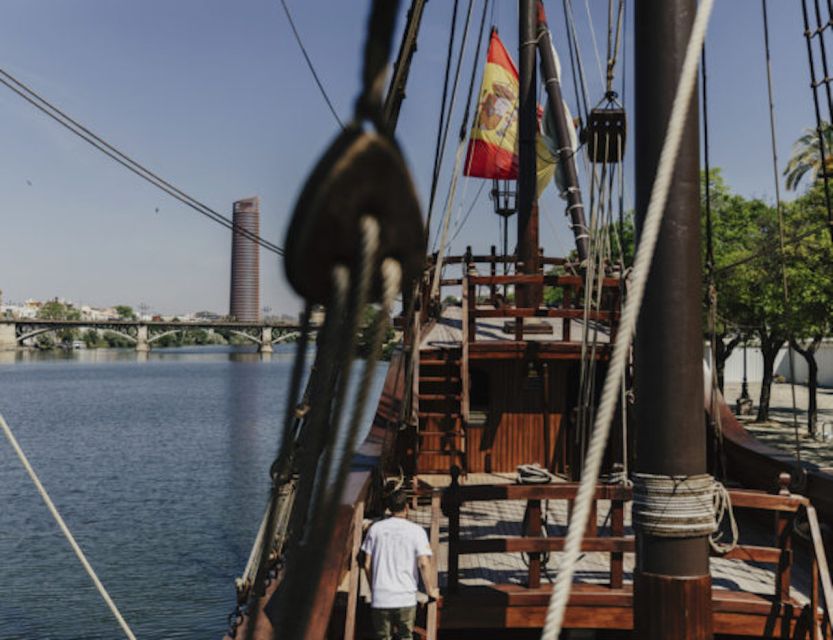
After the museum, you board the Nao Victoria 500 replica, a life-sized stand-in for the ship connected to the first circumnavigation. Even if replicas can’t reproduce every authentic detail, this one is still valuable because it turns “conditions at sea” from abstract text into a physical feeling.
Here’s the kind of sensation this creates: you start noticing the smallness of spaces and the reality of working within tight boundaries. The exhibitions describe hardship on board—when you step into the replica, those descriptions stop being words and become practical observations. You can see how everyday tasks would have competed with danger and exhaustion.
You don’t need technical knowledge to get something from it. In fact, that’s a big part of the value. The whole point is to help you grasp the scale of the voyage—how a journey spanning oceans was powered by a crew living in a limited, rough environment.
The replica also works well for families. It’s fun enough to hold kids’ attention, but it’s still built to connect to the story the museum just told you. If you have a child who likes boats or adventure stories, this pairing tends to make the history easier to care about.
More collections worth the queue
Magellan and Elcano context you’ll remember after you leave
A lot of maritime-history visits toss in facts and hope you connect the dots later. This experience helps you connect them while you’re there.
You’ll learn about the first around-the-world trip and discover the accomplishments of Magellan and Elcano in a way that’s tied to events onboard. Instead of only treating them as names, the museum narration ties their roles to the voyage’s reality—preparation, dangers, hardship, and eventual outcomes.
That approach is useful for one simple reason: when you understand how the expedition evolved, the “first circumnavigation” label becomes more than a trivia phrase. You start appreciating the expedition as an enormous logistical and human challenge—one that forced adaptation in a world where navigation, weather, and supply weren’t in anyone’s control.
And because the exhibits use audiovisual media, you’re less likely to get lost in dates alone. You can keep the story moving in your head: what the crew needed, what went wrong, how they responded, and what changed afterward for Spain and the wider world.
Practical tips: headphones, order of visit, and how long it really takes
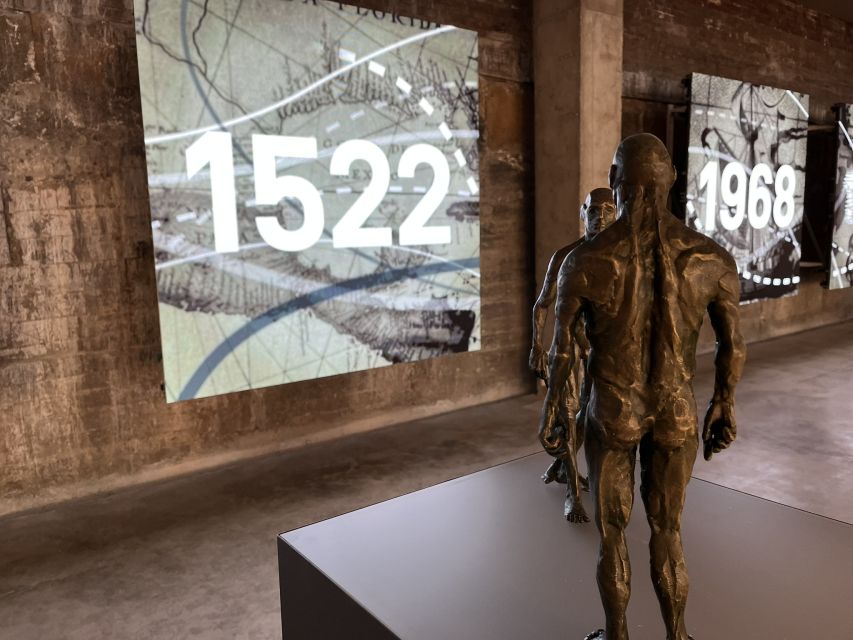
This is a one-day ticket, and it’s designed for a relaxed pace rather than a sprint. The audioguide is included, but you’ll need to bring headphones. That’s your main “prep” item, and it makes a big difference. Without headphones, the experience loses its best feature: the narration.
Language options are Spanish, English, and French—so you can choose the one you’re most comfortable with. If you’re a casual language learner, the English or French options can help you catch the logic of the story while you’re learning new vocabulary along the way.
Order matters. Do the museum first for background, then board the replica to connect what you heard to what you see. This improves understanding fast and reduces the chance that the ship feels like just a photo spot.
Timing is flexible within the day in the sense that you’ll have starting times to choose from. Since the ticket is valid for 1 day, plan to arrive a bit early so you can settle before you start the audioguide. This is especially helpful if you’re bringing kids—getting the story going smoothly prevents the visit from turning into a scramble.
Also, quick reality check: this experience isn’t suitable for wheelchair users. The visit includes the museum space and access around the ship replica.
Price and value: why about $11 can feel surprisingly fair
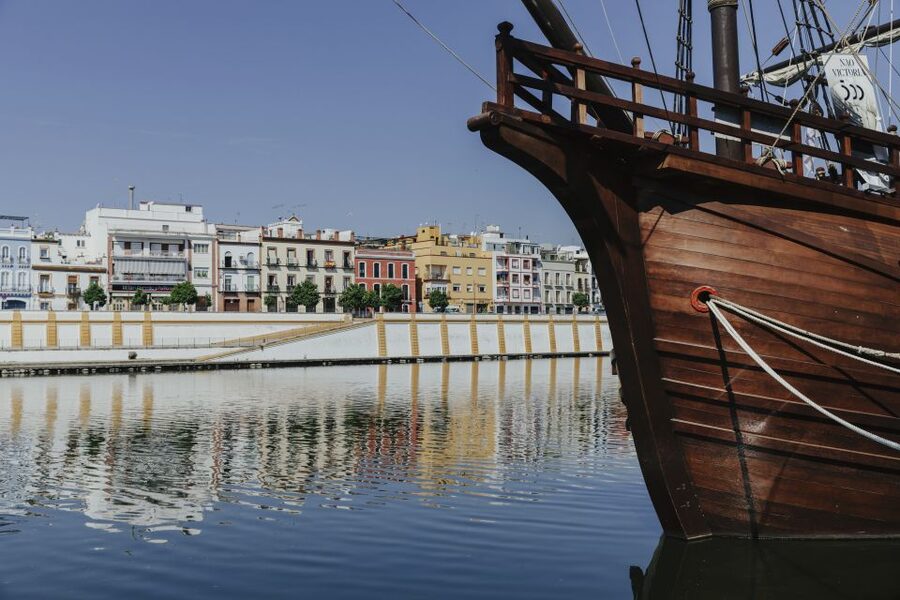
At about $11 per person for the entrance ticket and audioguide, the value is strong—mainly because you’re getting two experiences for one admission: the museum narrative plus physical access to the replica ship.
Museums can be expensive, and ship replicas can be limited if they only function as visual attractions. Here, the cost feels more justified because the replica is directly tied to the story told in the museum. You don’t just look around; you follow a guided narrative, then confirm it by stepping into the ship environment.
You’re also paying for convenience: audioguide is included, and you’re not stuck hunting for extra paid add-ons to understand what you’re seeing. That makes it easier to plan a meaningful, low-cost day in Seville without turning history into a spending marathon.
Bottom line: if you want a one-day activity that mixes story, human detail, and a tangible ship experience, this pricing is hard to beat.
Who should book this one-day voyage in Seville?
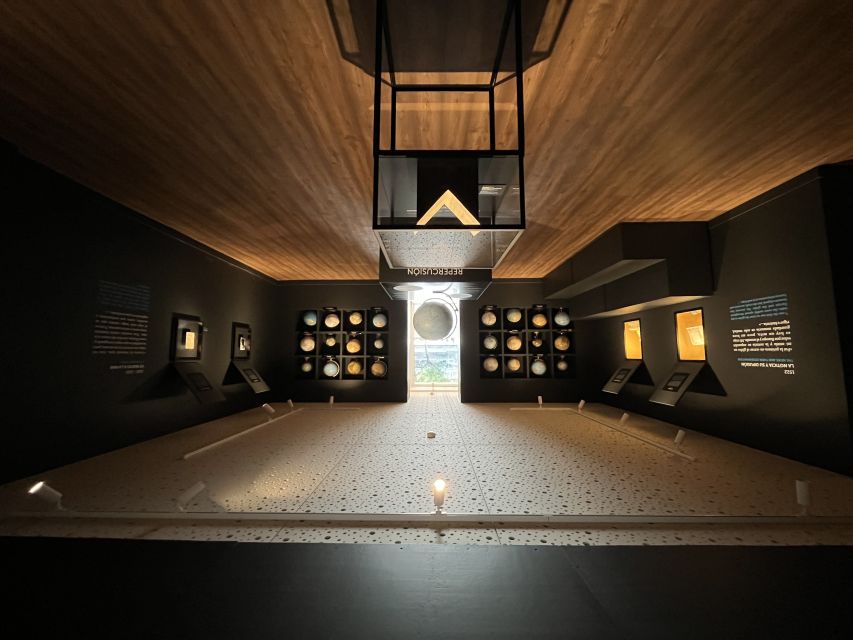
This works best if you like history that feels lived-in, not museum-glossy. You’ll appreciate it if you’re interested in the first circumnavigation and want to understand Magellan and Elcano in a way tied to actual conditions onboard.
It’s a good fit for:
- Families looking for something that’s interesting for kids but still not dumbed down
- Travelers who enjoy maritime themes and want a physical sense of ship constraints
- Independent visitors who like audioguides and self-paced exhibits
- Anyone who wants a clear story arc in a short amount of time (about 1 day)
If you only want a quick photo-stop and no narration, you might find it slower than expected. But if you’re the type who likes “walk-through storytelling,” this is a solid match.
Should you book Espacio Exploraterra and the Nao Victoria 500?
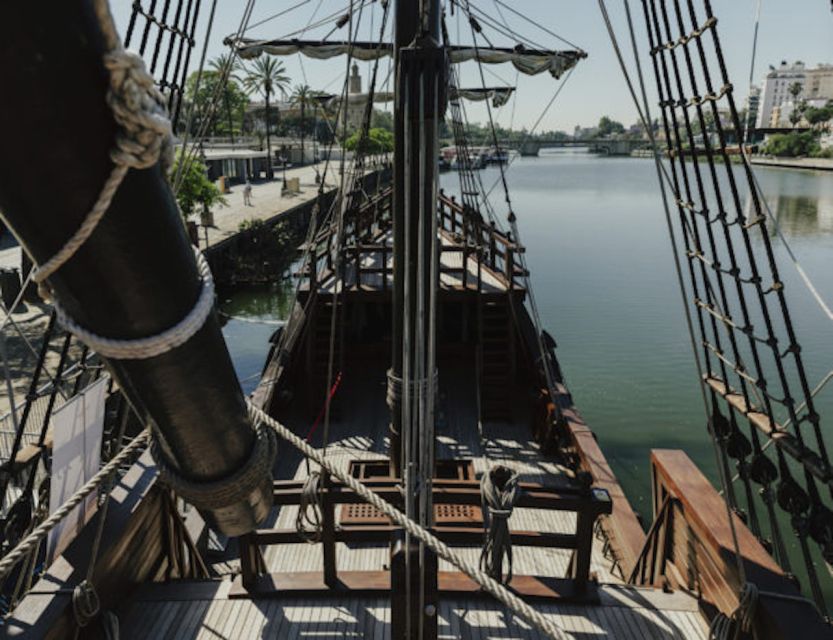
I’d book it if you want an efficient, story-forward way to understand the first around-the-world trip. The museum’s ship-narrator format helps the facts land, and the replica gives you a physical check on the hardship and scale described in the exhibits. Add the low cost and included audioguide, and it’s an easy yes for many visitors.
Skip or think twice if you can’t handle the fact that it isn’t suitable for wheelchair users, or if you prefer guided, live interpretation only. This is built around the audioguide experience, so bring your headphones, pick your language, and plan to start in the museum first.
If you do that, you’ll leave with a clearer sense of what it meant to turn insurmountable seas into paths between continents.
FAQ
Where is Espacio Exploraterra located?
It’s in Seville, Andalusia, Spain, at Espacio Primera Vuelta al Mundo, Paseo Alcalde Marqués del Contadero, 2, 41001 Sevilla.
How much does it cost?
The price is listed as $11 per person.
How long is the experience?
It’s a 1-day experience.
What is included with the ticket?
Your ticket includes entrance to the Espacio Exploraterra museum and the Nao Victoria 500 replica, plus an audioguide.
What languages are available for the audioguide?
The audioguide is available in Spanish, English, and French.
Do I need to bring anything?
Yes—bring headphones for the audioguide.
Is it suitable for wheelchair users?
No, it isn’t suitable for wheelchair users.
Where do I meet for the experience?
The meeting point is Espacio Primera Vuelta al Mundo at the address in Seville listed above.
What’s the best order of visit?
Do the museum first for background, then board the replica ship to connect the story to what you see.
Can I cancel for a refund?
Yes. Free cancellation is available up to 24 hours in advance for a full refund.
Seville Collections Worth the Queue
- Seville: Puro Flamenco Show with Optional Museum Ticket
★ 4.8 · 6,088 reviews - Seville: Museum of Illusions Entry Ticket
★ 4.2 · 1,196 reviews - A Fantastic Visit To The Museum Of Illusions Seville
★ 4.5 · 390 reviews - Seville: Museum of Flamenco Dance Admission Ticket
★ 4.4 · 197 reviews - Combined ticket: Puro Flamenco Show + Flamenco Museum visit
★ 4.5 · 132 reviews
More Tour Reviews in Seville
- Seville: Live Flamenco Dancing Show Ticket at the Theater
★ 4.7 · 16,396 reviews - Seville: Alcázar, Cathedral & Giralda Skip-the-Line Tour
★ 4.8 · 11,525 reviews - Seville: 1-Hour Guadalquivir River Sightseeing Eco Cruise
★ 4.2 · 10,281 reviews - Seville: Setas de Sevilla Entry Ticket
★ 4.6 · 8,901 reviews - Seville: Cathedral, Giralda & Alcazar Entry With Guided Tour
★ 4.6 · 8,560 reviews
Indoors in Seville: More Collections
- Seville: Puro Flamenco Show with Optional Museum Ticket
★ 4.8 · 6,088 reviews - Seville Aquarium Admission Ticket
★ 4.6 · 1,947 reviews - Seville: Museum of Illusions Entry Ticket
★ 4.2 · 1,196 reviews - Seville: Puro Flamenco Show – Museo del Baile Flamenco
★ 5.0 · 781 reviews - A Fantastic Visit To The Museum Of Illusions Seville
★ 4.5 · 390 reviews
Just added to the Seville list




Seville Museums & Galleries, compared.
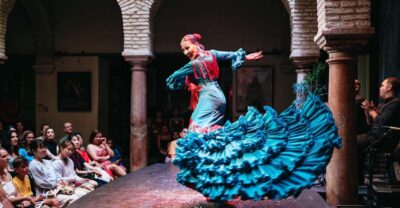 ★ 4.8Puro Flamenco Show with Optional Museum TicketFrom $346,088 reviews
 ★ 4.6Seville Aquarium Admission TicketFrom $201,947 reviews
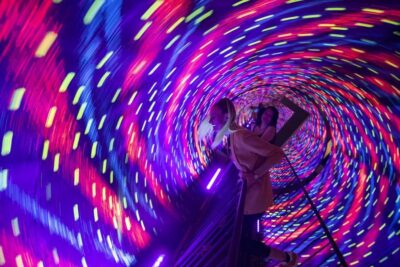 ★ 4.2Museum of Illusions Entry TicketFrom $171,196 reviews
 ★ 5.0Puro Flamenco Show – Museo del Baile FlamencoFrom $35781 reviews
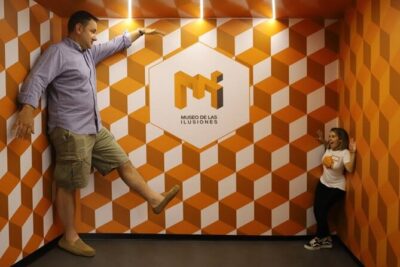 ★ 4.5A Fantastic Visit To The Museum Of Illusions SevilleFrom $18390 reviews
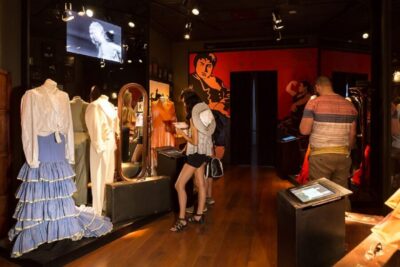 ★ 4.4Museum of Flamenco Dance Admission TicketFrom $7197 reviews
★ 4.0Seville Aquarium Admission TicketFrom $20185 reviews
★ 4.4Museum of Flamenco Dance Admission TicketFrom $7197 reviews
★ 4.0Seville Aquarium Admission TicketFrom $20185 reviews
 ★ 4.5Combined ticket: Puro Flamenco Show + Flamenco Museum visitFrom $39132 reviews
Browse the lists this tour appears in