
Review · SEVILLE MUSEUMS & GALLERIES
Seville: Museum of Fine Arts Guided Tour
Art meets Seville’s backstory.
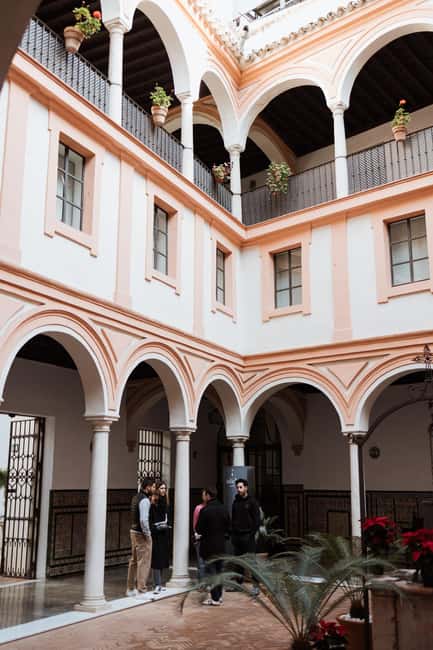
This guided visit to the Museum of Fine Arts of Seville uses the convent of La Merced as your starting point, then moves you through Renaissance, Baroque, and local Sevillian art with a real local guide.
I love how the tour turns artworks into events—you learn what’s happening in Seville and why the artists made the choices they did. You’ll also get to key highlights like Saint Jerome Penitent by Torrigiano and the room focused on Bartolomé Esteban Murillo, not just a random walk-through.
The only real catch is time: 2 hours is just enough for big highlights, not every room and every label in a museum of this size. If you’re the type who wants to linger forever, plan to come back another day on your own.
In This Review
- Key highlights to look for
- Where you start in Seville: Plaza del Museo, blue umbrella, and a fast entry
- The convent of La Merced: why the building is part of the experience
- Inside the collection: moving from Gothic Seville to Renaissance change
- Cloisters to paintings: the guide’s job is to connect meaning to time
- Saint Jerome Penitent by Torrigiano: a highlight with clear payback
- Murillo’s room: Seville’s spirit on a schedule
- Claustro Mayor and Claustro de los Bojes: the quiet intermission that changes your viewing
- Practical pacing: how the 2-hour plan feels in real life
- Price and value: $23 for entry plus a licensed guide
- Who should book this tour?
- A couple of details worth knowing before you go
- Should you book the Seville Museum of Fine Arts guided tour?
- FAQ
- How long is the Seville Museum of Fine Arts guided tour?
- How much does the tour cost?
- What’s included in the price?
- Is the guided tour in English or Spanish?
- Where do I meet the guide?
- Is there skip-the-line entry?
- Is the tour wheelchair accessible?
- Can I cancel for a full refund?
- Are pets allowed on the tour?
Key highlights to look for
- Up to 8 people with a licensed guide, so you can actually ask questions
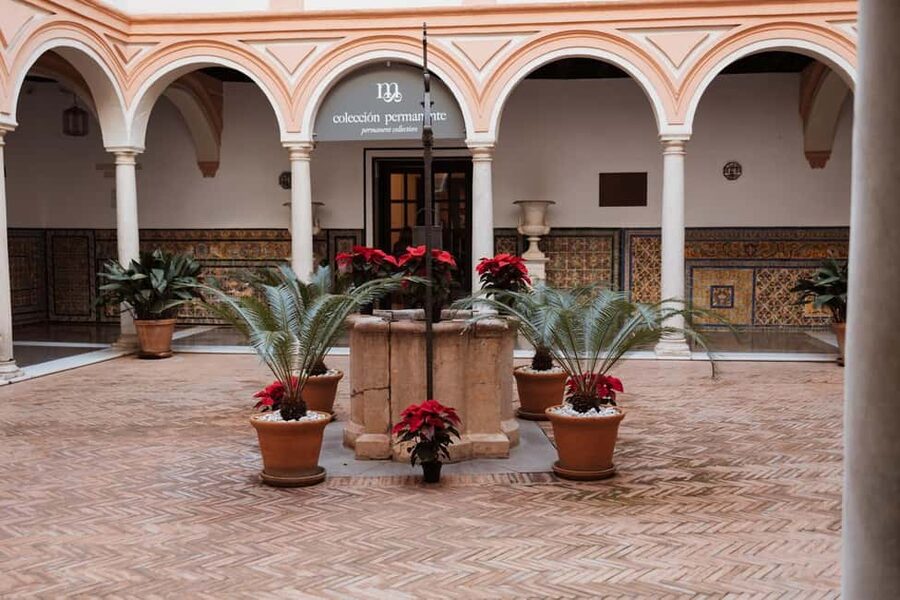
- La Merced’s cloisters (Claustro de los Bojes and Claustro Mayor) for Renaissance and Baroque atmosphere
- A story-driven path from Gothic pieces to Renaissance breakthroughs
- Murillo-focused viewing and context for Sevillian Costumbrismo and local themes
- Express security check so you spend less time stuck at the front door
- A guide like Julio who links symbolism to the historical period in plain language
More hours indoors among Seville collections
- Seville: Puro Flamenco Show with Optional Museum Ticket★ 4.8 · 6,088 reviews
- Seville Aquarium Admission Ticket★ 4.6 · 1,947 reviews
- Seville: Museum of Illusions Entry Ticket★ 4.2 · 1,196 reviews
Where you start in Seville: Plaza del Museo, blue umbrella, and a fast entry
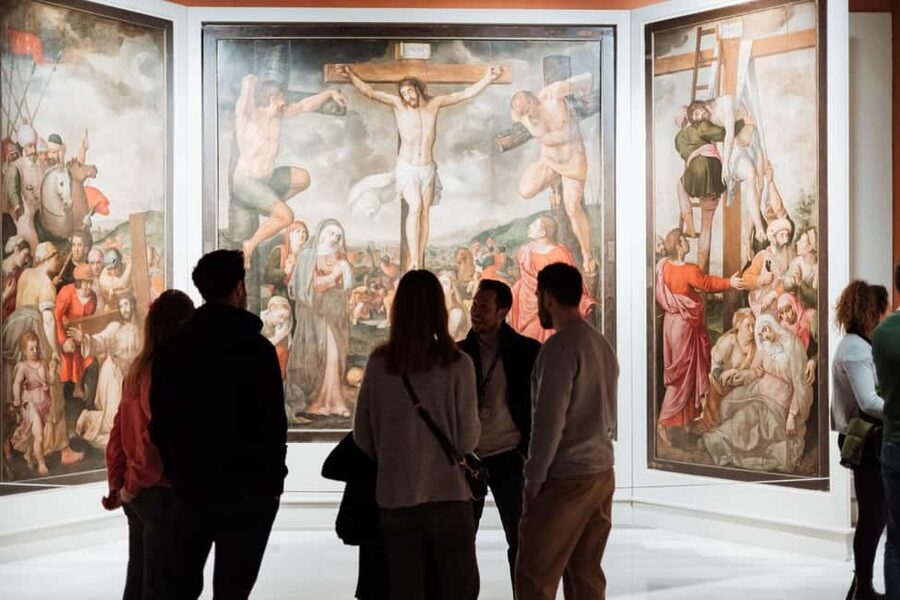
You’ll meet at Plaza del Museo, right next to the statue of Murillo. The guide waits with a blue umbrella or a name tag that says Sevilla Guías & Tours. This matters because the museum and the convent setting can feel like a maze when you first arrive.
From there, the tour is designed to get you moving quickly inside. You also get an express security check, which is a practical upgrade on a day when you’d rather be looking at art than waiting in line.
The meeting rhythm is also built for small groups. With a limit of 8 participants, the guide can adjust pacing—especially helpful if you’re pairing this with other Seville plans later the same day.
The convent of La Merced: why the building is part of the experience
A museum tour can be all about the paintings. This one starts by reminding you that the setting is doing work, too.
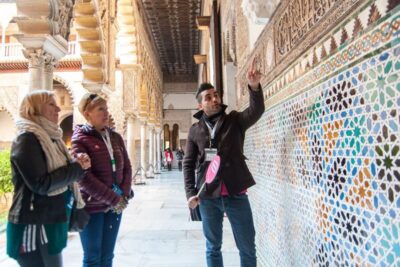
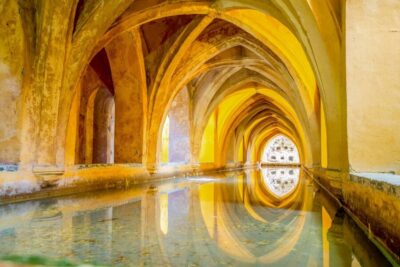
The historic Convent of La Merced frames the visit with Renaissance and Baroque architecture—and you feel it most in the cloisters. You’ll wander through Claustro de los Bojes and the Claustro Mayor, where the space turns loud thoughts into quiet ones. That calm is not wasted time. It’s the reset you need before you start decoding religious scenes, social symbolism, and artistic shifts.
Think of these cloisters as your visual warm-up: stone, light, and symmetry help you notice how artists used form to guide belief. Then the museum rooms pick up that same thread—just with canvases and sculptures instead of arches.
Inside the collection: moving from Gothic Seville to Renaissance change
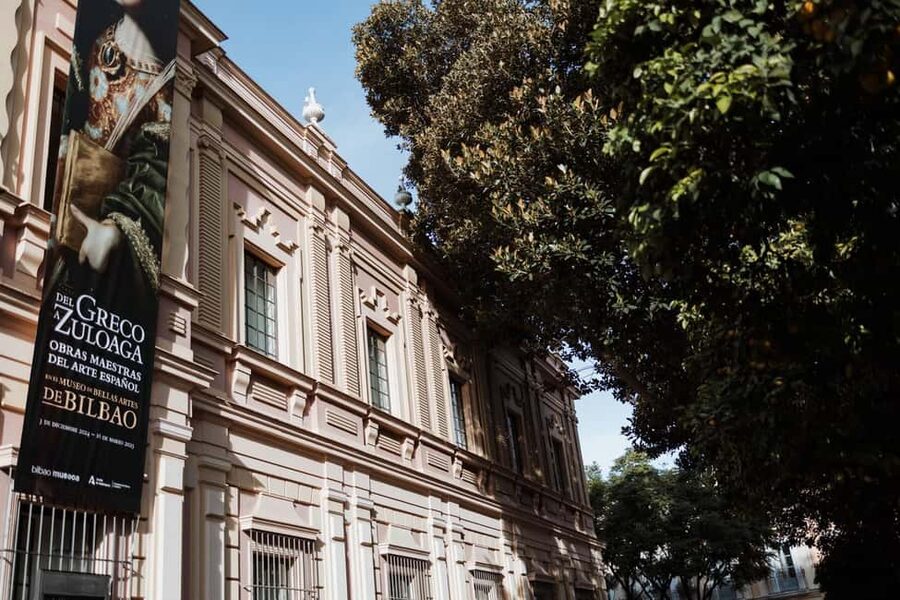
One of the best things about this tour is the way it treats art like evolution, not just decoration. You see Gothic masterpieces from Seville and across Andalusia, and then you watch how the focus changes as you move toward Renaissance thinking.
You’re not just asked to look. You’re guided to compare:
- how figures are posed
- how emotion is staged
- how symbols are used to communicate ideas beyond the visible scene
That’s the kind of context that makes a museum feel less like a checklist and more like a conversation across centuries.
More days made easy by a local guide
Cloisters to paintings: the guide’s job is to connect meaning to time
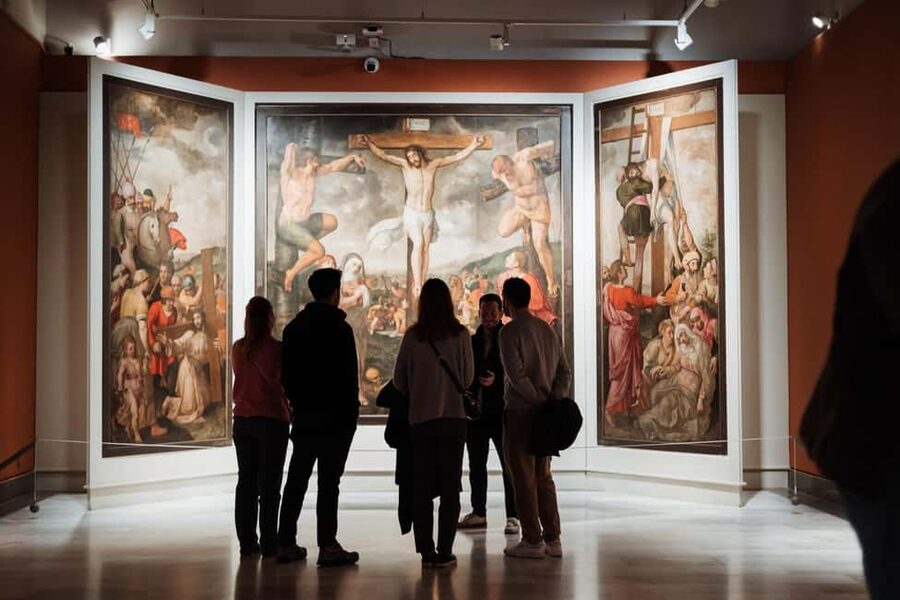
The guide is the difference between seeing art and understanding it. In the reviews, the standout theme is that Julio connects works to their historical moment, and does it in a way that stays digestible whether you know art terms or not.
In real terms, that means you’ll get help with the stuff your eyes catch but your brain skips:
- why a figure is dressed a certain way
- what a detail might be signaling
- how the location and era shape what the artist chose to show
If you’re used to audio guides, you may appreciate the human pacing. An audio track can give facts, but a guide can also answer the question you didn’t know you had. People mention that Julio’s explanations stay engaging and answer tough questions without rushing.
Saint Jerome Penitent by Torrigiano: a highlight with clear payback
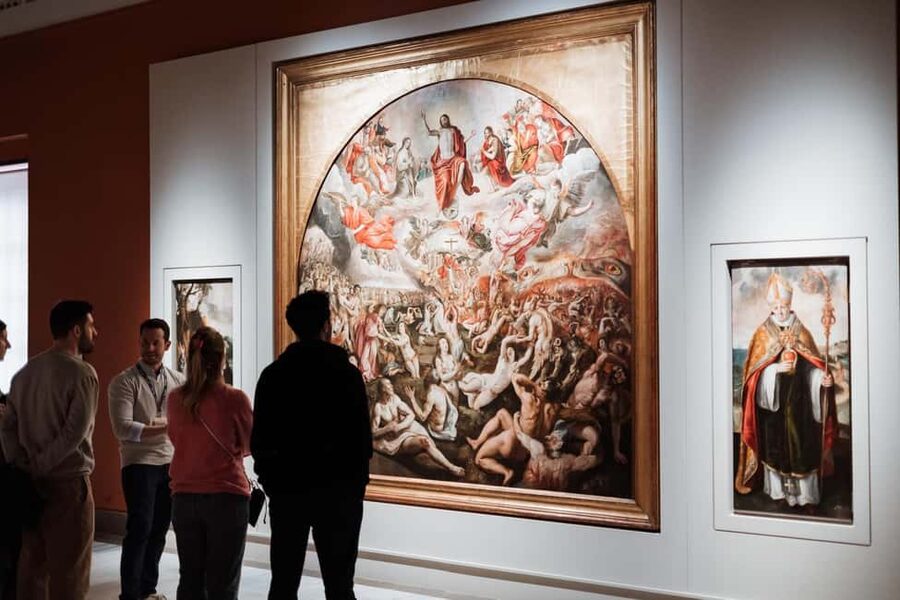
You’ll have time for major works, and one of the named stops is Saint Jerome Penitent by Torrigiano. Even if you’ve never heard of Torrigiano before, this is the type of painting that pays off when you’re given context.
Why? Religious subjects can feel repetitive on first look. But when you learn what’s being emphasized—repentance, discipline, the moral message—the painting becomes specific instead of generic. You start to see how “penitence” is built through gesture, expression, and composition.
And because the tour is structured to show evolution over time, the work isn’t floating alone. It’s placed within a broader story about how ideas moved and changed across Europe.
Murillo’s room: Seville’s spirit on a schedule
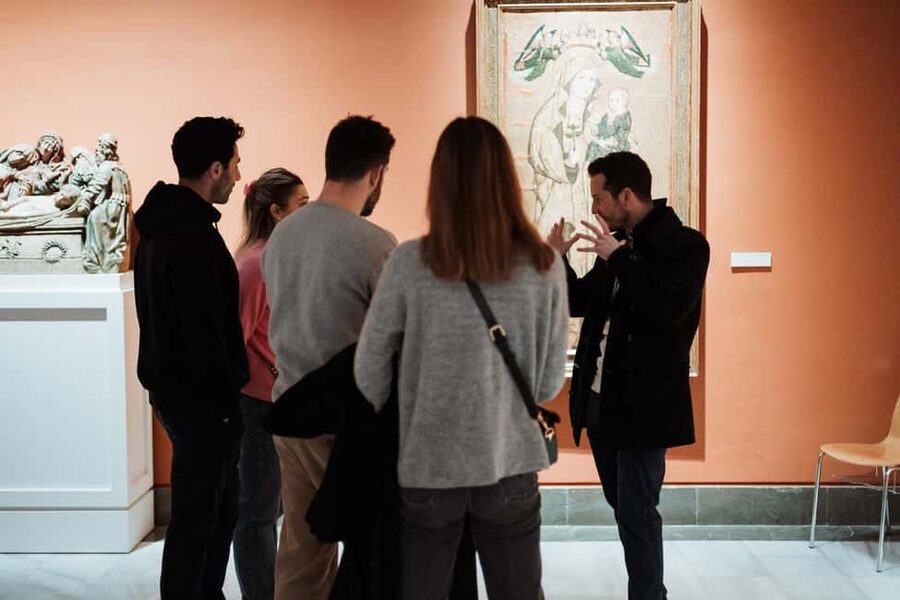
Another strong named focus is the spectacular room dedicated to Bartolomé Esteban Murillo. This is where Sevillian art tends to feel most personal. Murillo’s work—often tied to the character of Seville and its religious and social life—can hit differently when you’re not stuck in museum-mode reading alone.
With a guide, you get more than who painted what. You get why the subject mattered. You also get help noticing how Sevillian themes connect to local life and wider artistic trends.
If you’re a fan of portraits, religious scenes, and human storytelling, this portion is likely to be the part you remember when you’re walking around Seville later in the day.
Claustro Mayor and Claustro de los Bojes: the quiet intermission that changes your viewing
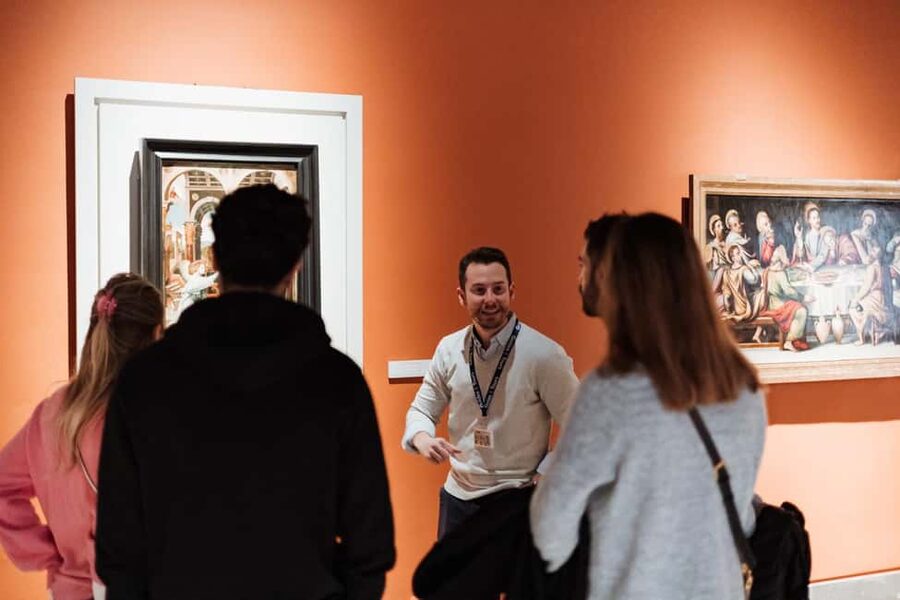
It’s easy to underestimate the value of a short pause inside a cloister. Here, it works because it breaks the museum rhythm.
In the cloisters, you can slow down and look at architecture with the same lens the guide applies to art: light, proportion, and intention. Then, when you re-enter the galleries, you’re more ready to notice details in paintings and sculptures—like how artists “frame” a moment for the viewer.
People also mention that the guide keeps explanations clear and paced for the level of the group. When the tone stays human, you don’t feel like you’re decoding alone.
Practical pacing: how the 2-hour plan feels in real life
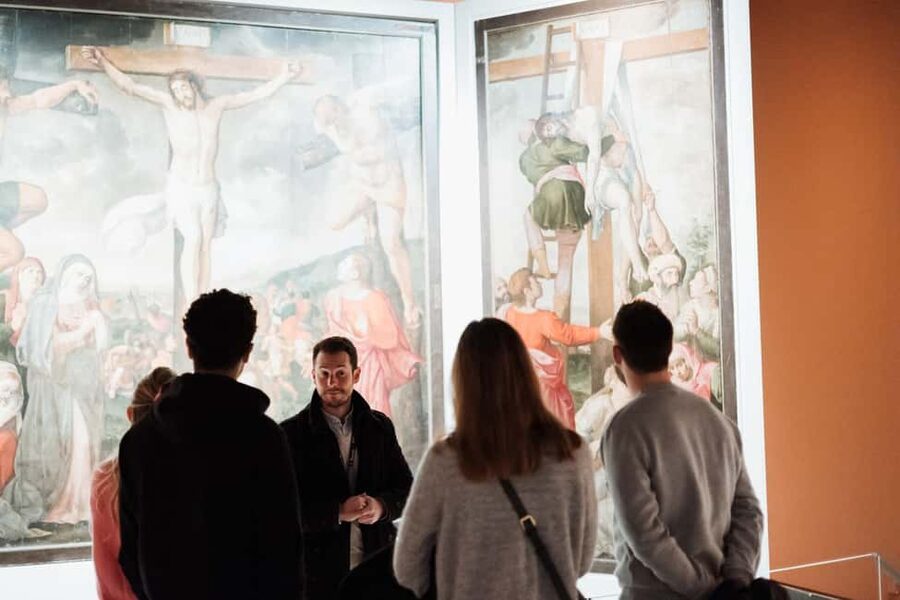
This is a 2-hour guided experience, built around key works and major spaces. That’s good news if you want a high return without committing to a full museum day.
Here’s what that typically means for your expectations:
- You’ll see the convent spaces and major gallery highlights
- You won’t see every room in one go
- You’ll be guided to what’s most important to learn from first
Afterward, you’re free to keep exploring the museum at your own pace if you still have energy. That’s a great option because you can “catch” the parts that resonated during the tour—rather than forcing yourself to cover everything.
Price and value: $23 for entry plus a licensed guide
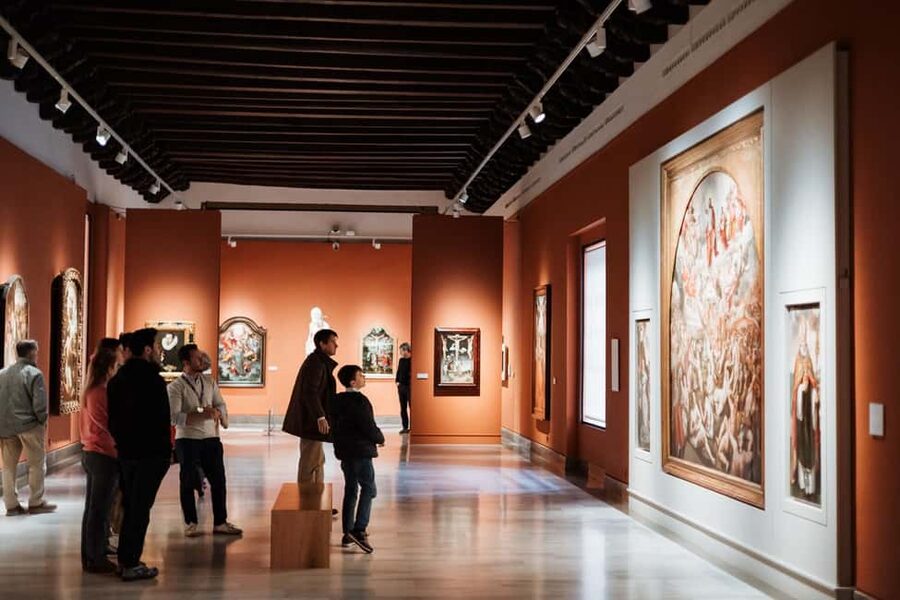
At $23 per person for a 2-hour small-group tour, you’re really paying for two things: museum access and guided interpretation. The inclusion list matters—entrance to the Museum of Fine Arts plus an expert licensed guide in English or Spanish.
For me, the value comes from how much you compress into a short time:
- You don’t spend time building your own art history map
- You get context for major works (instead of guessing)
- You benefit from the small-group size, which keeps the tour interactive
This isn’t a bargain if you’re allergic to structure. But if you like seeing smart selections explained clearly, it’s a solid use of money in Seville.
Who should book this tour?
This tour fits especially well if you want:
- a focused introduction to Seville’s major art periods
- guided context for Renaissance, Baroque, Gothic, and Sevillian Costumbrismo
- a museum visit that feels like a story, not a corridor
It’s also a good pick for mixed groups—people with some art background and people with none. Reviews consistently mention that Julio can pitch the explanations so both kinds of visitors feel included.
If you’re traveling with kids, it can work too, as long as they’re okay with 2 hours indoors. The guide’s ability to make meaning clear seems to help families.
A couple of details worth knowing before you go
- No pets allowed, so plan accordingly if you’re traveling with animals.
- Wheelchair accessible, which is a big plus if mobility access affects your itinerary planning.
- You can choose English or Spanish, so you’re not stuck with a language mismatch.
And if you’re the kind of person who loves special displays, you might spot additional exhibits during your visit. One review mentioned an opportunity to see Pedro Roldán wood carvings on a particular day, which suggests the tour experience can get an extra boost depending on what’s on view.
Should you book the Seville Museum of Fine Arts guided tour?
Yes—if your goal is to understand what you’re looking at without spending a full day figuring it out yourself. This is one of those Seville experiences where the art and the architecture feed each other, and the guide makes the difference between seeing and learning.
I’d skip it only if you’re the type who wants to wander entirely unstructured, reading every label at your own pace. In that case, you may prefer self-guided time and longer gallery stops.
Otherwise, for $23, 2 hours, and a small group guided by someone like Julio, it’s a strong way to get oriented and leave with art that actually sticks.
FAQ
How long is the Seville Museum of Fine Arts guided tour?
The tour lasts 2 hours.
How much does the tour cost?
The price is $23 per person.
What’s included in the price?
The tour includes entrance to the Museum of Fine Arts of Seville and an expert licensed guide (English or Spanish). It also runs as a small group for a more personalized experience.
Is the guided tour in English or Spanish?
Yes. The live guide is available in English or Spanish.
Where do I meet the guide?
Meet at Plaza del Museo, next to the statue of Murillo. The guide will be waiting with a blue umbrella or a name tag that says Sevilla Guías & Tours.
Is there skip-the-line entry?
Yes. The tour includes an express security check.
Is the tour wheelchair accessible?
Yes, it is wheelchair accessible.
Can I cancel for a full refund?
Yes. Free cancellation is offered up to 24 hours in advance for a full refund.
Are pets allowed on the tour?
No. Pets are not allowed.
More Tours in Seville
- Seville: Alcázar, Cathedral & Giralda Skip-the-Line Tour
★ 4.8 · 11,525 reviews - Seville: Cathedral, Giralda & Alcazar Entry With Guided Tour
★ 4.6 · 8,560 reviews - Seville: Priority Access Cathedral, Giralda & Alcázar Tour
★ 4.8 · 7,563 reviews - Seville: Alcázar and Cathedral Entry Ticket and Guided Tour
★ 4.6 · 5,056 reviews - Seville: City Sightseeing Hop-On Hop-Off Bus Tour
★ 4.0 · 4,633 reviews
More Tour Reviews in Seville
- Seville: Live Flamenco Dancing Show Ticket at the Theater
★ 4.7 · 16,396 reviews - Seville: Alcázar, Cathedral & Giralda Skip-the-Line Tour
★ 4.8 · 11,525 reviews - Seville: 1-Hour Guadalquivir River Sightseeing Eco Cruise
★ 4.2 · 10,281 reviews - Seville: Setas de Sevilla Entry Ticket
★ 4.6 · 8,901 reviews - Seville: Cathedral, Giralda & Alcazar Entry With Guided Tour
★ 4.6 · 8,560 reviews
Indoors in Seville: More Collections
- Seville: Puro Flamenco Show with Optional Museum Ticket
★ 4.8 · 6,088 reviews - Seville Aquarium Admission Ticket
★ 4.6 · 1,947 reviews - Seville: Museum of Illusions Entry Ticket
★ 4.2 · 1,196 reviews - Seville: Puro Flamenco Show – Museo del Baile Flamenco
★ 5.0 · 781 reviews - A Fantastic Visit To The Museum Of Illusions Seville
★ 4.5 · 390 reviews
Just added to the Seville list


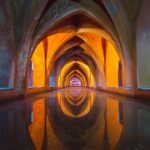

Seville Museums & Galleries, compared.
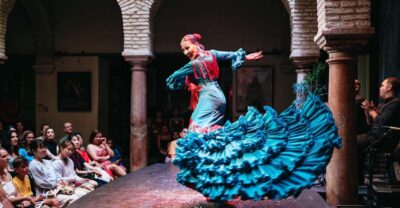 ★ 4.8Puro Flamenco Show with Optional Museum TicketFrom $346,088 reviews
 ★ 4.6Seville Aquarium Admission TicketFrom $201,947 reviews
 ★ 4.2Museum of Illusions Entry TicketFrom $171,196 reviews
 ★ 5.0Puro Flamenco Show – Museo del Baile FlamencoFrom $35781 reviews
 ★ 4.5A Fantastic Visit To The Museum Of Illusions SevilleFrom $18390 reviews
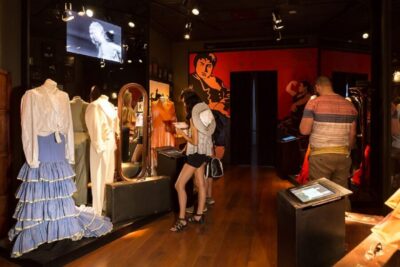 ★ 4.4Museum of Flamenco Dance Admission TicketFrom $7197 reviews
★ 4.0Seville Aquarium Admission TicketFrom $20185 reviews
★ 4.4Museum of Flamenco Dance Admission TicketFrom $7197 reviews
★ 4.0Seville Aquarium Admission TicketFrom $20185 reviews
 ★ 4.5Combined ticket: Puro Flamenco Show + Flamenco Museum visitFrom $39132 reviews
Browse the lists this tour appears in