
Review · SEVILLE OLD TOWN WALKS
Carmona: City Walking Tour
Carmona packs a lot into two hours. Starting at the Puerta de Sevilla, this guided walk takes you past major stops and lets you read the town’s 3,000-year story in real time. I particularly like how the route mixes famous monuments with the kind of street-level details you’d miss on your own, including the church architecture and viewpoints that make the effort feel worth it.
Two things I really like: the Mudejar and Baroque churches are highlighted without turning into a lecture, and the price-to-time value is strong for a professional guide (about $18 for a full 2-hour circuit). One drawback to keep in mind is that group language balance can vary; a few people noted issues when the group included multiple languages and the guide focused more on one side than the other.
If you want calm, clear explanations in your preferred language, pick a time when the operator lists your language. And wear comfortable shoes—Carmona is historic and walkable, but it’s still streets on foot for the whole tour.
In This Review
- Key Points You’ll Actually Care About
- Why Carmona Makes Sense as a Guided 2-Hour Walk
- Getting Started at Puerta de Sevilla: Your “Why This Place Matters” Moment
- Plaza de San Fernando and the Center of Town Energy
- Church of Santa María: Not Just a Pretty Building
- Iglesia de Santiago and the Mudejar-Baroque Connection
- Roman Clues Along the Way: Cardo Máximo and the Logic of the Old Town
- Gate to Córdoba and the Alcázar Del Rey Don Pedro
- Parador de Turismo de Carmona Stop: A Photo That Explains the Town
- Ending at the Vega de Carmona Viewpoint: Why the Finish Matters
- Price and Logistics: Is $18 a Good Deal?
- Who Should Book This Tour (And Who Might Skip It)
- Should You Book This Carmona Walking Tour?
- FAQ
- Where does the Carmona walking tour start?
- How long is the tour?
- What is the price?
- What is included in the tour?
- Is food or drinks included?
- What languages are available?
- Do I need to speak a specific language?
- What should I bring?
- Is there a student discount?
- Can I cancel and get a full refund?
- Is pay later an option?
Key Points You’ll Actually Care About
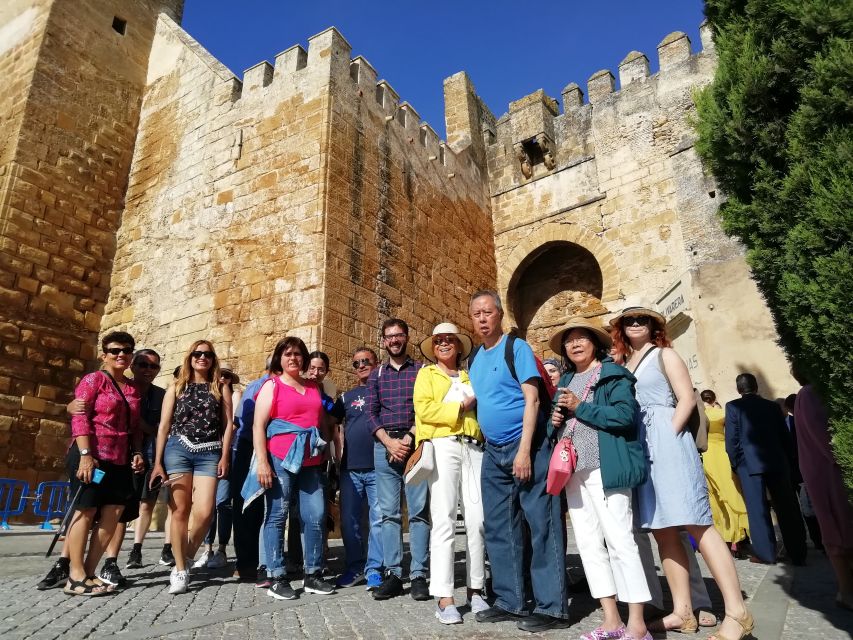
- Start at Puerta de Sevilla and build your bearings from one of Carmona’s most important gateways
- Mudejar + Baroque churches show how different cultures left physical marks in the same neighborhoods
- The Alcázar sequence helps you understand the town’s power centers, not just its pretty facades
- Roman clues like the Cardo Máximo are pointed out so the old town feels logical
- End on a viewpoint with wide vistas toward the Vega de Carmona, giving the walk a satisfying finish
- Short stops, steady pacing make it doable even if you only have a morning or afternoon free
Seville on foot, a few more walks
- Carmona: City Walking Tour★ 3.9 · 21 reviews
Why Carmona Makes Sense as a Guided 2-Hour Walk
Carmona is one of those Andalusian towns where everything seems historic, even when you’re just walking from one corner to the next. A self-guided visit can work, but a guided tour helps you connect the dots—who ruled, what was built, and why the streets feel the way they do.
With two hours, you’re not trying to cover every street in the old center. Instead, you follow a curated path through gateways, churches, and palace-like sites, so you get the “big picture” without ending the day exhausted.
This is also a good fit if you like architecture that shows layers: Roman traces, Islamic-era influence (Mudejar), and later Christian additions (including Baroque touches). The tour is structured around that idea: you see key buildings, then you learn how the town became what it is.
Getting Started at Puerta de Sevilla: Your “Why This Place Matters” Moment
The meeting point is in front of the Puerta de Sevilla, and the tour begins by anchoring you to the town’s gateway world. From there, you head to the Alcázar de la Puerta de Sevilla for a short photo stop and guided context.
Puertas (city gates) in Spain are never just decorative. They’re about control—of movement, trade routes, and power. In Carmona, that matters because the town’s story is shaped by repeated cultures taking hold of the same strategic location. When you start at the gateway, everything you see later feels connected, not random.
You’ll also walk along for a bit on foot right away. That early stretch matters: it helps you get used to Carmona’s feel—tight streets, stone surfaces, and the way the old quarter changes character block by block.
Plaza de San Fernando and the Center of Town Energy
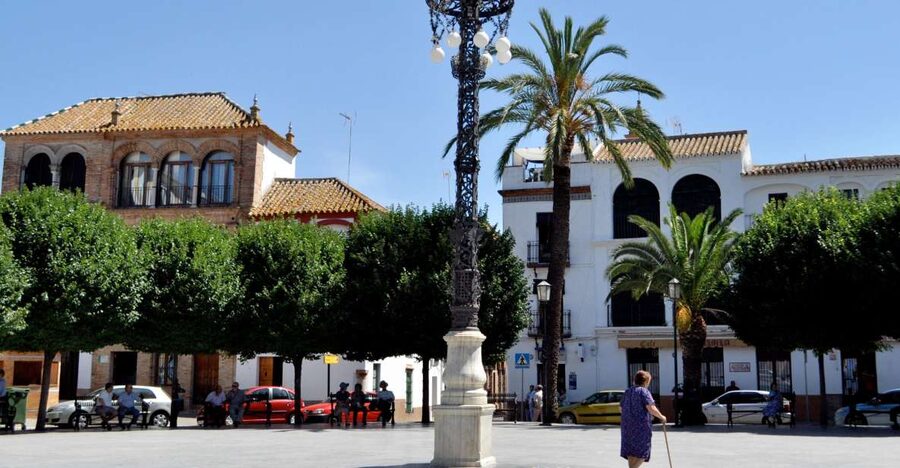
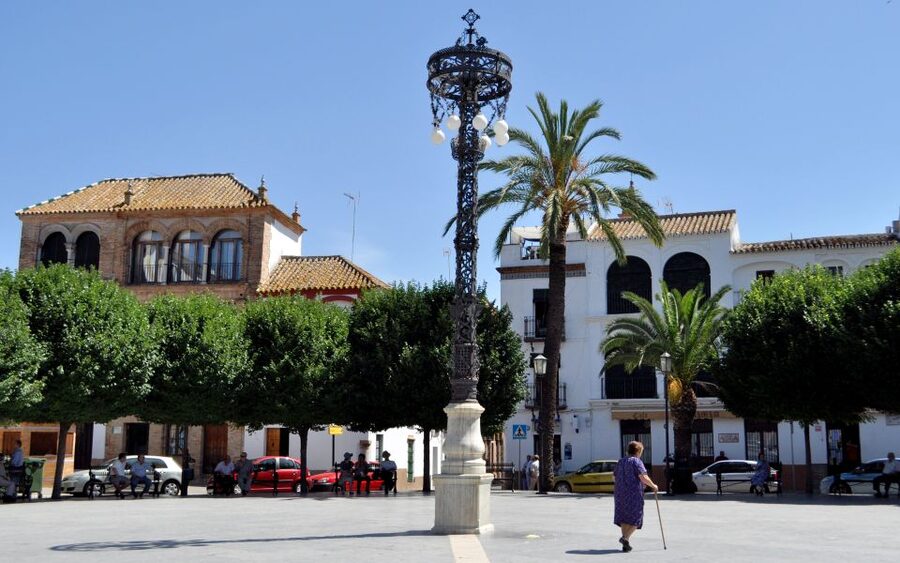
Next up is Plaza de San Fernando, a photo stop with guided explanation. Plazas like this are where a town breathes. Even if you’re not lingering for a long break, you’re using it the right way: as a reset point between more intense monument stops.
From here, the tour keeps moving toward religious architecture, which is one of Carmona’s strongest storytelling tools. Churches weren’t just worship spaces. They often became the visual centerpiece of a community—built, adapted, and reshaped across centuries.
So when you stand in the plaza and then head toward the churches, you’ll feel the shift: open space to more intricate stonework and symbolic details. That rhythm is one of the reasons this tour works even if you’re not an architecture fanatic.
More short hops out to Carmona
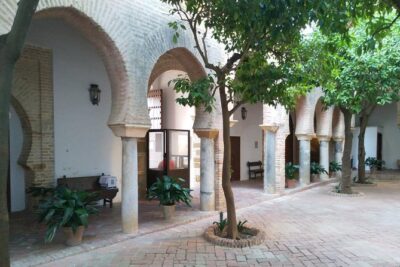
Church of Santa María: Not Just a Pretty Building
At the Church of Santa María, expect another guided photo stop, with time to see the parts that make it visually distinctive. This is where the tour’s “layers of cultures” theme becomes more than a line on a brochure.
You’re not just looking at one era. You’re looking at how different periods left marks in the same religious site language. The tour’s focus on Mudejar influence is important here. Mudejar-style design—often associated with the blend of Islamic artistic influence within Christian contexts—can be subtle at first glance. A guide helps you spot what you’d otherwise skim past.
If you care about architectural details, this is the stop where you’ll start slowing down naturally. Even if you only catch a few key features, the guide’s framing helps you understand what you’re seeing and why it matters.
Iglesia de Santiago and the Mudejar-Baroque Connection
After a short walking segment, you reach Iglesia de Santiago for a guided photo stop. This stop keeps the momentum toward church architecture and continues the theme of changing styles across time.
What I like about how this tour handles churches is that it doesn’t treat them like separate “random sights.” You get a sequence: you’ll see how Carmona’s religious buildings reflect different historical waves.
This also sets you up for the next section at the gates and palace-like structures. Religious sites explain the town’s cultural priorities, while the Alcázars and gates explain its power structure.
Roman Clues Along the Way: Cardo Máximo and the Logic of the Old Town
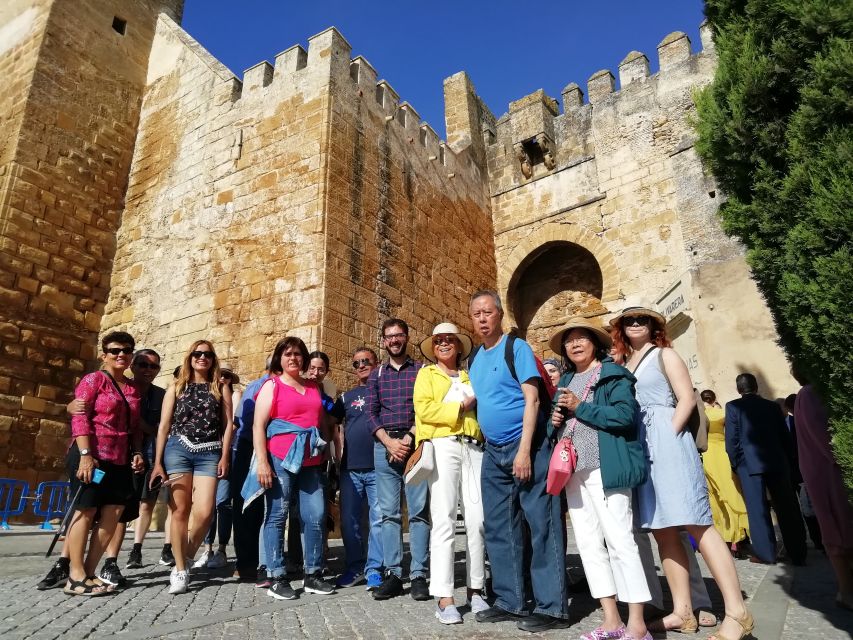
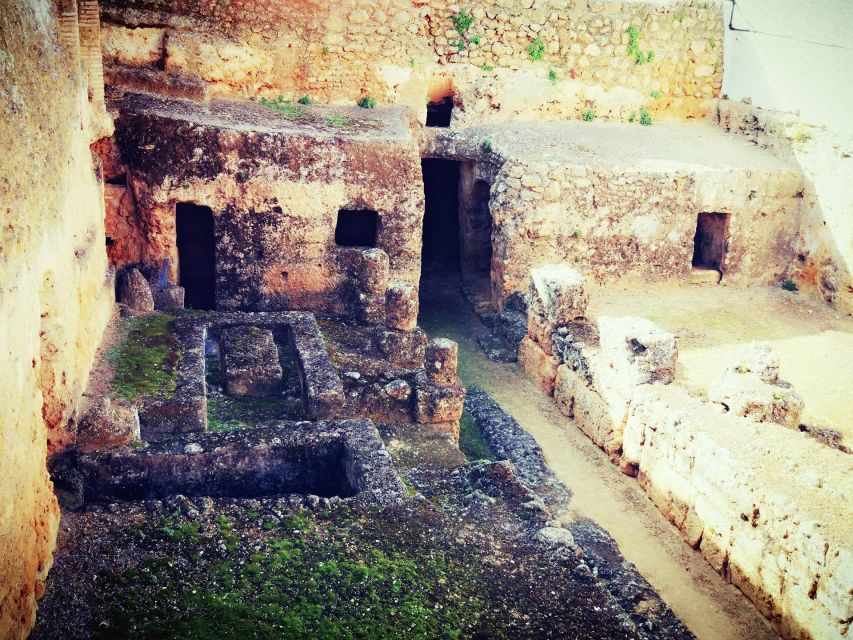
One of the tour’s clever touches is pointing you to Roman planning logic—especially the Cardo Máximo from Roman times. You’re not being asked to become a Roman scholar. You just get enough context to understand why certain streets feel like they lead somewhere important.
When a guide connects a straight, main-feeling street to its Roman roots, the old town suddenly feels intentional. It’s no longer “weird alleys.” It’s a living map of earlier transport and governance patterns.
This is exactly the kind of information that makes a guided walk worth it, even when the route includes mostly short photo stops. You leave with a mental framework you can use later if you wander on your own.
Gate to Córdoba and the Alcázar Del Rey Don Pedro
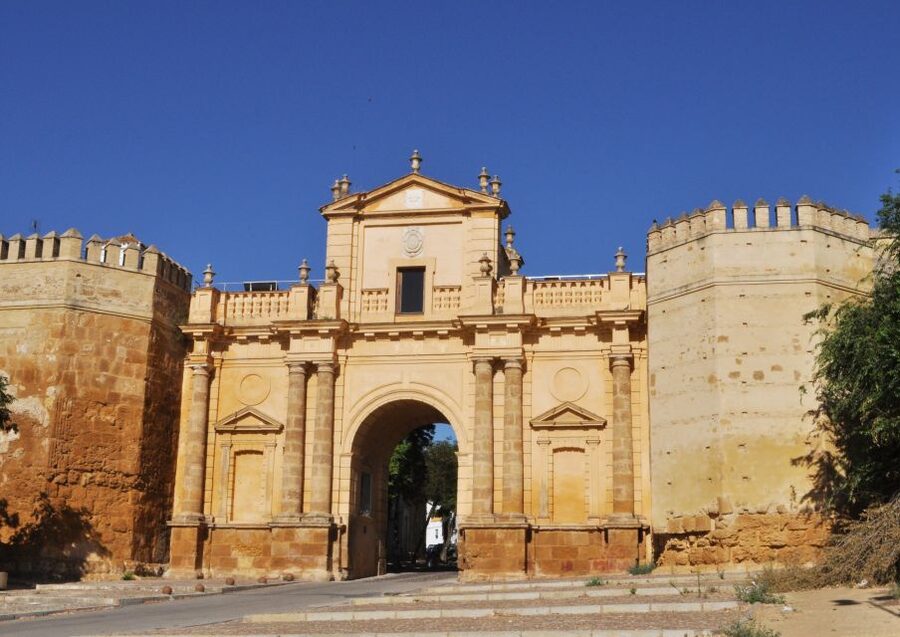
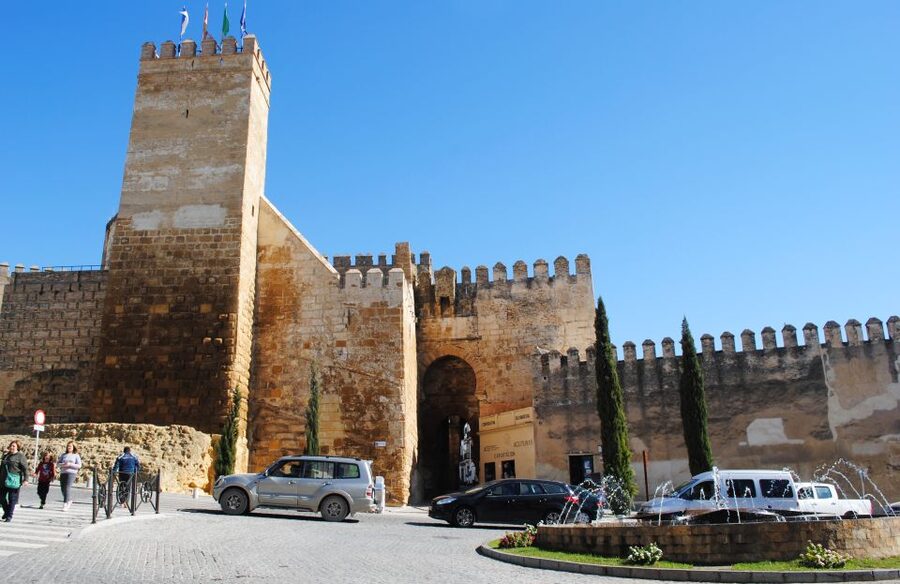
The biggest mid-to-late highlight is at the Puerta de Córdoba (Gate to Córdoba), followed by time to reach the Alcázar del Rey Don Pedro area.
The gate is handled with extra emphasis here, including a longer guided photo stop—time matters because gates are visual and symbolic. They’re also where you can see how the town opens and closes, how movement was controlled, and how strategic Carmona had to be.
Then the tour pushes toward the Alcázar zone. The description also mentions the three Alcazares, so you’ll be seeing part of a larger palace-holdings story even within the tight 2-hour window. The goal isn’t to tour every room. It’s to help you understand why these palace-like sites were central to Carmona’s identity.
If you like royal history but don’t want a long museum day, this pacing is a good compromise. You get the monuments’ meaning without the time sink.
Parador de Turismo de Carmona Stop: A Photo That Explains the Town
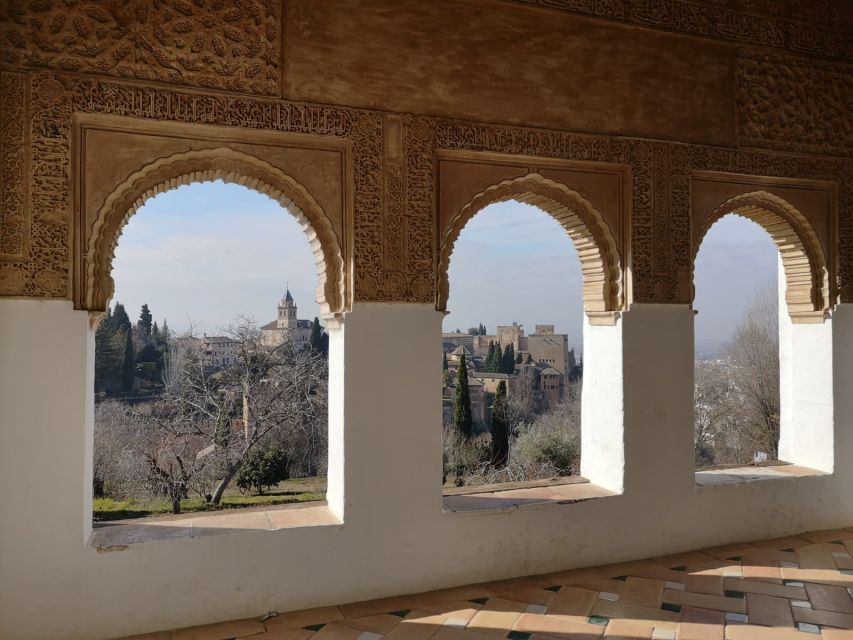
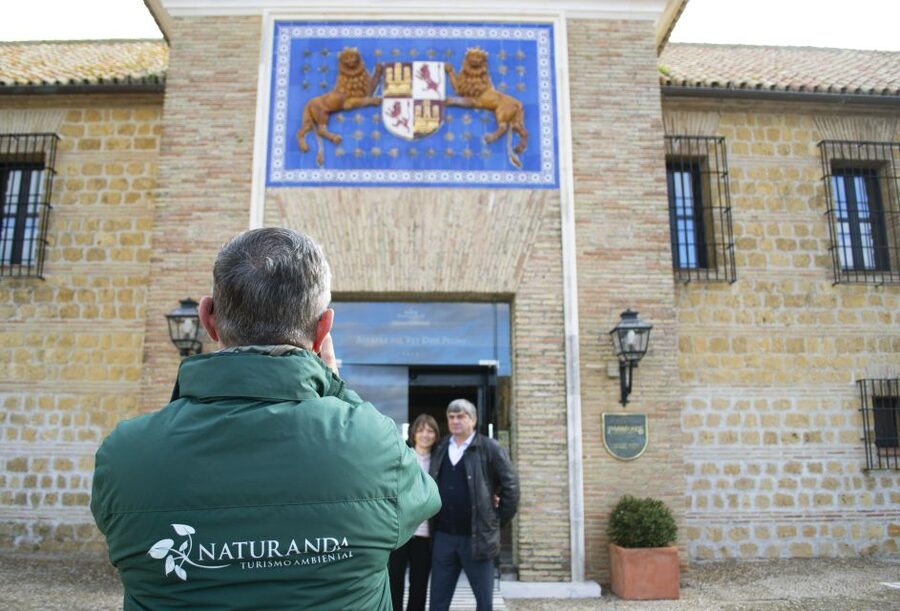
As the tour heads back toward the end, you’ll reach the Parador de Turismo de Carmona for another guided photo stop.
A Parador stop is often a smart move because it gives you a “wow” view of historic Spain without requiring you to pay for a separate entry elsewhere (based on what’s included in this tour). It’s also a chance for the guide to tie the architecture back into the town’s story one last time.
Even if you don’t go inside anything, you’ll likely have enough context to appreciate why this setting feels like a natural landmark. It sits in that in-between space where Carmona’s history turns into a modern tourist viewpoint.
Ending at the Vega de Carmona Viewpoint: Why the Finish Matters
At the end, the tour stops at an excellent viewpoint with big vistas over the Vega de Carmona.
This is more than a photo moment. It helps you understand geography—how Carmona sits in relation to the countryside around it. Once you’ve seen the panorama, the earlier stops click into place even better, because you can imagine why gates and palaces mattered so much.
It’s also a practical finishing strategy. A viewpoint is one of the best ways to end a walking tour because it lets your feet rest while your brain still feels engaged.
Price and Logistics: Is $18 a Good Deal?
For about $18 per person and 2 hours with a professional guide, this tour is strong value if your goal is monuments + explanation rather than wandering alone.
Here’s the tradeoff: the tour is walk-focused and uses short guided/photo intervals. That keeps the pace manageable, but it also means you won’t have time for long museum-style visits at every stop. If you’re the type who wants to sit in one church for 45 minutes, you may feel the stops are “brief but meaningful.”
On the practical side:
- You should plan to walk the whole time (so comfortable shoes are non-negotiable).
- You’re not purchasing food or drinks during this tour, so bring your own plan for a snack nearby after.
- Language options include English, Spanish, French, and Italian, but a mixed group can affect how consistently each language is used.
If your language preference is important, consider choosing a time you expect the group to be mostly in that language. It’s the one variable that can make or break the experience.
Who Should Book This Tour (And Who Might Skip It)
This is a great fit for you if:
- you want a short, structured way to understand Carmona’s layered history
- you like churches and gates as storytelling tools
- you want a guided route that ends with wide views instead of a rushed exit
You might skip or adjust expectations if:
- you expect long interior time in multiple sites
- you prefer slow, unhurried exploration with lots of room to linger in details
- you’re sensitive to language balance in mixed groups
It’s a solid choice as a first visit to Carmona, especially if you’re only passing through for a half-day.
Should You Book This Carmona Walking Tour?
If you’re looking for a fast way to get oriented and learn why Carmona feels the way it does, I think you should book it. The route hits key gateways, church architecture with Mudejar and Baroque influence, and the Alcázar power-center story, then caps it with Vega de Carmona views.
Just do one smart thing before you go: check the language you’ll get and set your expectations for short stops rather than long entries. If your guide matches your language and you like walking + explanations, this is one of the better value ways to experience Carmona in a tight timeframe.
FAQ
Where does the Carmona walking tour start?
Meet your guide in front of the Puerta de Sevilla.
How long is the tour?
The tour lasts 2 hours.
What is the price?
The price is $18 per person.
What is included in the tour?
It includes a walking tour and a professional guide.
Is food or drinks included?
No, food and drinks are not included.
What languages are available?
The live guide is available in English, Spanish, French, and Italian.
Do I need to speak a specific language?
No, the tour offers live guidance in multiple languages, but your experience may depend on the group language mix.
What should I bring?
Bring comfortable shoes for walking.
Is there a student discount?
Yes. The student price is for students up to 25 years old with a valid, updated student card.
Can I cancel and get a full refund?
Yes, you can cancel up to 24 hours in advance for a full refund.
Is pay later an option?
Yes. You can reserve now & pay later to keep your plans flexible.
More Tour Reviews in Carmona
- Private visit to Carmona and its main monuments
★ 5.0 · 23 reviews - Carmona Roman Necropolis and History Walking Tour
★ 4.0 · 5 reviews
More Short Hops to Carmona
- Private visit to Carmona and its main monuments
★ 5.0 · 23 reviews - Carmona Roman Necropolis and History Walking Tour
★ 4.0 · 5 reviews
More Walks Through the Old Town
- Carmona Roman Necropolis and History Walking Tour
★ 4.0 · 5 reviews
Just added to the Seville list
Seville Old Town Walks, compared.
 ★ 5.0Small-Group City Highlights Walking TourFrom $271,204 reviews
 ★ 5.0Cultural Walking Tour of Seville MonumentalFrom $8861 reviews
 ★ 4.9Tapas, Taverns, and History Walking TourFrom $84676 reviews
 ★ 4.9Tapas, Taverns and History Guided Walking TourFrom $99515 reviews
 ★ 4.9Small-Group Jewish Quarter Discovery Walking TourFrom $29499 reviews
 ★ 5.0Seville Guided Small-Group Walking TourFrom $21435 reviews
 ★ 4.7Paranormal and Legends Guided Walking TourFrom $15336 reviews
 ★ 5.0Seville Private Walking Tour with Alcazar & Cathedral TicketsFrom $276332 reviews
Browse the lists this tour appears in