
Review · TOURS
Triana La Flamenca Tour. Includes a visit to the Corrales
Triana has a way of grabbing you fast. This short tour threads together flamenco origins and everyday local life, ending where the neighborhood’s energy keeps flowing. I especially loved the corrales de vecinos visit and the way the guide makes each stop feel like part of one story, not random landmarks. One thing to watch: the tour is in Spanish, and a couple of moments depend on group logistics, so arrive ready to follow along.
If you come for flamenco, you’ll get context, not just performances. I liked that the route includes Triana’s key religious and cultural stops, plus the market and the river-crossing viewpoints that help you understand the neighborhood’s place across the Guadalquivir. The main consideration is pace and noise: if you’re sensitive to groups moving quickly, pick comfortable shoes and stay near the guide.
In This Review
- Corrales First, Flamenco Always: What This Tour Actually Feels Like
- Booking Value: How $11 Buys Real Neighborhood Access
- Meeting at Plaza del Altozano and Orienting on Triana’s Edge
- Torre del Oro and the River-Bridge Mindset
- Santa Ana Area: Where Triana’s Religious Life Becomes Part of the Story
- Chapel of Sailors and Capillita del Carmen: Devotion in Small Spaces
- Getting the Flamenco Root Right: Hermandad, Courtyards, and the Corrales
- San Jacinto and Patio de la Espartería: Serenity and Details You’d Miss
- Ceramics at Santa Ana: Art That Came From Work, Not Performance
- Juan Belmonte and Triana’s Public Faces
- Triana Market and Calle Life: Food, Color, and Everyday Rhythm
- Castillo de San Jorge and the Reales Almonas Tunnels
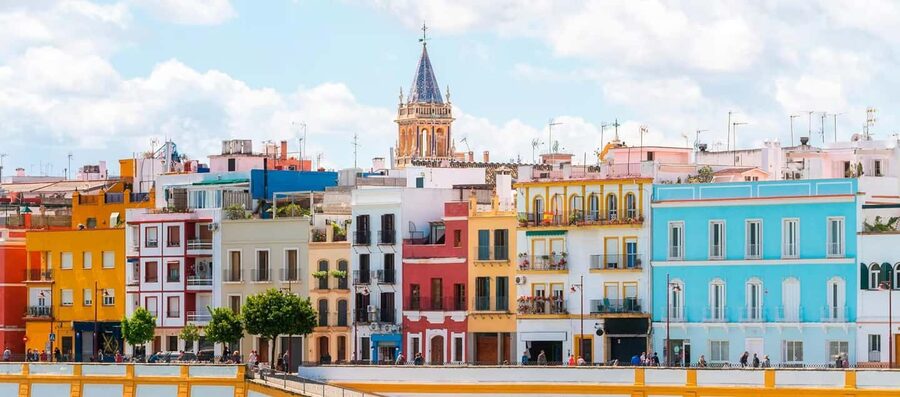
- Finishing on Calle Betis: Where You Can Keep the Night Going
- Key Takeaways Before You Go
- Practical Tips That Make the Tour Easier
- Is This Tour Worth It for Your Time in Seville?
- Should You Book the Triana La Flamenca Tour?
Corrales First, Flamenco Always: What This Tour Actually Feels Like
This is the kind of tour where you start walking and your brain starts changing gear. Triana isn’t presented as a museum; you’re guided through streets, courtyards, and community spaces where the neighborhood’s identity still makes sense. The big idea is simple: to understand Triana, you have to get lost a little, and then learn what you’re seeing.
The highlights don’t stop at big sights. The tour includes a visit to the corrales de vecinos, the shared courtyards that shaped friendships, parties, and the songs people sang together. That matters, because in Triana, flamenco isn’t sold as a show for visitors. It’s framed as a lived expression, something you hear in bars and streets long before a guitar case ever appears.
Not sure yet? See what else in Seville is worth your time.
- Seville: Live Flamenco Dancing Show Ticket at the Theater★ 4.7 · 16,396 reviews
- Seville: Alcázar, Cathedral & Giralda Skip-the-Line Tour★ 4.8 · 11,525 reviews
- Seville: 1-Hour Guadalquivir River Sightseeing Eco Cruise★ 4.2 · 10,281 reviews
Booking Value: How $11 Buys Real Neighborhood Access
At about $11 per person for a 2-hour walk, this is strong value in a city where short guided experiences often cost much more. You’re not just paying for a map and a few photos. You’re paying for entry and access to places that are harder to piece together on your own in the time you have.
You also get the benefit of someone local who knows how to connect the dots. In the feedback I saw, guides like Concha and Martha were praised for explaining how history sits behind buildings, corners, ceramics, and everyday routines. That kind of guidance is exactly what turns a stroll into understanding.
Meeting at Plaza del Altozano and Orienting on Triana’s Edge
You start at Plaza del Altozano, by the Flamenco Monument. This is a smart starting point because it gets you in Triana proper early, before the tour breaks into the older lanes and the more hidden courtyards.
Before you even get fully inside the neighborhood vibe, you get orientation with river-and-bridge context. You’ll pass by viewpoints and connections tied to the Guadalquivir, including the famous Puente de Isabel II. That stretch helps you understand why Triana feels both connected and separate from Seville’s historic center.
Torre del Oro and the River-Bridge Mindset
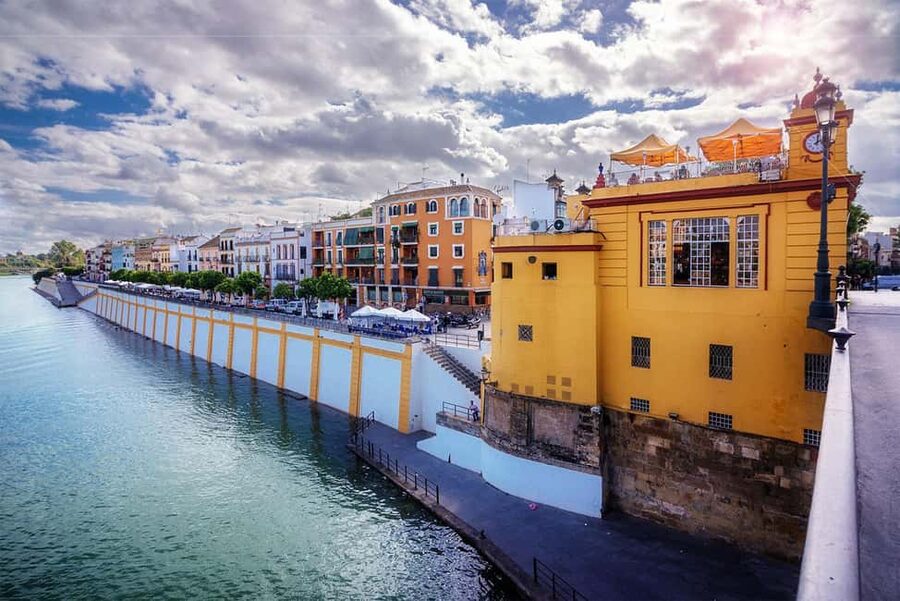
The tour includes the Torre del Oro area as part of the guided flow. Even if you’ve seen towers and river views before, here it’s used as a way to anchor geography. You’re learning why the river matters to Triana’s history and identity.
Then the route continues across bridges, including the Puente de San Telmo and the Puente de Isabel II. This is more than scenery. It’s a quick lesson in how neighborhoods form their own personality across a natural boundary.

Santa Ana Area: Where Triana’s Religious Life Becomes Part of the Story
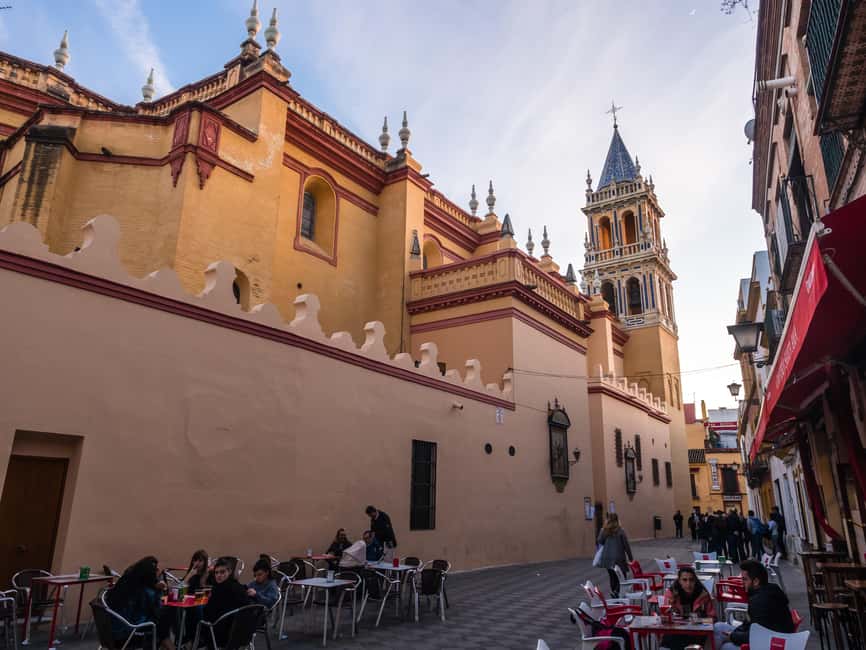
Next you move into the Santa Ana area with stops around Plazuela de Santa Ana and the Real Parroquia de Señora Santa Ana. This is one of those parts of Seville where the church isn’t just a building. It feels like a neighborhood landmark people grew up around.
You’ll also visit the Hermandad de la Estrella (Triana) and then continue toward Triana’s religious emblems. The tour’s religious stops are useful because they connect art, tradition, and community life. In Triana, the sacred isn’t separate from everyday rhythm.
Chapel of Sailors and Capillita del Carmen: Devotion in Small Spaces
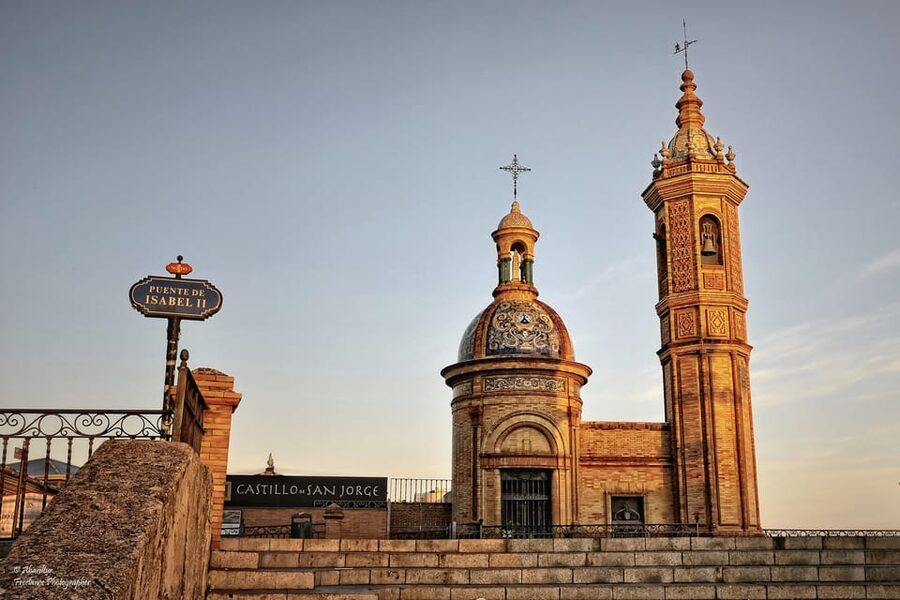
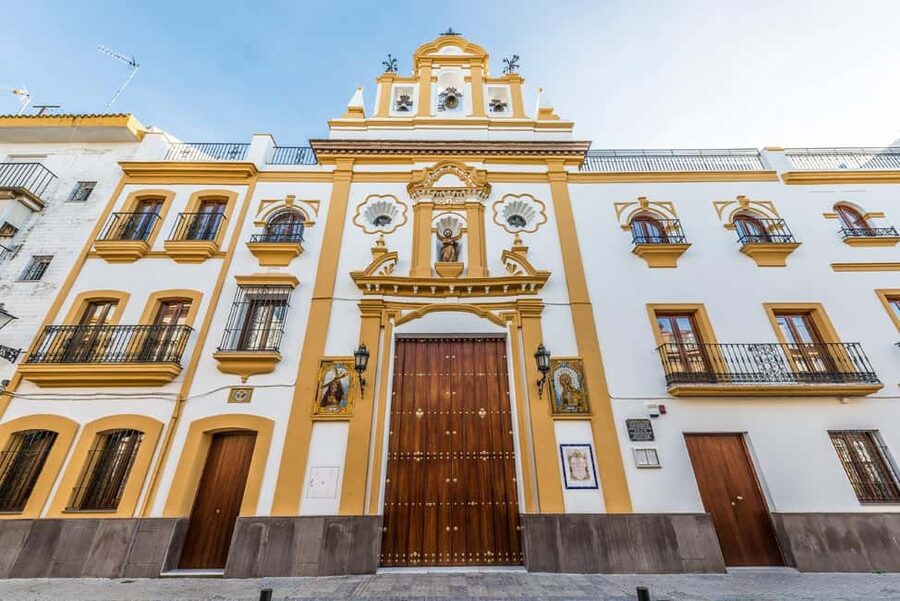
The tour includes the Chapel of Sailors and also visits the Capillita del Carmen. These are the kinds of places where you can’t fully appreciate them just by walking past.
What I like about including these stops is that it widens your idea of what Triana is. Yes, flamenco and courtyards matter. But faith and local devotion also shaped the neighborhood’s public identity, the rhythms of ceremonies, and the tone of daily life.
Getting the Flamenco Root Right: Hermandad, Courtyards, and the Corrales
The tour is built around understanding flamenco as something rooted in place. When you enter the corrales de vecinos, you’re stepping into the architecture that made shared life possible. These community courtyards were where people lived close together, celebrated, worked, and sang.
This is the moment that often changes how you look at the rest of Triana. Once you’ve seen a corral, a street corner, a balcony, or a bar feels different. The tour’s framing helps you connect the physical space to why music and social life grew the way they did.
San Jacinto and Patio de la Espartería: Serenity and Details You’d Miss
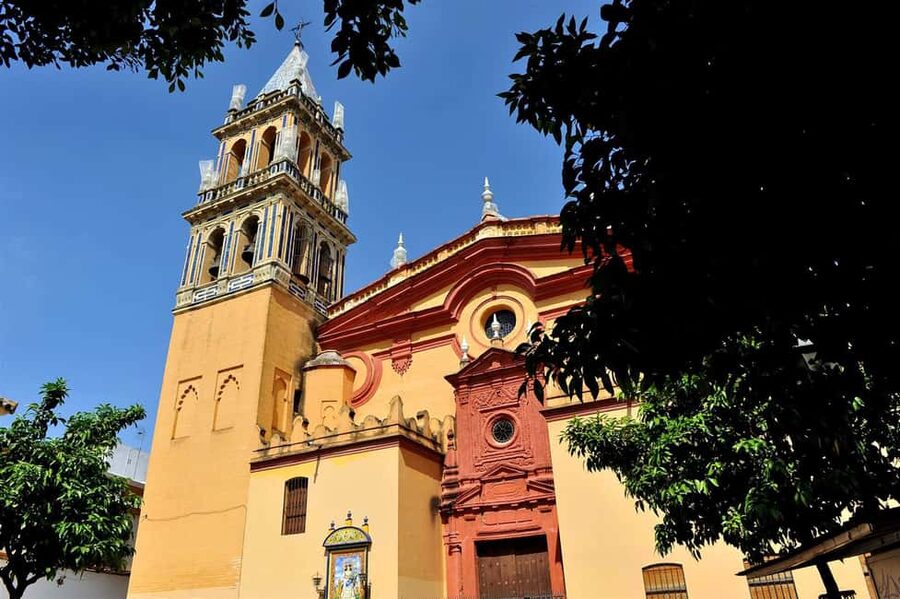
Included on the route is the Dominican Convent of San Jacinto, plus time around the Patio de la Espartería, known for its distinct architecture. These stops slow the pace, which is welcome in a walk built around tight streets and frequent turns.
Convents and patios can easily become “another stop.” Here, they work because they balance the tour: one part is community noise, courtyards, and market life; the other part is quiet stone, shade, and the feeling that Triana has spaces for reflection as well.
Ceramics at Santa Ana: Art That Came From Work, Not Performance

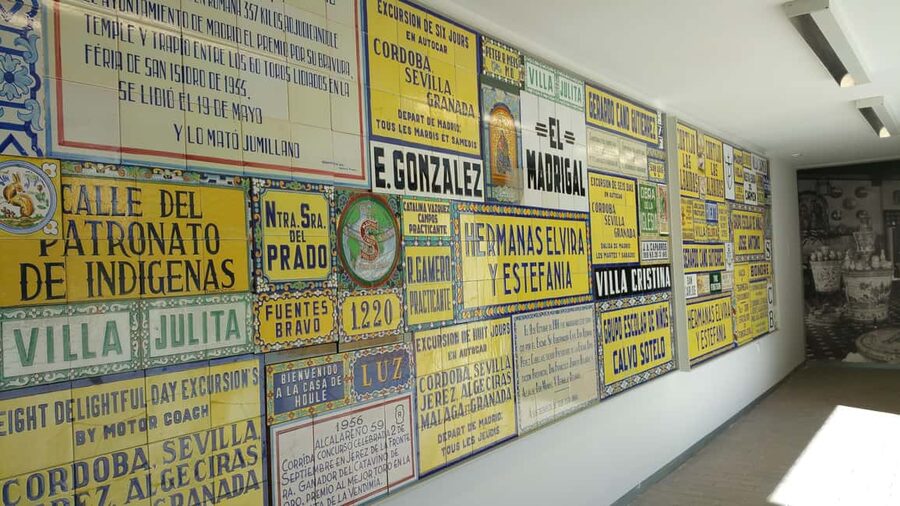
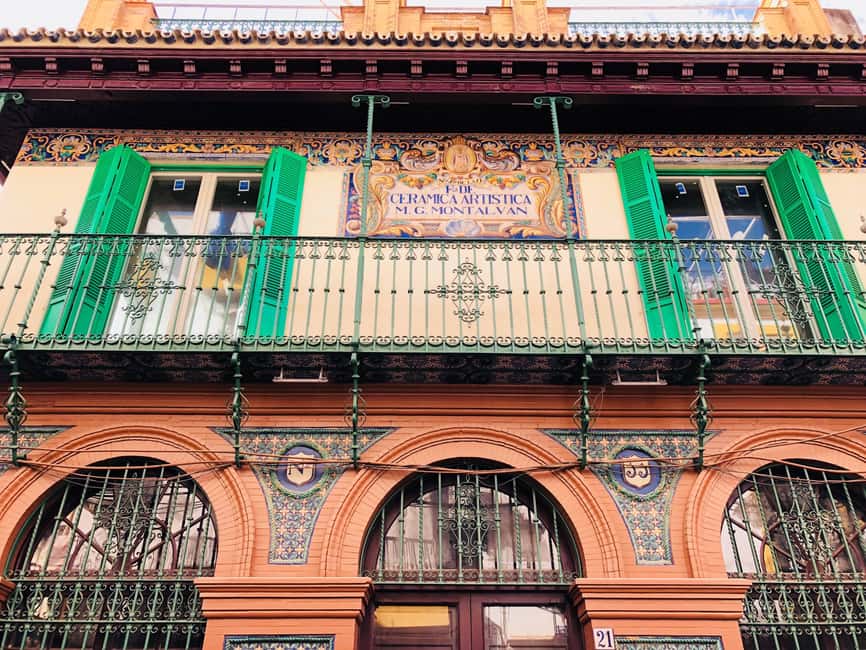
One of the most practical and memorable inclusions is the San Ana Ceramics Factory, where tradition is described as still alive. Ceramics in Triana aren’t just souvenirs. They’re presented as craft tied to local industry and the furnaces of Santa Ana.
I like this stop because it keeps the tour grounded in reality. Flamenco gets attention, and rightly so, but the neighborhood also created other forms of art. Tiles, ceramics, and the visual language they brought into homes and public spaces help you understand why Triana’s streets look the way they do.
Juan Belmonte and Triana’s Public Faces
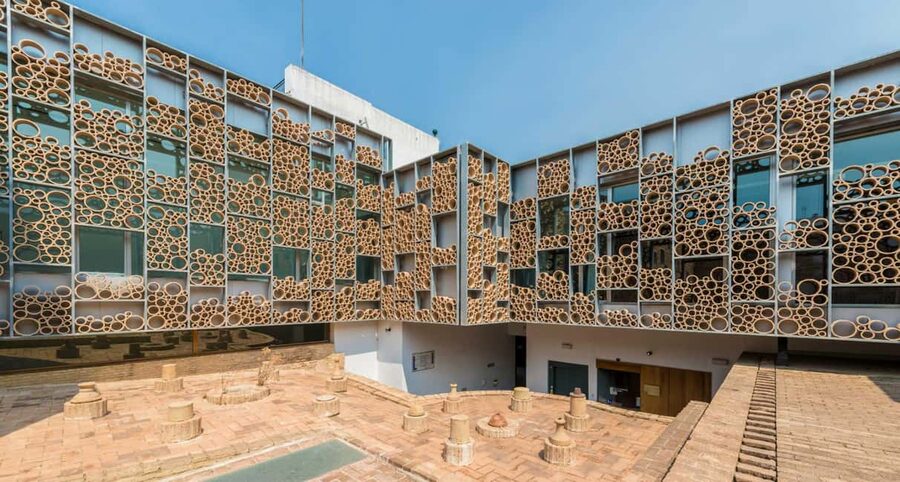
You’ll also make a guided stop connected to Juan Belmonte, which adds another layer to Triana’s cultural identity. Even if you’re not a specialist, these references give your walk a sense of people behind the place: the figures and traditions that turned local life into lasting memory.
Triana Market and Calle Life: Food, Color, and Everyday Rhythm
The tour includes the Triana Market and a walk through areas like Betis and San Jacinto streets. This is where Triana feels most immediate. Market energy is different from cathedral energy. It’s about real routines, real shopping, and real conversations.
If you want the tour to lead to a good meal, this is the part that helps. The tour doesn’t just point you toward food. It places you inside the neighborhood’s current life, so you can choose what fits your taste and time.
Castillo de San Jorge and the Reales Almonas Tunnels
The walk reaches the Castillo San Jorge, another “important because it explains the layers” stop. Triana has different eras stacked together, and this is where history becomes physical.
Even more striking is the included visit to the tunnels of the Reales Almonas Almohades. You’re guided into underground remains tied to how local production worked, including the mention of soap-making associated with the Almonas. Underground stops like this are valuable because they make Triana’s story feel older than most neighborhood walks.
Finishing on Calle Betis: Where You Can Keep the Night Going
The tour ends about 2 hours later on Calle Betis. That’s a smart finish because it drops you into a street where the neighborhood’s bar culture and social life keep moving. You’re not forced to leave Triana right after the last explanation.
If you plan to keep walking or sit down to eat, this ending point helps. It also gives you a sense of how Triana transitions from guided route to free time.
Key Takeaways Before You Go
Corrales de vecinos are the main character: This is where Triana stops being theory and becomes lived space.
Two guides I’ve seen praised: Concha and Martha: The best experience often comes from a guide who clearly links architecture to history.
You’ll get religious and craft stops: Santa Ana church areas, Chapel of Sailors, and ceramics make the story wider than flamenco.
Market time matters: Triana Market is included, so you can turn your walk into a food plan.
Underground history is part of the route: Reales Almonas tunnels and Castillo San Jorge add real depth fast.
Flat walk, good shoes still matter: The route is said to be flat, but Triana’s streets call for comfort.
Practical Tips That Make the Tour Easier
I’d come prepared for a lot of turns and some time indoors in churches and courtyards. The route is described as flat with no hills, but that doesn’t mean it’s “easy” on your feet—Triana streets and steps add up.
Bring water and comfortable shoes. If you’re going in summer, plan on walking through shaded areas when possible; if it’s winter, the sun becomes your friend. When it rains, the tour uses strategic roofed stops so you don’t lose the route, but you’ll still want to be comfortable outside.
Since the tour is in Spanish, having a mobile phone with WhatsApp can help you communicate if you need to confirm anything on the day. And if your guide is in the mood, you might get extra live flamenco moments—no schedule promises here, but it’s part of the neighborhood-style storytelling.
Is This Tour Worth It for Your Time in Seville?
This tour is a great fit if you want Triana to feel like a place, not a checklist. The inclusion of corrales de vecinos, ceramics, churches, a market walk, and underground history gives you a balanced sample of Triana in a tight window.
It’s also ideal if you’ve already seen the main Seville sights and want something that feels different across the river. Triana has its own identity, and this route helps you understand it quickly without needing to research every alley beforehand.
If you dislike guided group pacing, or you know you’ll struggle with Spanish explanations, you might feel the squeeze. One piece of feedback noted problems with sound and group hearing, while other reviews praised guides who explained extremely clearly. If you’re the type who asks questions often, you’ll likely do well here; if you need audio clarity for every sentence, you may want to position yourself closer to the guide.
Should You Book the Triana La Flamenca Tour?
I’d book it if you want the “why” behind Triana—flamenco roots, shared courtyards, neighborhood devotion, craft history, and a market finish—without spending a full day planning. At around $11 for a 2-hour guided walk with multiple included entrances, it’s a strong value move for first-time visitors and for people who already know some Seville but want Triana’s personality.
If your Spanish is limited, go anyway with the mindset that you’re collecting stories and place-sense as much as translating every detail. And if you care about corrales de vecinos, ceramics, and the underground layer of Triana, this tour is built for exactly that.
More Tours in Seville
- Seville: Alcázar, Cathedral & Giralda Skip-the-Line Tour
★ 4.8 · 11,525 reviews - Seville: Cathedral, Giralda & Alcazar Entry With Guided Tour
★ 4.6 · 8,560 reviews - Seville: Priority Access Cathedral, Giralda & Alcázar Tour
★ 4.8 · 7,563 reviews - Seville: Alcázar and Cathedral Entry Ticket and Guided Tour
★ 4.6 · 5,056 reviews - Seville: City Sightseeing Hop-On Hop-Off Bus Tour
★ 4.0 · 4,633 reviews
More Tour Reviews in Seville
- Seville: Live Flamenco Dancing Show Ticket at the Theater
★ 4.7 · 16,396 reviews - Seville: Alcázar, Cathedral & Giralda Skip-the-Line Tour
★ 4.8 · 11,525 reviews - Seville: 1-Hour Guadalquivir River Sightseeing Eco Cruise
★ 4.2 · 10,281 reviews - Seville: Setas de Sevilla Entry Ticket
★ 4.6 · 8,901 reviews - Seville: Cathedral, Giralda & Alcazar Entry With Guided Tour
★ 4.6 · 8,560 reviews
Just added to the Seville list



Tours, compared.
 ★ 4.8Alcázar, Cathedral & Giralda Skip-the-Line TourFrom $6411,525 reviews
 ★ 4.6Cathedral, Giralda & Alcazar Entry With Guided TourFrom $658,560 reviews
 ★ 4.8Priority Access Cathedral, Giralda & Alcázar TourFrom $647,563 reviews
 ★ 4.6Alcázar and Cathedral Entry Ticket and Guided TourFrom $785,056 reviews
 ★ 4.0City Sightseeing Hop-On Hop-Off Bus TourFrom $334,633 reviews
 ★ 4.5Alcazar and Cathedral of Seville Tour with Skip the Line TicketsFrom $714,579 reviews
 ★ 4.6Alcázar of Seville Skip-the-Line Tickets and Guided TourFrom $443,941 reviews
 ★ 5.0Sevilla Food Tour: Tapas, Wine, History & TraditionsFrom $833,468 reviews