
Review · WORKSHOPS
Seville: Ceramic painting workshop
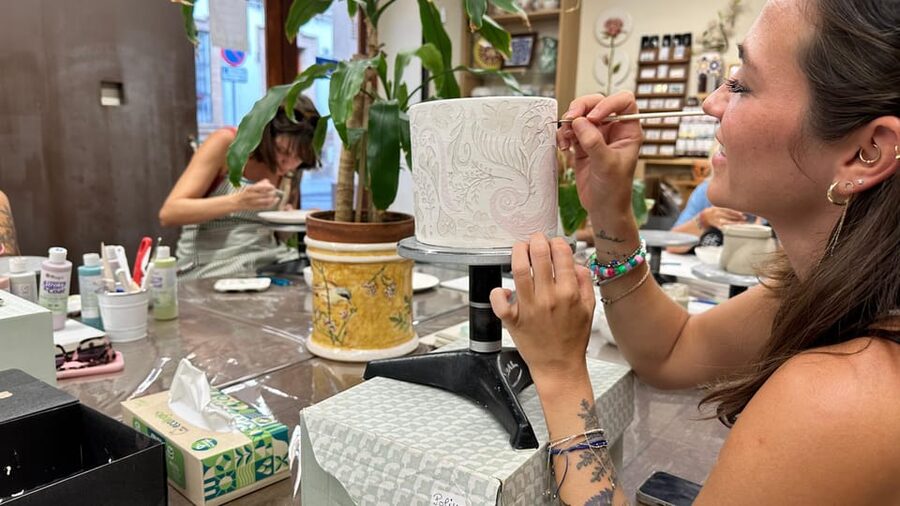
Ceramic paint turns Seville into something you can hold. You’ll spend two calm hours in a real pottery studio near Triana, designing a mug, box, or other piece with help from teachers, then having it glazed and fired. It’s a hands-on break from sightseeing and a souvenir that isn’t mass-made.
I especially like the flexibility: you can bring your own idea or use the templates available in the workshop. I also like the small group setup (up to 10 people), which keeps the teaching practical and personal instead of rushed.
The one thing to plan for is the timing after the workshop. Your ceramics need firing, glazing, and baking, and they take at least 10–15 days to be fully finished, with shipping only if you can’t pick them up in person.
In This Review
- Quick hits before you go
- Why a ceramic painting workshop works so well in Seville
- Where you’ll meet: near Esperanza de Triana
- Choosing your ceramic piece: the catalog is the secret weapon
- Two hours of painting: templates, teachers, and a realistic pace
- A small but useful detail: time extensions
- What “relaxing” means here
- The part you can’t skip: glazing, firing, and waiting 10–15 days
- Price and value: €13 plus your chosen piece
- Tips to get better results (without overthinking it)
- Who this is best for (and who might skip it)
- Family notes
- Should you book Arte y Pureza ceramic painting in Seville?
- FAQ
- What does the €13 reservation include?
- How much do the ceramic pieces cost?
- How long is the workshop, and how many pieces can I paint?
- When will I get my finished ceramic piece?
- Can the workshop ship my piece if I can’t pick it up?
- How long do they store your ceramics in the studio?
- What languages are offered during the workshop?
- Is it suitable for children?
Quick hits before you go
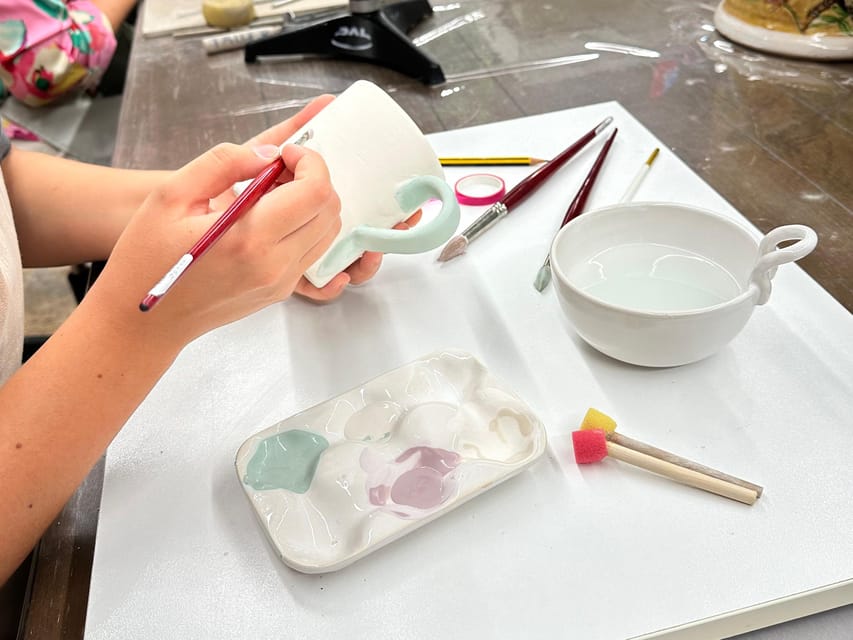
- Pick from a real catalog: mugs, jewelry boxes, and even a feeder for your pet
- Bring your own design or use templates so first-timers don’t panic
- Small-group instruction (up to 10) with Spanish or English support
- Two hours on the clock, with a possible extra moment if the next session has room
- Glaze and fire done for you, but the finished piece takes 10–15 days
- Your piece is stored up to 90 days before it’s treated as abandoned
Still deciding? A few more Seville picks worth a look.
- Seville: Flamenco Dance Class with Optional Costume★ 4.9 · 1,350 reviews
- Seville: Spanish Cooking Class with Dinner★ 4.9 · 900 reviews
- Spanish Cooking Class & Triana Market Tour in Sevilla★ 5.0 · 760 reviews
Why a ceramic painting workshop works so well in Seville
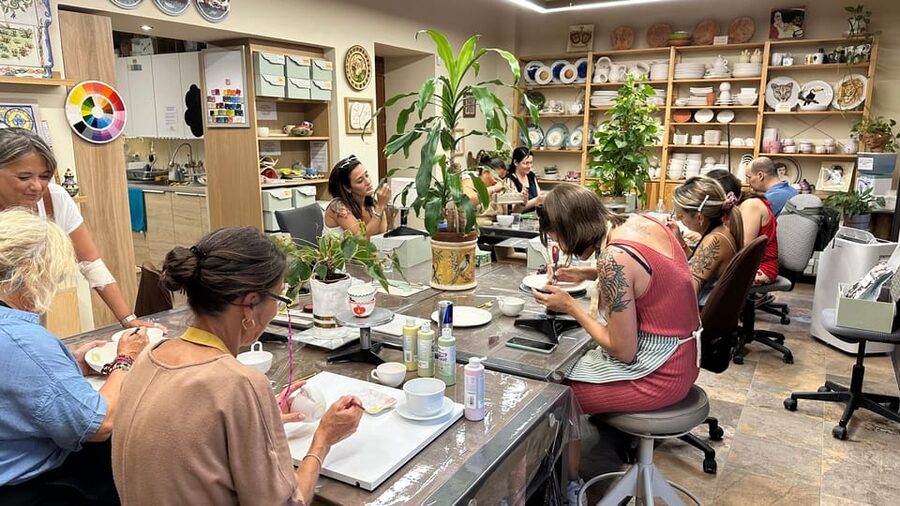
Seville has that layered feeling—old streets, churches, the river area, and craft details you only notice when you slow down. A ceramic painting session is one of the easiest ways to slow down without feeling like you’re “stuck indoors.” It’s creative time, not a lecture, and you leave with something physical that reflects what you chose to paint.
This workshop focuses on Sevillian craft in a practical way. You’re not asked to be an artist—you’re guided through the process of decorating ceramics properly, then you hand it over for the part you can’t fully control: glazing and firing. That matters. Painting on its own is fun, but ceramics are a craft where the real payoff is what happens after your brush work.
I also like the studio’s “relaxed but guided” approach. Two teachers work with you throughout, so you can ask basic questions as you go: how to plan a design on a curved surface, how much paint to use, or how to avoid smudges before you hand it in. That kind of help turns “I don’t know what I’m doing” into “Oh, I can actually do this.”
Where you’ll meet: near Esperanza de Triana
You’ll meet at Local Arte y Pureza, near the chapel of Esperanza de Triana. That location is handy for two reasons.
First, it places you in the Triana area, where Seville’s craft side feels close by. Even if you’re not sightseeing during the workshop, the neighborhood context helps the experience feel local rather than generic.
Second, a studio meeting point avoids a common problem with hands-on tours: the “start wherever” chaos. You have one clear place to arrive, and once you’re inside, the rest is smooth—materials, painting time, and teacher support.
If you’re planning your day, I’d build in extra minutes to get there. Triana streets can be charming in a slightly winding way, and you’ll want to arrive calm. The activity is only two hours, and the most stressful part should be choosing your colors—not finding the door.
Choosing your ceramic piece: the catalog is the secret weapon
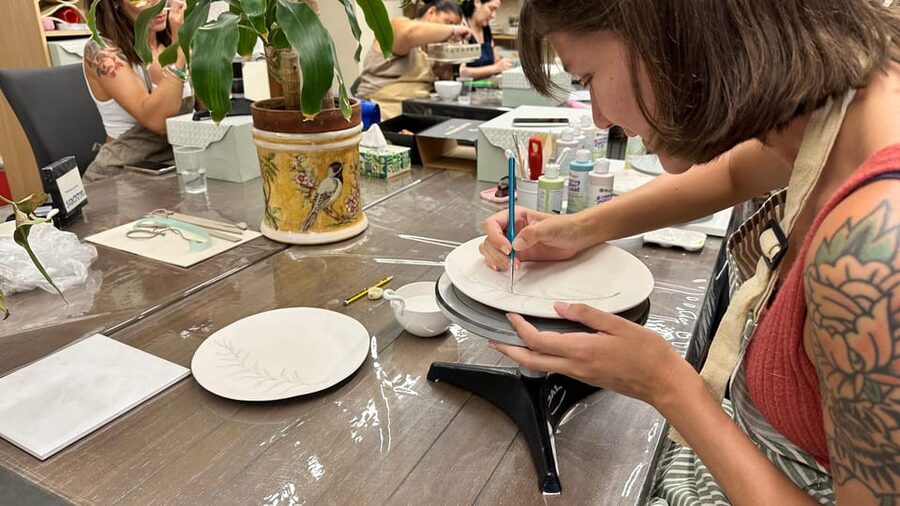
This experience lets you decorate a ceramic piece from the pottery workshop. The list of options is broad enough that you can pick something meaningful, not just whatever is left. The workshop has a “catalog” style selection including mugs, jewelry boxes, and even a feeder for a pet.
That range is a big value point. If you’re traveling with family, you can match the piece to the person. If you want something useful, pick a mug. If you want something displayable, jewelry boxes make great gifts. And if you want something funny and personal, pet feeders are a memorable choice because they’re tied to real life, not just souvenir shopping.
Here’s how I’d think about selection so you don’t overcomplicate it:
- Choose the piece that makes the painting simple for you. Flat-ish surfaces are easier than deep curves.
- If you’re short on artistic confidence, start with an item that gives you a clear area to work with.
- If you’re going to gift it, consider whether the design will still look good a few months from now, not only the day you painted it.
You pay two parts for this: a reservation price plus the piece itself. The reservation is priced at €13 (the activity price is shown as $15 per person in the info you have), and then each ceramic piece costs between €13 and €29, paid after the session. That setup can feel confusing at first glance, but it’s actually transparent: you’re not paying for a fixed souvenir you didn’t choose. You only pay for what you picked.


Two hours of painting: templates, teachers, and a realistic pace
Once you’re in the studio, the workshop runs on a simple idea: relaxation plus guidance. You’ll have a 2-hour reservation window during which you can paint one or more pieces, depending on what you choose and how long it takes.
The teachers are the difference-maker here. You’re always working with two instructors available in the room. They can help you with technique questions and practical decisions while you’re still painting, which is exactly when help matters.
Even if you’re a total beginner, you won’t be thrown into a blank canvas. The workshop offers templates you can use. So you can trace ideas, follow a pattern, or use a guide to build your own variation. That’s perfect if you want something “you made this” without needing artistic training.
The instruction language options are also practical: Spanish and English are available. In one note from a past participant, the instructor Irene was described as helpful and friendly. That’s consistent with the workshop’s overall feel: approachable teaching, not “show up and figure it out.”
A small but useful detail: time extensions
Ceramics work can take longer than you expect, especially if you’re deciding between designs or trying to add details. The workshop gives you a bit of breathing room: if you’re running out of time at the end of your session and there’s a free spot in the next one, they don’t mind if you stay a little longer to finish at your own pace.
That’s a small detail, but it reduces stress. A two-hour window is tight in theory, yet ceramics painting usually needs small pauses—before a new layer, while you rethink a layout, or just to avoid rushing a line.
What “relaxing” means here
This isn’t passive. You’re painting, which requires attention. But it’s relaxing in the sense that you’re focused on a single task. No navigation. No decision overload. Just color, pattern, and quiet concentration with help nearby.
The part you can’t skip: glazing, firing, and waiting 10–15 days
When your painting is done, the workshop handles the technical finish. Your pieces are glazed and baked in their ovens after the session.
This is where you need to be honest with your own travel schedule. Your ceramics take patience:
- It takes at least 10–15 days to be completely finished.
- You can’t expect to take it home the same day.
- If you’re short on time, you should ask about shipping options when you finish painting.
Shipping is mentioned as an option, but it comes with a key caveat: shipping costs are the buyer’s responsibility. Also, you should understand that they’ll store your pieces in their studio while you’re gone.
Storage works like this: they keep your items for a maximum of 90 days. If you don’t claim them within that time, they’re considered abandoned. In other words, you’ll want a real plan for what happens after you leave Seville—either pickup timing or shipping arrangements.
One more practical thought: if you’re traveling and your suitcase is already heavy, this workshop can still be a smart move. You’re not carrying a wet ceramic souvenir around town all day. You’re creating it and letting the workshop finish it on your behalf.
Price and value: €13 plus your chosen piece
Let’s talk money in a way that helps you decide.
At the center of the price is a €13 reservation that covers the reservation and necessary materials—paints, brushes, and supplies—plus professional advice and the firing of the pieces you make. That means the “you pay for the work area and teaching” part is covered.
Then you pay separately for the ceramic piece: €13 to €29, depending on what you choose.
From a value point of view, this can be fair or even good value, depending on what you normally buy as souvenirs in Seville:
- If you usually spend €10–€20 on small decorative items that don’t last, this is a chance to create something larger and more personal.
- If you were going to buy a gift anyway, the jewelry box or mug option can replace a store purchase with something handmade.
- If you’re very time-starved, two hours might still be worth it because it gives you a complete creative arc: choose → paint → hand off.
The only time the price might feel less attractive is if you pick a more expensive piece and then feel pressured to rush. My advice is the opposite: pick a piece whose size and surface match your painting comfort, so you get the result you want without spending extra time trying to fix it later.
Tips to get better results (without overthinking it)
You don’t need to be an art student. But a few simple choices make your piece look better and reduce mistakes.
Start with a clear idea, even if it’s basic. A flower, a simple border pattern, your initials, or a small scene on a mug can look great. If you don’t have an idea, use the templates in the workshop. That’s not cheating—it’s using the workshop’s strengths.
Bring a mindset of clean and steady. Ceramics are forgiving in some ways, but rushed strokes can lead to messy lines that are hard to correct once the piece is handed over.
Also, choose colors with intention. A limited palette usually looks more polished than trying to use every paint in the set. You can always add details after you’re happy with the base.
Finally, don’t assume you’ll take only one piece. If you want more than one, plan for it mentally at the start. The studio says you can paint one or more pieces depending on timing, and teachers can advise you on feasibility during the session.
Who this is best for (and who might skip it)
This workshop fits a lot of people because it’s not about perfection. It’s about learning and practicing a familiar craft in a hands-on way.
It’s a strong match if you:
- want a rainy-day plan in Seville that’s not just sitting in a café
- like making gifts you can personalize
- enjoy crafts and want a relaxed activity with real instruction
- travel with mixed ages (teens and adults especially)
It’s also a good activity if you want a break from major sights while still doing something distinctly “Seville.”
Family notes
Kids must be handled thoughtfully. The info you have says:
- Kids under 12 must be accompanied by an adult.
- It isn’t suitable for children under 5.
So if you’re traveling with little kids, this may not work. If you’re traveling with older kids, it can be a fun creative project—especially with teacher help.
Should you book Arte y Pureza ceramic painting in Seville?
If you want one authentic, hands-on souvenir that isn’t just an off-the-shelf shop purchase, I think this is a smart booking. The strengths are clear: small-group support, teachers who help during the painting, and a finished piece process handled by the studio (glazing and firing). Plus, you can choose from a varied catalog, from mugs to jewelry boxes to a pet feeder.
Only book it if you can handle the waiting time. The finished ceramics take at least 10–15 days, and there’s a storage timeline too. If you’re leaving Seville very quickly and can’t arrange pickup or shipping, you might end up stressed about logistics.
My advice: if your schedule allows a 10–15 day turnaround and you want something you’ll actually keep or gift, book it. It’s one of those rare activities that turns “I visited Seville” into something you can use, display, or give.
FAQ
What does the €13 reservation include?
The reservation price includes your spot and all necessary materials such as paints, brushes, and supplies, plus professional advice and the firing of the pieces you make.
How much do the ceramic pieces cost?
The ceramic piece is paid separately after the activity. Piece prices range between €13 and €29, depending on what you choose.
How long is the workshop, and how many pieces can I paint?
Your reservation lasts 2 hours. You can paint one or more pieces depending on the pieces you choose and the estimated time; if you have questions, the teachers advise you during the session.
When will I get my finished ceramic piece?
After you finish painting, the workshop will glaze and bake your ceramics. They take at least 10 to 15 days to be completely finished.
Can the workshop ship my piece if I can’t pick it up?
Shipping options are available if you don’t have time in Seville. Shipping costs are the buyer’s responsibility.
How long do they store your ceramics in the studio?
They keep your pieces in their studio for a maximum of 90 days. If they aren’t claimed within that time, they’re considered abandoned.
What languages are offered during the workshop?
The workshop provides instruction in Spanish and English.
Is it suitable for children?
Kids under 12 must be accompanied by an adult. It is not suitable for children under 5 years.
More Workshops in Seville
- Seville: Flamenco Dance Class with Optional Costume
★ 4.9 · 1,350 reviews - Seville: Spanish Cooking Class with Dinner
★ 4.9 · 900 reviews - Spanish Cooking Class & Triana Market Tour in Sevilla
★ 5.0 · 760 reviews - Seville: 3.5-Hour Spanish Cooking Class & Triana Market Tour
★ 4.9 · 751 reviews - Seville: Paddle Surf Route and Class
★ 5.0 · 346 reviews
More Tour Reviews in Seville
- Seville: Live Flamenco Dancing Show Ticket at the Theater
★ 4.7 · 16,396 reviews - Seville: Alcázar, Cathedral & Giralda Skip-the-Line Tour
★ 4.8 · 11,525 reviews - Seville: 1-Hour Guadalquivir River Sightseeing Eco Cruise
★ 4.2 · 10,281 reviews - Seville: Setas de Sevilla Entry Ticket
★ 4.6 · 8,901 reviews - Seville: Cathedral, Giralda & Alcazar Entry With Guided Tour
★ 4.6 · 8,560 reviews
Just added to the Seville list




Workshops, compared.
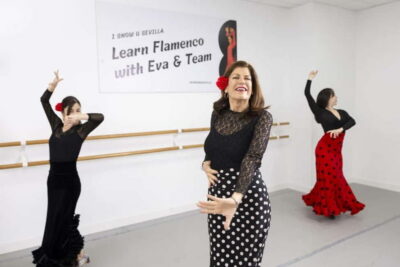 ★ 4.9Flamenco Dance Class with Optional CostumeFrom $331,350 reviews
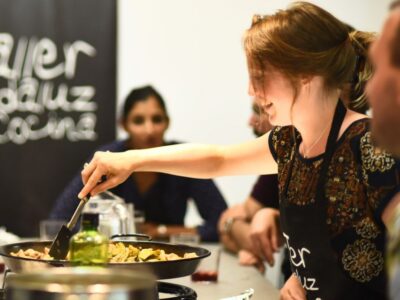 ★ 4.9Spanish Cooking Class with DinnerFrom $82900 reviews
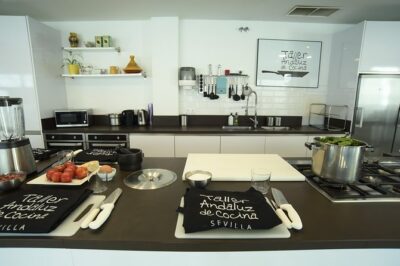 ★ 5.0Spanish Cooking Class & Triana Market Tour in SevillaFrom $90760 reviews
 ★ 4.93.5-Hour Spanish Cooking Class & Triana Market TourFrom $88751 reviews
 ★ 5.0Paddle Surf Route and ClassFrom $35346 reviews
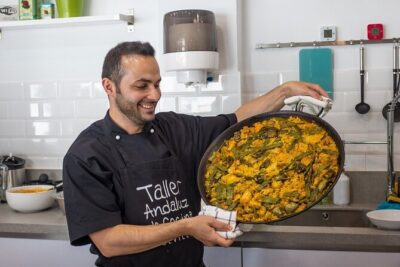 ★ 5.0Spanish Cooking Class and Dinner in SevilleFrom $84261 reviews
 ★ 5.0Rooftop Paella Cooking Class & 30-minute expert Q&AFrom $214198 reviews
 ★ 5.0Flamenco Dance Class in Seville with optional Flamenco CostumeFrom $33191 reviews
Browse the lists this tour appears in