
Review · SHERRY, WINE & SANGRIA TASTINGS
Sevilla: Fun Wine Tasting with an Spanish Sommelier
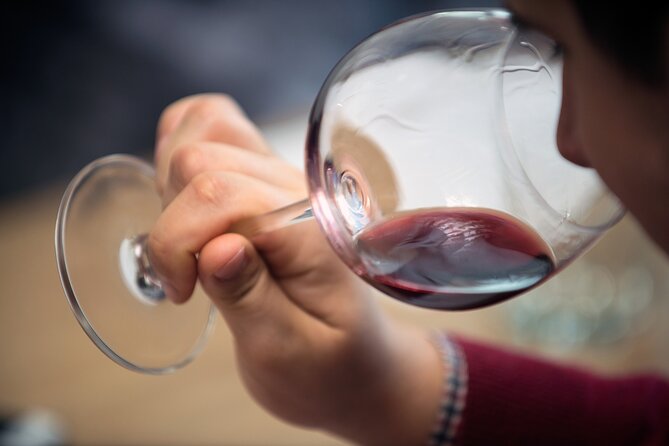
A good wine class starts with your nose. In Sevilla, this organic wine tasting turns a simple sip into a quick lesson on why wine tastes the way it does, with English/Spanish guidance and food pairings. You’ll compare organic and conventional styles, and the host keeps it practical instead of academic.
What I like most is the three-step tasting method (look, smell, taste) and the way the experience trains you to notice differences on purpose. Another standout: Oscar’s hosting style made the session feel easy and genuinely fun, with pairing help and dining suggestions.
One thing to plan for: transport isn’t included, and you’ll do a short walk to the tasting area, so wear comfy shoes and line up your ride.
In This Review
- Key things to know before you book
- Organic wine tasting in Sevilla: what you’ll figure out in 1 hour
- Entering the winery shop and meeting your sommelier in Sevilla
- See, smell, taste: the three-stage method you’ll use on every wine
- Organic vs conventional wine in Andalusia: what changes and why you can taste it
- The food pairings that teach your palate: fish, cured meats, and cheese
- Smell the Andalusian aromas: how to get more from every sip
- Price and value: is $58 for Sevilla organic tasting worth it?
- Who should book this Sevilla experience (and who might not)
- Quick tips to get the most from your tasting
- Should you book this Sevilla fun wine tasting with an Spanish sommelier?
- FAQ
- How long is the Sevilla wine tasting?
- How big is the group?
- Is the tasting indoors?
- What wines and food are included?
- Do I need to be 18 or older?
- Is transportation included?
- Where do I meet the guide?
- What’s the cancellation window?
Key things to know before you book
- Small group (max 8) keeps the tasting personal and not rushed
- Oscar-led explanations help you connect farming choices to flavor
- Three-stage tasting (visual, olfactory, taste) gives you a repeatable skill
- Organic focus in Andalusia explains organic vs conventional in plain terms
- 3 wine pairings: salted fish, cured meats, and oak-aged red with cheese
- Indoor experience makes it a dependable plan, no matter the weather
Another round of sherry, wine and sangria
- Sevilla Food Tour: Tapas, Wine, History & Traditions★ 5.0 · 3,468 reviews
- Ultimate Seville Tapas, Wine & History Small Group Tour★ 5.0 · 1,766 reviews
- Authentic Flamenco Show with Tapas & Wine Guided Tour★ 5.0 · 1,476 reviews
Organic wine tasting in Sevilla: what you’ll figure out in 1 hour
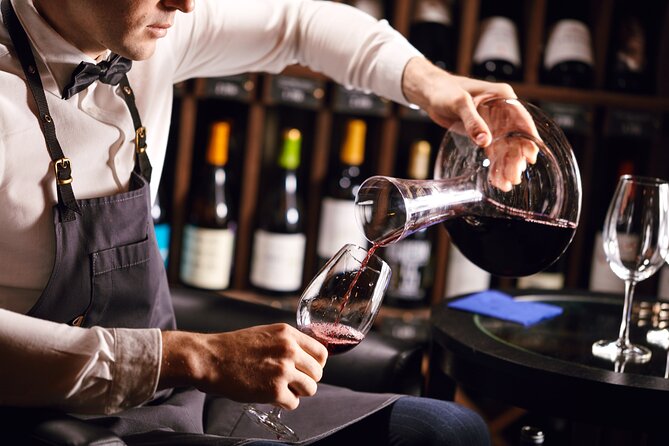
This is a tight, high-focus tasting, designed for people who want to understand wine without getting stuck in wine-snob talk. The setting is a winery shop in Sevilla, and the format is simple: you taste through a short lineup and learn how to assess each wine step by step. It’s also centered on organic wines made with a sustainability-first approach, including vegan, biodynamic, and natural wines.
The big idea is that you’re not just trying to pick a favorite red or white. You’re learning how to evaluate. That matters because once you learn what to watch for—color, aroma signals, and flavor profile—you start making better choices everywhere you go.
And yes, it’s “fun” in the best way: not a gimmick. It’s a short guided lesson with food pairings that help your palate understand the wine instead of guessing.
Entering the winery shop and meeting your sommelier in Sevilla
Your start is refreshingly straightforward: enter the winery shop and tell them your name. There’s no complicated setup, and you get going right away, which is a big deal when your time in Sevilla is limited.
You’ll be with a live guide (English and Spanish are available), and the group is capped at 8 participants. That small size is what lets the guide slow down when you need it, and it also means questions don’t get lost in the shuffle.
From what I saw in how the host connected with the group, Oscar is the kind of guide who explains the why behind the pour. One person noted how Oscar was outstanding at walking through organic wines of Spain, and how he also gave practical food-and-wine pairing thoughts plus suggestions for where to eat near where they were staying. In plain terms: the session doesn’t end when the last glass does. You leave with ideas.
Practical note: it’s an indoor experience, and you should plan on a short walk as part of the setup. Comfortable walking shoes are a good call. The experience is also wheelchair accessible, and participants must be at least 18.
See, smell, taste: the three-stage method you’ll use on every wine
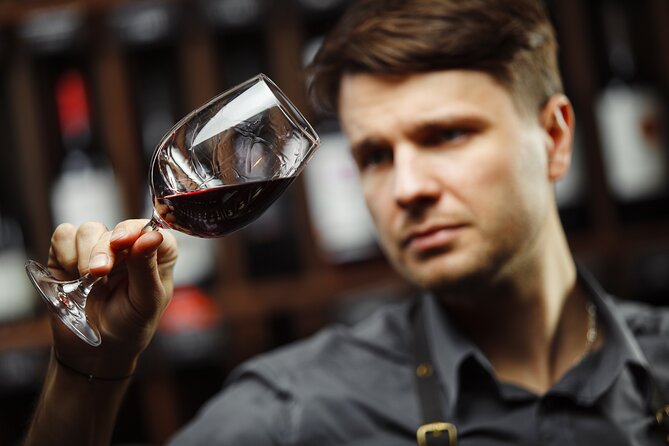
The tasting is built around a clear process, and that’s where the value really shows. You evaluate each wine in three stages:
Visual (color and clarity)
You’ll look at the wine’s color and clarity first. This isn’t about fancy talk. It’s about training your eyes to notice basic cues that often connect to style—like whether a wine reads lighter or deeper.
Olfactory (aromas)
Next comes the smell. This is where the experience leans into Andalusian aromas—because aromas tell you what kind of flavors you should expect. The guide walks you through what to notice, and it helps you stop treating smelling like a guess.
Taste (flavor profile)
Finally, you taste and assess the flavor profile. You’re not just swallowing and deciding yes/no. You’re learning how to describe what you’re actually tasting, which makes the experience more meaningful—and makes future tastings easier.
If you’ve ever felt like wine tastings are just people nodding while tasting, this structure prevents that. It gives you a checklist in your head. And once you have a method, you can apply it anywhere you go: a restaurant by the glass, a bottle shop, or a future tasting room visit.
Other plates worth a table in Seville
Organic vs conventional wine in Andalusia: what changes and why you can taste it
The experience spends time on organic versus conventional wine, and it does it with a grounded explanation.
Here’s the core difference the guide highlights: conventional wines may use synthetic chemicals, while organic wines are made without these. The practical takeaway is that organic practices can lead to healthier soil and different farming methods, which the experience connects to more complex flavors.
That “more complex” part is worth your attention because it’s easy to dismiss it as marketing. In this tasting, the point isn’t to recite a definition—it’s to taste the claim. As you move through the lineup, you’re asked to notice how the wine reads in aroma and flavor. You’re basically building a personal link between farming choices and what your palate detects.
It also helps that the winery focuses exclusively on organic, vegan, biodynamic, and natural wines. So you’re not hearing half the story and then switching categories. You’re staying in one mindset, and that makes comparisons clearer.
One more useful thing: the guide isn’t only teaching facts. He’s guiding you to assess. That means even if you already know the basics of organic labeling, you’ll still come away with a better way to evaluate what you’re drinking.
The food pairings that teach your palate: fish, cured meats, and cheese
A huge part of why this works is that each wine is paired with food designed to highlight it. There are three included pairings, and they follow the tasting through different styles.
White wine + salted fish
This pairing is classic for a reason: salt and seafood tend to sharpen how you perceive acidity and aroma. If you’re new to wine tasting, this is one of the easiest pairings to understand quickly. You get to taste how the wine responds when food brings out savory notes.
Young red wine + cured meats
Cured meats add salt, fat, and intense flavor. That’s a smart match for a young red because it tests how fruit and structure show up next to richer, more savory bites. You’ll also get a feel for how a “young” red drinks—often more about freshness and immediate fruit impressions than heavy aging notes.
Red wine aged in oak + cheese
This is the curveball in a good way. Oak aging tends to leave a clearer fingerprint in aroma and mouthfeel, and cheese is ready-made to amplify those signals. If you’re wondering what oak actually does beyond theory, this pairing gives you a tasting moment where you can compare expectations against what’s in the glass.
Since you’re eating along the way, you’re not stuck tasting in a vacuum. You get an ongoing feedback loop: food changes how you taste, and the wine changes how you experience the food. That’s exactly how pairing is supposed to work.
Smell the Andalusian aromas: how to get more from every sip
Even if you think you’re not great at smelling wine, this experience is set up to help you improve fast. The guide pushes you past vague descriptions and toward identifiable aroma patterns. And because the tasting is structured, you’re not stuck wondering what you’re supposed to do.
Here are a few practical ways you can play along:
- When you smell, take a moment before you react. Don’t rush to label it as good or bad.
- Pay attention to whether aromas feel more fresh, more floral, more spicy, or more rounded.
- Then connect it to flavor: does the taste match what you smelled, or does it change once it hits your palate?
You’ll also notice that organic-focused wines often encourage a different kind of “attention.” Not because you’re supposed to believe a story, but because with fewer chemical inputs (as explained here), the wine’s overall expression is meant to feel more natural. Your job is to check that with your senses.
This kind of instruction is especially useful if you’re planning to drink wine in restaurants later. You can walk into a bar and have a better starting point than guesswork.
Price and value: is $58 for Sevilla organic tasting worth it?
At $58 per person for a 1-hour experience, this isn’t a bargain-basement deal—but it also isn’t overpriced for what you get. Here’s the value math:
- You’re paying for a guided, live tasting (small group size helps keep it interactive).
- You receive three wines plus three included food pairings (salted fish, cured meats, and cheese).
- The focus is not general wine tasting; it’s specifically organic wines and the organic-vs-conventional comparison explained during the tasting.
What you don’t get matters too. Transportation to and from the winery is not included, and additional food and drinks aren’t included. So your real total depends on how you’re getting there and whether you snack after.
If you like wine but want to understand it better—especially if you care about organic practices—this price feels reasonable. If you’re looking for a huge food feast or a long evening activity, you might find it short. But for a focused lesson with pairings, 1 hour is actually an advantage. You get learning without spending half a day.
Who should book this Sevilla experience (and who might not)
This is a strong match if you:
- Want a structured wine lesson you can reuse later
- Enjoy food pairings and like learning through taste
- Care about organic wine, including vegan and biodynamic/natural styles
- Prefer small groups and a guide who can talk in plain, practical terms
- Are traveling with limited time and want an indoor activity
It may not be the best fit if you:
- Expect a full, multi-hour winery tour with lots of walking outdoors
- Want transportation handled for you
- Are under 18 (the tasting is for adults only)
The setup is also wheelchair accessible, and you can expect the experience to stay indoors. So it’s a good option for weather days, as long as you don’t mind that short walk at the start.
Quick tips to get the most from your tasting
You’ll get the most out of this experience if you show up ready to participate. Here’s how to set yourself up:
- Arrive on time so the 1-hour schedule doesn’t get compressed.
- Bring comfortable walking shoes since there’s a short walk involved.
- Plan for taste-focused pacing. The tasting is designed to be done step by step.
- If you’re curious about where to eat afterward, ask Oscar for dining suggestions. That kind of local pairing advice is exactly the sort of practical takeaway people remember.
Also, if you’re new to organic wine, this tasting is a friendly place to start. The guide’s job is to translate the differences into what you can actually detect.
Should you book this Sevilla fun wine tasting with an Spanish sommelier?
I’d recommend booking this if you want a short, high-value wine experience that actually teaches you how to taste. The best reason is the structure: you learn to see, smell, and taste, and you test it with real food pairings—salted fish, cured meats, and an oak-aged red with cheese. Add Oscar’s clear, approachable hosting style, and it becomes more than just drinking wine for an hour.
If you’re tight on logistics—no car, no easy taxi plan—factor in transportation because that part is on you. Also, don’t expect a long tour. This is intentionally compact.
If you want organic wine in Andalusia, paired well, with a small-group guide who helps you think like a sommelier, this is a smart use of time in Sevilla.
FAQ
How long is the Sevilla wine tasting?
The experience lasts 1 hour.
How big is the group?
The tasting is a small group limited to 8 participants.
Is the tasting indoors?
Yes, the experience is held indoors.
What wines and food are included?
You’ll taste three wines: a white wine paired with salted fish, a young red wine paired with cured meats, and a red wine aged in oak paired with cheeses.
Do I need to be 18 or older?
Yes. Participants must be at least 18 years old.
Is transportation included?
No. Transportation to and from the winery is not included.
Where do I meet the guide?
Enter the winery shop and tell them your name.
What’s the cancellation window?
You can cancel up to 24 hours in advance for a full refund.
If you want, tell me your travel dates and whether you’re staying near the center of Sevilla, and I’ll help you plan the timing around this 1-hour slot.
Eat and Drink Around Seville
- Sevilla Food Tour: Tapas, Wine, History & Traditions
★ 5.0 · 3,468 reviews - The Seville Tapas Crawl Tour by Food Lover Tour
★ 5.0 · 1,213 reviews - Seville Ultimate Food Tour
★ 5.0 · 898 reviews - Seville: Sangria Tasting Experience
★ 4.8 · 465 reviews - Seville Food Tour: Vermut, Churros & 10+ Tasty Local Dishes
★ 5.0 · 420 reviews
More Tour Reviews in Seville
- Seville: Live Flamenco Dancing Show Ticket at the Theater
★ 4.7 · 16,396 reviews - Seville: Alcázar, Cathedral & Giralda Skip-the-Line Tour
★ 4.8 · 11,525 reviews - Seville: 1-Hour Guadalquivir River Sightseeing Eco Cruise
★ 4.2 · 10,281 reviews - Seville: Setas de Sevilla Entry Ticket
★ 4.6 · 8,901 reviews - Seville: Cathedral, Giralda & Alcazar Entry With Guided Tour
★ 4.6 · 8,560 reviews
A Few More Andalusian Pours
- Sevilla Food Tour: Tapas, Wine, History & Traditions
★ 5.0 · 3,468 reviews - Ultimate Seville Tapas, Wine & History Small Group Tour
★ 5.0 · 1,766 reviews - Authentic Flamenco Show with Tapas & Wine Guided Tour
★ 5.0 · 1,476 reviews - Seville: Sangria Tasting Experience
★ 4.8 · 465 reviews - Seville: Sangria Tasting Experience
★ 4.9 · 288 reviews
Just added to the Seville list

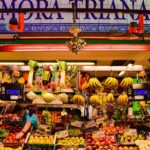




Sherry, Wine & Sangria Tastings, compared.
 ★ 5.0Sevilla Food Tour: Tapas, Wine, History & TraditionsFrom $833,468 reviews
 ★ 5.0Ultimate Seville Tapas, Wine & History Small Group TourFrom $1011,766 reviews
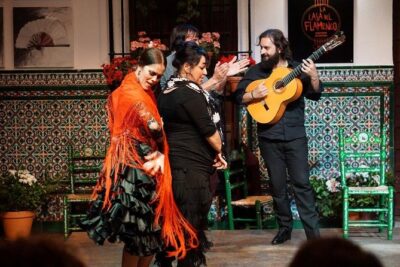 ★ 5.0Authentic Flamenco Show with Tapas & Wine Guided TourFrom $951,476 reviews
 ★ 4.8Sangria Tasting ExperienceFrom $29465 reviews
★ 4.9Sangria Tasting ExperienceFrom $23288 reviews
★ 4.8Sangria Tasting ExperienceFrom $29465 reviews
★ 4.9Sangria Tasting ExperienceFrom $23288 reviews
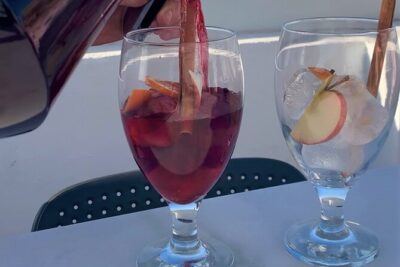 ★ 4.5Sangria Tasting ExperienceFrom $24222 reviews
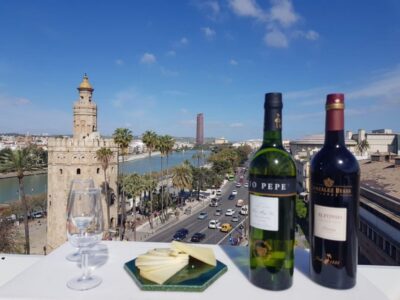 ★ 4.9Sherry Wine Tasting with Light SnacksFrom $32183 reviews
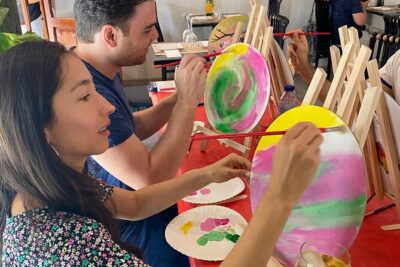 ★ 5.0Art and Wine in SevillaFrom $54165 reviews
Browse the lists this tour appears in