
Review · FLAMENCO IN SEVILLE
Sevilla : Flamenco Lessons
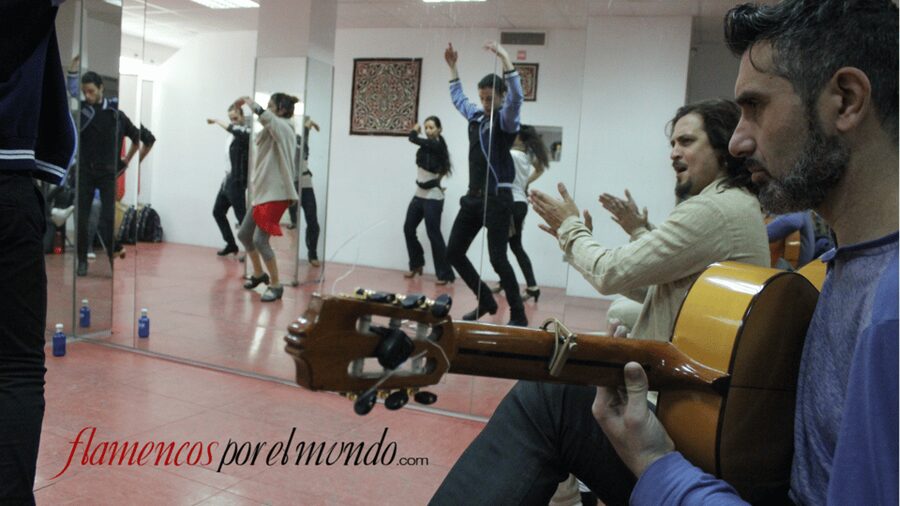
Somebody claps, then suddenly you get it. This one-hour flamenco class in central Seville is practical, not performative, and you can pick dance, cante (singing), or guitar. I like that instruction starts at the basics (so you’re not lost), and I like the focus on the flamenco tools—rhythm, voice, and technique—so you feel progress quickly. The only real drawback: it’s short, so you’ll learn first steps, not full routines.
You’ll take place in a traditional theater setting in the heart of Seville, where flamenco culture is meant to be heard and felt up close. I also like that the class can flex to your level—one instructor in the feedback, Penelope, was praised for keeping steps matched to the student—so you don’t just copy moves. Still, if you choose guitar, you should have some musical footing, or you may spend the hour catching up instead of playing along.
In This Review
- Key things to know before you go
- A One-Hour Flamenco Class in Central Seville
- Choose Dance, Cante, or Guitar (And Why That Matters)
- How The Lesson Feels: From Rhythm to Your First Try
- What You’ll Actually Learn: Compás, Palmas, and Flamenco Basics
- Listening Skills: The Music Side You’ll Notice More After
- Who This Fits Best (And Who Might Feel Rushed)
- Price and Value: Is $47 Worth It?
- Practical Stuff: What to Bring and Wear
- What to Expect When the Instructor Steps In
- Before You Book: The Smart Way to Choose Your Discipline
- Should You Book This Flamenco Lesson?
- FAQ
- How long is the flamenco lesson in Seville?
- Where does the lesson take place?
- What can I choose to learn?
- Do I need prior experience for the dance or singing class?
- Is the guitar class for beginners?
- What languages are available during the class?
- What should I bring?
- Can I bring a guitar if I choose the guitar class?
- Is this class suitable for children?
- Is cancellation possible?
Key things to know before you go
- Pick your discipline: dance, singing (cante), or guitar in one 60-minute session.
- Learn the flamenco basics: rhythm (compás), clapping (palmas), and first technique.
- Professional instruction: you’re taught by established flamenco artists in a theater in central Seville.
- Language support: English and Spanish are available.
- Best-fit for beginners: dance and singing require no prior experience.
- Short session, real momentum: you’ll leave with usable fundamentals, not a full performance.
More nights of guitar and heel on the boards
- Seville: Live Flamenco Dancing Show Ticket at the Theater★ 4.7 · 16,396 reviews
- Seville: Puro Flamenco Show with Optional Museum Ticket★ 4.8 · 6,088 reviews
- Seville: Live Flamenco Show at “Teatro Flamenco Triana”★ 4.6 · 3,290 reviews
A One-Hour Flamenco Class in Central Seville
Flamenco in Seville is supposed to feel close. This lesson takes place in a theater in the center of the city, which helps you shift from sightseeing mode into performance mode fast. In just 60 minutes, you get structured teaching instead of trying to learn from street shows or random TikTok steps.
I like the “class” format here. You’re not just watching someone else do it—you’re building the core elements that make flamenco work: timing, expression, and coordination with the music. That’s why the short duration can actually be a plus. You can fit it between a lunch and an evening plan without turning your day into a full-day commitment.
The other thing that matters is the setting. A traditional theater space changes how you hear rhythm and how you use your body. Sound bounces differently than outside, and it makes it easier to follow the compás and the cues from your instructor.
Choose Dance, Cante, or Guitar (And Why That Matters)
You don’t have to force yourself into one lane. This experience lets you choose what you want to learn: flamenco dance, singing (cante), or guitar. That single choice can make or break your enjoyment, because flamenco isn’t one skill—it’s a system.
If you pick dance, you’ll focus on basic steps and the physical language that flamenco uses. If you pick cante, you’ll work on vocal expression—how a flamenco voice shapes emotion, pacing, and intensity. If you choose guitar, the class is more technique-based (like strumming and chords), but it’s recommended only if you already play or have basic musical knowledge.
I like that this isn’t trying to pretend everyone starts at the same level. Dance and singing are set up for beginners, but guitar asks you to already understand the instrument. That’s a fair trade. You’ll get more value if you choose based on your real starting point, not your hope.
How The Lesson Feels: From Rhythm to Your First Try
A flamenco lesson isn’t “memorize steps, done.” It’s train your timing, then connect emotion to movement or voice. The hour is built around the first tools you need to participate right away.
You’ll start with the foundational rhythm. Flamenco revolves around compás, the underlying rhythmic structure. Then you’ll use palmas, the clapping patterns that lock you into the feel of the music. Even if your body is brand new to this, clapping is a friendly entry point. It helps you sense timing before you worry about feet.
After that foundation, your class shifts toward your chosen discipline. For dance, that likely means simple footwork and body positions you can repeat. For singing, it means learning how to produce and shape the vocal lines with flamenco style. For guitar, it’s about technique—how to strum (like rasgueos) and follow along with the harmony using flamenco chords.
One more detail I appreciate: instruction is guided with beginner-friendly support. In one bit of feedback, Sylvie praised how Analīe explained the class clearly, and the student left with a great feeling of momentum. That’s exactly what you want in an hour-long session—clear guidance, quick correction, and enough practice to make it feel real.
Still deciding? A few more Seville picks worth a look.
What You’ll Actually Learn: Compás, Palmas, and Flamenco Basics
Here’s the value of this class in plain terms. You’re learning the “working parts” of flamenco, not just a costume-worthy pose.
Compás (rhythm)
This is the heartbeat. You’ll learn how to count and feel the rhythm so you can stay with the music. Once you understand compás, the rest of flamenco starts to make sense, even if you’re still learning moves.
Palmas (clapping)
Flamenco clapping isn’t random. It follows patterns that interact with the guitar and the singer. If you can clap the right feel, you’re already doing flamenco teamwork.
First steps in dance
You’ll start with basic dance components: simple steps, posture, and how movement interacts with rhythm. The goal isn’t perfection. It’s to leave knowing what to do when the beat starts.
First vocal techniques in cante
You’ll work on vocal expression—how flamenco uses voice for emotion and storytelling. Even if you’ve never sung in public, you’re getting guidance on how to create flamenco style.
First guitar techniques
If you choose guitar, you’ll focus on strumming and chords. Flamenco chords and strumming patterns can be tricky for beginners, which is why the class nudges you toward having at least some musical background.
And yes, the “first steps” part is true. A one-hour class can’t make you a performer. But it can give you the tools to understand what’s happening when you watch flamenco later—and that’s a big deal in Seville.
Listening Skills: The Music Side You’ll Notice More After
Flamenco isn’t only movement. Music is the steering wheel. This lesson specifically sets aside time to connect you with the musical side that drives the dance and the voice.
When you learn compás and palmas, you start hearing the structure under everything else. The guitar doesn’t just sound pretty. It sets accents, pushes rhythm forward, and gives cues for where emotion spikes. The singer isn’t just singing. They’re shaping pace and intensity like a drummer shapes a song.
This is one of those “small change, big result” experiences. After an hour, you’ll usually understand flamenco better in the evening. You’ll notice rhythm choices. You’ll recognize where claps land. You’ll understand why a pause can be as expressive as movement.
Who This Fits Best (And Who Might Feel Rushed)
This experience is geared toward people who want the flamenco experience without needing to train for months first.
Dance or singing: no experience needed
If you want to try flamenco dance or cante and you’ve never done it before, you’re the target audience. You can show up with comfortable clothes and shoes and let the instructor guide you.
Guitar: best with basic knowledge
If you play guitar already, great. If not, you might find the technique comes fast. The class is recommended for people who already know how to play or have basic musical knowledge so you can get the most out of the hour.
Age note
It’s not suitable for children under 6.
Group style
The class is listed as a private group, which usually means you’ll get more attention than in a huge crowd setup. That helps beginners feel comfortable and correct mistakes early.
One more reason this class works well: it’s short enough to keep your energy up. Flamenco takes guts. If you’re tired, you’ll lock up. With an hour, you’re energized and then you’re done—without the burnout.
Price and Value: Is $47 Worth It?
At about $47 per person for a 60-minute professional lesson, the value mostly comes down to what you’re buying: instruction time and culture access, not a souvenir or a meal.
This class includes the lesson itself, a professional instructor, and you get guidance tailored to your chosen discipline. You also don’t need to supply the teaching materials. For many travelers, the biggest value is that you’re not guessing. You’re learning compás, palmas, and technique with feedback, which is exactly what you can’t do by watching a performance from the back row.
Another value factor is location. A theater lesson in central Seville is convenient. You’re paying partly for the setting that keeps the experience focused and authentic to the city’s flamenco culture—not just a room with chairs.
The main “cost” is time, not money. One hour means you’ll have a taste, not mastery. If you’re craving a deep training session, you’d probably want multiple lessons. But as a first contact with flamenco, it’s a strong deal.
Practical Stuff: What to Bring and Wear
Plan your clothes like a sensible dancer, even if you’re not one yet.
Bring comfortable shoes and comfortable clothes. If you choose dance, shoes with a small heel can help, but the key is comfort and stability so you can move without fighting your outfit.
Water and enthusiasm are good ideas. A short session still feels intense when you’re learning rhythm and repeating movements.
If you choose guitar, you can bring your own instrument, or you can use one provided. Since the class is recommended for people with basic knowledge, having familiarity with your own guitar can make it easier to settle in.
What to Expect When the Instructor Steps In
The best part of a flamenco class is the feedback loop: try, get corrected, try again. That’s where beginners learn the fastest.
In the feedback, teachers were praised for clarity and for adjusting to the student’s level. Penelope, for example, was specifically credited with making sure the steps matched what the student could do after only a small number of sessions. That tells me the teaching approach isn’t rigid. It’s responsive.
Analīe was praised for explaining things well in French, too. So if you’re more comfortable with one language over the other, it’s likely you can follow along without feeling lost.
Expect the instructor to keep you participating. Even if you’re a beginner, you’re doing the clapping, trying the steps, or practicing the vocal or guitar technique during the hour.
Before You Book: The Smart Way to Choose Your Discipline
Here’s how I’d decide if you’re on the fence.
Choose dance if you want a physical, rhythmic introduction. You’ll learn timing through your body and finish with basic steps you can recognize later in a show.
Choose cante if you’re drawn to emotional storytelling and voice. Flamenco singing can feel intense, but the beginner-friendly structure helps you start without technical pressure.
Choose guitar only if you’re already comfortable playing guitar. The class focuses on technique and flamenco-style strumming and chords. If you’re not ready for that, pick dance or cante first, then return when you’re ready to tackle the instrument.
If you want the most enjoyment per minute, match the activity to your real skill level. That’s the difference between feeling proud after class and feeling frustrated.
Should You Book This Flamenco Lesson?
Yes—if you want a focused introduction to flamenco in Seville, this is the kind of one-hour experience that makes the city hit harder. It’s priced reasonably for a professional lesson, it’s beginner-friendly for dance and singing, and it gives you rhythm tools you’ll actually notice later.
Skip it only if you’re expecting a full mastery course in one hour or if you’re choosing guitar without any musical background. For most people, though, it’s a smart way to spend time in Seville: learn compás, clap palmas, try your first steps (or vocal lines), and leave with a better ear and a better sense of what flamenco really is.
FAQ
How long is the flamenco lesson in Seville?
The class lasts 60 minutes.
Where does the lesson take place?
It’s held in a theater located in central Seville.
What can I choose to learn?
You can choose between flamenco dance, singing (cante), or guitar.
Do I need prior experience for the dance or singing class?
No prior experience is needed for the dance or singing option.
Is the guitar class for beginners?
The guitar class is recommended only if you already know how to play or have basic musical knowledge.
What languages are available during the class?
The instructor teaches in English and Spanish.
What should I bring?
You should wear comfortable clothes and comfortable shoes.
Can I bring a guitar if I choose the guitar class?
You can bring your own guitar, or you can use one provided.
Is this class suitable for children?
It is not suitable for children under 6 years old.
Is cancellation possible?
Yes. You can cancel up to 24 hours in advance for a full refund.
More Workshops in Seville
- Seville: Flamenco Dance Class with Optional Costume
★ 4.9 · 1,350 reviews - Seville: Spanish Cooking Class with Dinner
★ 4.9 · 900 reviews - Spanish Cooking Class & Triana Market Tour in Sevilla
★ 5.0 · 760 reviews - Seville: 3.5-Hour Spanish Cooking Class & Triana Market Tour
★ 4.9 · 751 reviews - Seville: Paddle Surf Route and Class
★ 5.0 · 346 reviews
More Tour Reviews in Seville
- Seville: Live Flamenco Dancing Show Ticket at the Theater
★ 4.7 · 16,396 reviews - Seville: Alcázar, Cathedral & Giralda Skip-the-Line Tour
★ 4.8 · 11,525 reviews - Seville: 1-Hour Guadalquivir River Sightseeing Eco Cruise
★ 4.2 · 10,281 reviews - Seville: Setas de Sevilla Entry Ticket
★ 4.6 · 8,901 reviews - Seville: Cathedral, Giralda & Alcazar Entry With Guided Tour
★ 4.6 · 8,560 reviews
Flamenco, One More Night
- Seville: Live Flamenco Dancing Show Ticket at the Theater
★ 4.7 · 16,396 reviews - Seville: Puro Flamenco Show with Optional Museum Ticket
★ 4.8 · 6,088 reviews - Seville: Live Flamenco Show at “Teatro Flamenco Triana”
★ 4.6 · 3,290 reviews - Seville: Flamenco Show Ticket at Tablao Flamenco Las Setas
★ 4.8 · 2,214 reviews - Authentic Flamenco Show with Tapas & Wine Guided Tour
★ 5.0 · 1,476 reviews
Just added to the Seville list

Flamenco in Seville, compared.
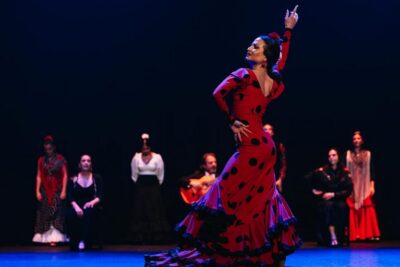 ★ 4.7Live Flamenco Dancing Show Ticket at the TheaterFrom $2716,396 reviews
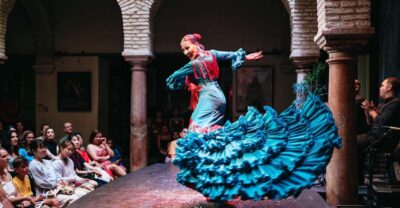 ★ 4.8Puro Flamenco Show with Optional Museum TicketFrom $346,088 reviews
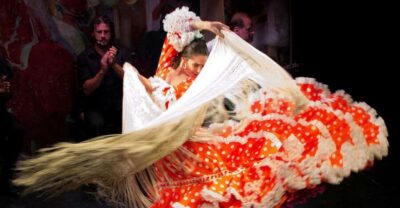 ★ 4.6Live Flamenco Show at “Teatro Flamenco Triana”From $283,290 reviews
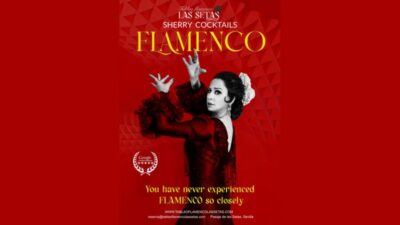 ★ 4.8Flamenco Show Ticket at Tablao Flamenco Las SetasFrom $332,214 reviews
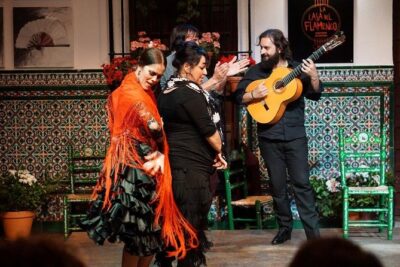 ★ 5.0Authentic Flamenco Show with Tapas & Wine Guided TourFrom $951,476 reviews
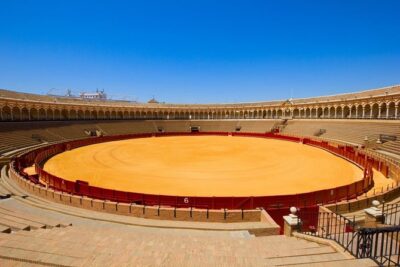 ★ 4.5Flamenco Show at Tablao El Arenal with Drink and Optional Dinner or TapasFrom $591,415 reviews
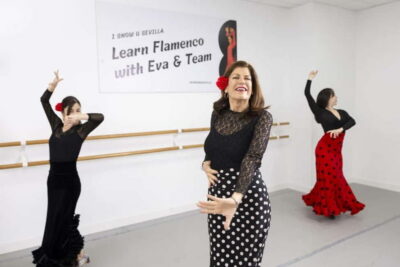 ★ 4.9Flamenco Dance Class with Optional CostumeFrom $331,350 reviews
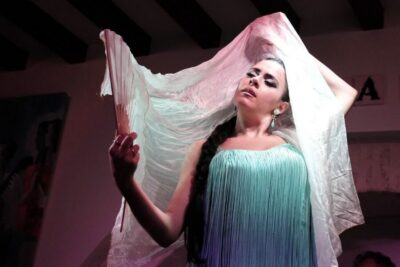 ★ 4.5Ticket to Flamenco Show at La Casa de la GuitarraFrom $231,321 reviews
Browse the lists this tour appears in