
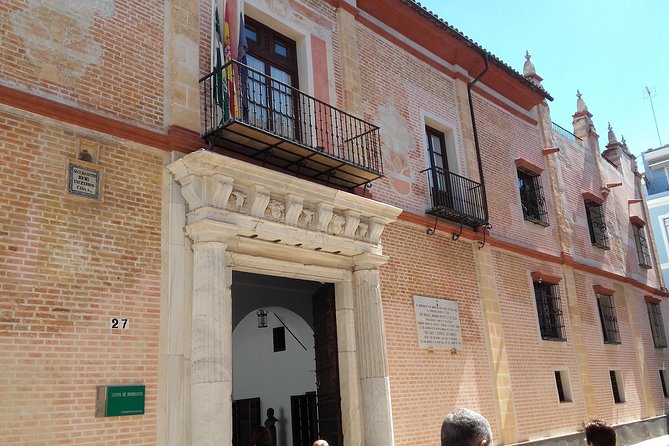
Review · CASA DE PILATOS & SEVILLIAN PALACES
Private visit to Casa de Pilatos and Casa Salinas
One walking route, two famous palaces, and real architectural variety. This private visit connects Casa de Pilatos and Casa Salinas with quick, meaningful stops that explain how Seville’s Jewish and Christian past overlap in the same streets.
I love how the guide turns the houses into stories, not just photo stops—expect details about who lived here and how people shaped these spaces. I also like the pacing: you get a full tour feel at Casa de Pilatos and Casa Salinas, without losing the context of the neighborhood as you move.
One possible drawback: entrance tickets are not included, and some segments are shorter passing-and-explaining moments rather than long time inside every building. If you hate walking between sights, this may feel a bit busy.
In This Review
- Key highlights before you go
- Casa de Pilatos: the palace where styles talk to each other
- The San Bartolomé walk: narrow streets and layered faiths
- Iglesia de Santa María la Blanca: from mosque to synagogue to church
- Casa Salinas: a 16th-century residence with a mosaic surprise
- Private guide and ticket help: why it matters more than you think
- Who this tour suits best
- How the timing feels in 2 hours
- Value: what you really pay for
- Should you book Casa de Pilatos and Casa Salinas together?
- FAQ
- FAQ
- How long is the private visit?
- Is this tour private?
- Where does the tour start and end?
- Are entrance tickets to Casa de Pilatos and Casa Salinas included?
- Does the guide help with tickets?
- What stops are included besides the two palaces?
- Is the tour suitable for most travelers?
- Do I need good weather for the experience?
- Are service animals allowed?
- Will I receive confirmation right away?
- Is there anything to know about radio guides?
Key highlights before you go
- Two palaces in one loop: Casa de Pilatos first, then Casa Salinas, with a historic route between.
- Style mash-up at Casa de Pilatos: Gothic, Mudejar, and Renaissance blended in one coherent complex.
- Synagogue-and-mosque context on the streets: key stops include Iglesia de Santa María la Blanca and the Church of San Bartolomé area.
- A private home you can still feel: Casa Salinas remains a residence, restored carefully by its owners.
- Ticket help included: your guide assists with purchasing entries at the sites.
Other palace courtyards worth stepping into
- Seville: Flamenco at El Palacio Andaluz with Optional Dinner★ 4.6 · 1,319 reviews
- “Las Dueñas” Palace ticket + Audioguide★ 4.5 · 242 reviews
- Flamenco Show at El Palacio Andaluz Admission Ticket in Seville★ 4.5 · 136 reviews
Casa de Pilatos: the palace where styles talk to each other
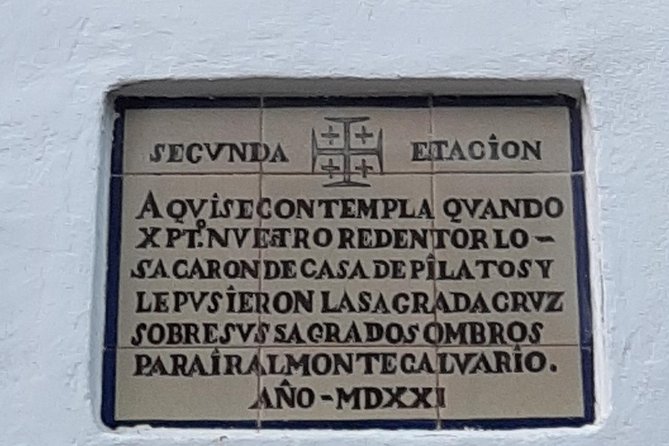
Casa de Pilatos is one of those Seville places that rewards slow attention. Even before you reach the biggest wow moments, the complex sets up what you’re about to see: a blend of Gothic, Mudejar, and Renaissance design that doesn’t feel random. It feels planned.
Inside, the tour focuses on the architectural anchors. You’ll spend time with the monumental cover, sculpture collections, and the tiles that cover walls like patterned armor. Then come the coffered ceilings and the grand staircase leading up to the main floor—perfect for understanding how this place was meant to impress visitors.
One reason I think this stop is such good value in a short tour: the guide doesn’t treat the house like a museum display. You’ll also get a feel for daily life—how inhabitants used the space, and how the gardens brought a kind of quiet freshness to the complex. It’s the difference between seeing rooms and understanding the rhythm of a residence.
If you like human stories, keep an ear open for mentions tied to the people connected to the houses. In particular, you may hear about figures such as Catarina and her sons—stories that make the architecture feel less distant.
The San Bartolomé walk: narrow streets and layered faiths
After Casa de Pilatos, you head through the San Bartolomé neighborhood—tight streets that make Seville feel like Seville. This is not wasted time. It’s where the tour earns its depth.
On the way, you pass the House of Mañara, then you reach the Church of San Bartolomé. The key point here is what happened on that ground before it became a church: it was built where one of the three synagogues of Seville once stood. That matters, because it shows how the city’s religious landscape shifted over centuries, often without starting from scratch.
This portion works best when you enjoy context as much as sights. The walking segments are the connective tissue, and they help you understand why the later stops aren’t just pretty buildings—they’re historical pivots.
Practical tip: wear shoes that can handle cobbles. The streets are charming, but they’re not gentle.
Iglesia de Santa María la Blanca: from mosque to synagogue to church
Next is Iglesia de Santa María la Blanca. This stop is brief—about 10 minutes—but it’s packed with meaning because of what the building represents.
You’ll be shown its origin story: it was originally a mosque. Later, Ferdinand III ceded it to the Jewish community for use as a synagogue. After that phase, it was transformed into a church. So in one place, you get multiple layers of Seville’s history without needing a long detour.
Even if you don’t read every plaque, you’ll leave with a clearer mental map of how Islamic, Jewish, and Christian eras overlapped in this part of town. And since you’ve just walked the San Bartolomé area, the story lands with more impact.
If your top priority is maximum time inside buildings, you might wish this stop lasted longer. But as a short stop that sets up the next palace, it plays an important role.
Still deciding? A few more Seville picks worth a look.



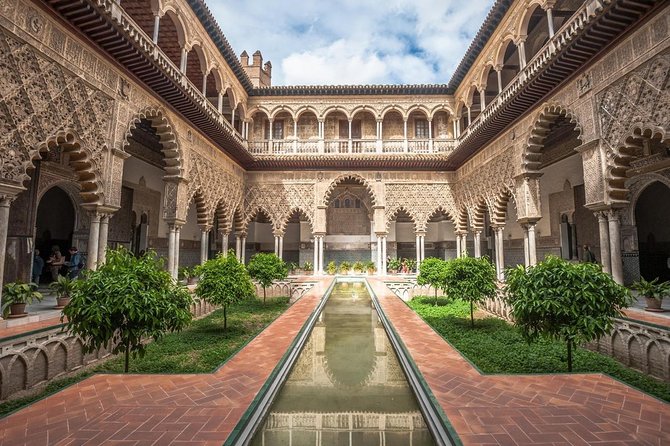
Casa Salinas: a 16th-century residence with a mosaic surprise
Casa Salinas is where the tour slows down again. This is a 16th-century palace house that continues to function as a private residence. That single detail changes the mood: this doesn’t feel like a showpiece staged only for visitors. It feels like a home that happens to be open.
You’ll admire the patio, with arched galleries and plasterwork. The columns are described as Genoese marble columns, and the decoration includes tiled cloths and Cartuja windows. The overall effect is elegant, but still human-scale—like beauty with practical use.
Then you’ll move through ground-floor rooms that are still used by the owners. That means you’re not just seeing empty spaces. You’re seeing how the house lives day to day.
The courtyard brings the most specific wow moment: an impressive Roman mosaic from the second century, dedicated to the god Bacchus. Even if you’ve seen mosaics before, this one has the advantage of setting. It’s housed inside a palace courtyard, so it ties ancient art to a later layer of Seville life.
One small consideration: because it’s still a residence, access and flow are typically controlled. You’ll get the key rooms and courtyard views, but you won’t wander at your own pace like you might in a standard public museum.
Private guide and ticket help: why it matters more than you think
This experience is private, meaning it’s just your group—no blending into strangers. In real terms, that usually means fewer waiting moments and more flexibility for the guide to adjust explanations to your questions.
You’ll also get assistance with purchasing tickets at each site. That’s a practical win in Seville, where entry lines can soak up the best part of your day. It also helps you avoid the awkward moment of trying to decode ticket desks while your guide is watching the clock.
A note on the guide: the experience provider is Clara Alarcón, and there have been guides like Carmen mentioned as well. In both cases, the guiding style is consistently described as lively and attentive, with strong communication skills (English and German come up in feedback). If language matters a lot for you, it’s smart to confirm at booking which language options are available.
Who this tour suits best
This private plan works especially well if you:
- like architecture but also want the human stories behind it
- want a concentrated Seville stop that doesn’t turn into an all-day marathon
- enjoy religious-history context without needing a separate full history tour
If you only want long, uninterrupted time inside the biggest rooms, you may prefer a format that gives more hours per site. This one is built for smart pairing.
How the timing feels in 2 hours
The tour runs about 2 hours. The structure is straightforward:
- about 1 hour at Casa de Pilatos
- a walking segment through San Bartolomé with quick explanations
- about 10 minutes at Iglesia de Santa María la Blanca
- about 40 minutes at Casa Salinas
So yes, you’ll move. But you’re not just between stops—you’re learning while you go. That’s the main reason this pairing works: it uses the neighborhood as part of the lesson plan.
If you’re sensitive to walking time, bring water and plan for short legs and stops. The total duration is still short enough to keep the experience from tiring you out, as long as your shoes can handle old-city pavement.
Value: what you really pay for
The price shown here lists as $0.00, but the important part is what’s included versus not included. Entrance tickets for the palaces are not included, so you’ll budget separately for entry at the sites.
That can make the tour feel like a bargain—or like a disappointment—depending on what you expected. Here’s my take on value:
- You’re paying for a private guide, smart sequencing, and assistance buying tickets.
- You’re also paying for contextual stops that you might miss if you were going solo, especially the religious-history connections.
- Your time in the two palaces is meaningful: enough to see the big architectural and decorative highlights at both Casa de Pilatos and Casa Salinas.
If you were planning to visit both houses anyway, the guide help and the ticket assistance usually justify the format. If you’re only curious about one palace, you may want to visit that one first and spend your time elsewhere.
Should you book Casa de Pilatos and Casa Salinas together?
I’d book it if you want Seville in a compact, high-impact format: two palaces, plus the story of how different faiths shaped the same streets. It’s especially good for architecture lovers who also enjoy learning how people lived.
Don’t book it if your ideal tour is long hours in a single building with zero walking. Also, check your expectations about ticket costs. The best experience comes when you treat this as a guided route through palaces and neighborhood history, not just a way to see interiors for free.
FAQ
FAQ
How long is the private visit?
It runs for about 2 hours.
Is this tour private?
Yes. It’s private, and only your group participates.
Where does the tour start and end?
It starts at Casa de Pilatos, Pl. de Pilatos, 1, Casco Antiguo, 41003 Sevilla, Spain. It ends at Casa Salinas, C. Mateos Gago, 39, Casco Antiguo, 41004 Sevilla, Spain.
Are entrance tickets to Casa de Pilatos and Casa Salinas included?
No. Entrance tickets are not included.
Does the guide help with tickets?
Yes. The tour includes assistance with purchasing tickets at each site.
What stops are included besides the two palaces?
You also visit Iglesia de Santa María la Blanca and make stops/passings on the way related to the San Bartolomé neighborhood, including the Church of San Bartolomé area.
Is the tour suitable for most travelers?
Yes. Most travelers can participate.
Do I need good weather for the experience?
Yes. The tour requires good weather. If it’s canceled due to poor weather, you’ll be offered a different date or a full refund.
Are service animals allowed?
Yes, service animals are allowed.
Will I receive confirmation right away?
You receive confirmation at booking unless you book within 9 days of travel. In that case, confirmation is received within 48 hours, subject to availability.
Is there anything to know about radio guides?
Radio guides are not included. They are necessary for groups from 7 people, and they are charged at the beginning of the tour.
Seville at Your Own Pace, Privately
- Seville: Private City Tour by Eco Tuk Tuk
★ 4.8 · 963 reviews - Tour Welcome Seville with Local Guide in Eco Tuk Tuk Private
★ 5.0 · 786 reviews - Private Seville Tapas & History Tour
★ 5.0 · 380 reviews - Seville Private Walking Tour with Alcazar & Cathedral Tickets
★ 5.0 · 332 reviews - Private White Villages & Ronda Day Tour from Seville
★ 5.0 · 243 reviews
More Tour Reviews in Seville
- Seville: Live Flamenco Dancing Show Ticket at the Theater
★ 4.7 · 16,396 reviews - Seville: Alcázar, Cathedral & Giralda Skip-the-Line Tour
★ 4.8 · 11,525 reviews - Seville: 1-Hour Guadalquivir River Sightseeing Eco Cruise
★ 4.2 · 10,281 reviews - Seville: Setas de Sevilla Entry Ticket
★ 4.6 · 8,901 reviews - Seville: Cathedral, Giralda & Alcazar Entry With Guided Tour
★ 4.6 · 8,560 reviews
More Sevillian Palace Courtyards
- Seville: Casa de Pilatos Ground Floor Entry Ticket
★ 4.5 · 5,691 reviews - Seville: Flamenco at El Palacio Andaluz with Optional Dinner
★ 4.6 · 1,319 reviews - “Las Dueñas” Palace ticket + Audioguide
★ 4.5 · 242 reviews - Flamenco Show at El Palacio Andaluz Admission Ticket in Seville
★ 4.5 · 136 reviews - Seville: Palacio de Las Dueñas Entry Ticket and Guided Tour
★ 4.5 · 79 reviews
Just added to the Seville list


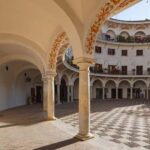
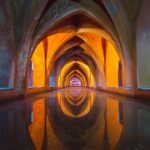

Casa de Pilatos & Sevillian Palaces, compared.
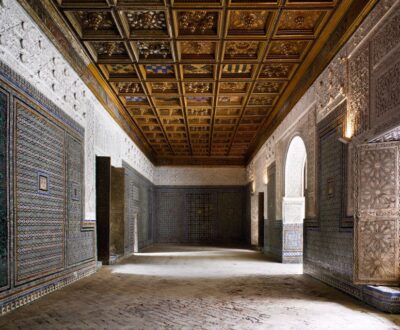 ★ 4.5Casa de Pilatos Ground Floor Entry TicketFrom $145,691 reviews
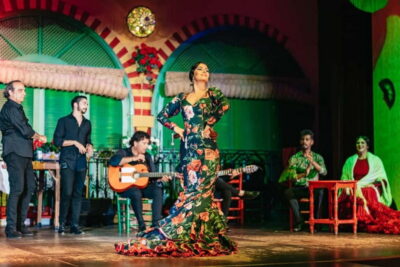 ★ 4.6Flamenco at El Palacio Andaluz with Optional DinnerFrom $381,319 reviews
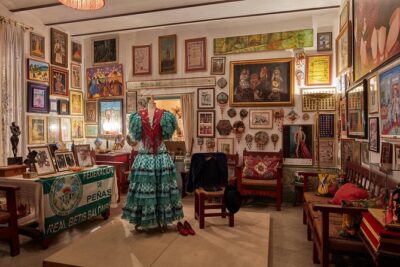 ★ 4.5“Las Dueñas” Palace ticket + AudioguideFrom $18242 reviews
 ★ 4.5Flamenco Show at El Palacio Andaluz Admission Ticket in SevilleFrom $65136 reviews
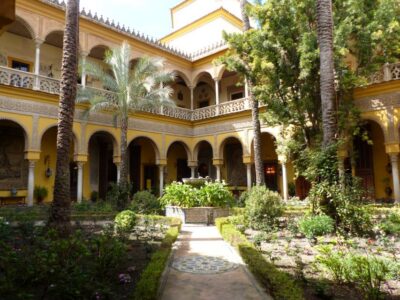 ★ 4.5Palacio de Las Dueñas Entry Ticket and Guided TourFrom $2979 reviews
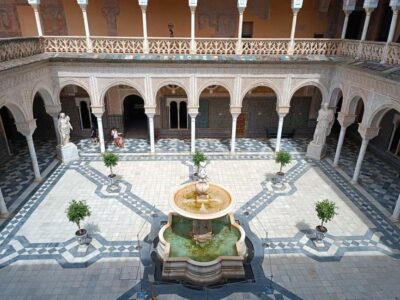 ★ 4.6Guided visit to the Casa de Pilatos with ticketsFrom $2958 reviews
 ★ 5.0Seville Palaces: Dueñas Palace and Pilate House TourFrom $25628 reviews
 ★ 4.8Salvador Church, Casa Pilatos, and Metropol TourFrom $4620 reviews
Browse the lists this tour appears in