
Seville flamenco can start on a sidewalk. This 2–3 hour small-group experience strings together classic landmark stops, a hands-on flamenco workshop, and a tasting talk so you understand what you’re seeing (and hearing) later. You’ll move through places tied to artists and traditions, then learn basic footwork and clapping you can actually use.
I especially like how the tour builds a theme step by step: from historic flamenco landmarks to the language of a tablao. I also like that it includes a focused visit to Alberto Pantoja Guitars, where you see how guitars are made before you start practicing rhythm.
One thing to consider: the workshop is short. If you want full performance-level training, this won’t replace a longer class, so come for the intro and the context.
In This Review
- Key highlights worth knowing
- Flamenco for a Day in Seville: What to Expect in 2–3 Hours
- Starting at Alameda de Hércules: Flamenco’s Street-Level Backstory
- Macarena Basilica: Liturgical Singing Meets Holy Week Traditions
- Alberto Pantoja Guitars: Seeing How Craft Becomes Sound
- Passing a Dance School: A Quick Glimpse of Today’s Scene
- Estudio Caracoles Workshop: Patadita and Palmas Without Feeling Awkward
- Tapas & Talk at C. Castellar, 52: Learning the Language Behind the Show
- Price and Value: Why $60.08 Can Make Sense
- Best Fit for You: Who Will Enjoy This Most
- Quick Practical Tips Before You Go
- Should You Book This Flamenco Workshop and Tasting Day?
- FAQ
- How long is the Flamenco for a Day Seville tour?
- What time does the tour start?
- Where do I meet the group?
- Where does the tour end?
- Is the tour offered in English?
- What is the group size limit?
- Is the guitar workshop admission included?
- What’s included at the end of the experience?
- Is there any flamenco practice during the tour?
- Can I get a full refund if I cancel?
Key highlights worth knowing
- Macarena Basilica stop ties liturgical flamenco singing to Holy Week traditions in Seville
- Alberto Pantoja Guitars visit shows how flamenco guitars are handcrafted and lets you browse or buy small souvenirs
- Estudio Caracoles workshop teaches a basic patadita step and palmas clapping rhythm
- Tapas & Talk explains how a tablao works and how flamenco communication functions
- Small group (max 15) keeps the vibe personal and easier for first-timers
More nights of guitar and heel on the boards
- Seville: Live Flamenco Dancing Show Ticket at the Theater★ 4.7 · 16,396 reviews
- Seville: Puro Flamenco Show with Optional Museum Ticket★ 4.8 · 6,088 reviews
- Seville: Live Flamenco Show at “Teatro Flamenco Triana”★ 4.6 · 3,290 reviews
Flamenco for a Day in Seville: What to Expect in 2–3 Hours
This isn’t a sit-and-watch only tour. It’s more like a guided crash course in how flamenco lives in Seville: in neighborhoods, in music-making, and in the back-and-forth of a live show. In a couple of hours, you’ll walk between six stops, spend time learning simple movement and rhythm, then end with a snack tasting plus a talk that helps you decode what you see at a tablao.
The schedule is tight but not frantic. You’re typically looking at short visits (think 10–25 minutes per stop) plus two hands-on moments at C. Castellar, 52. The group size caps at 15, which matters here: you’ll get more attention during the workshop, and you’ll feel less self-conscious trying basic steps.
The tour runs in English, uses a mobile ticket, and starts at 10:00 am near Alameda de Hércules at Los Leones (meeting point: Alameda de Hércules, s/n, Casco Antiguo, 41002 Sevilla). It ends at C. Castellar, 52 (Casco Antiguo, 41003 Sevilla). If you like compact experiences that still feel meaningful, this fits that style.
Starting at Alameda de Hércules: Flamenco’s Street-Level Backstory
Your first stop is Alameda de Hércules, where you explore the area and its tributes to flamenco artists. This is a smart opener. It sets the mood that flamenco isn’t just a stage thing—it’s also names on walls, landmarks tied to local identity, and places where the art has been acknowledged over time.
Practically, it’s also a good way to start your morning. You get a quick orientation to the city and to the theme before you step into interiors like basilicas or workshops. The admission here is free, and the visit is about 10 minutes, so you’re not dragged through something long before the fun parts begin.
If you’re the type who usually thinks, I’ll understand later, then yes—do this. Early context makes the rest easier to follow: you start to notice flamenco connections instead of treating them like random decorations.
Macarena Basilica: Liturgical Singing Meets Holy Week Traditions
Next up is the Basilica de la Macarena. You visit both inside and outside to understand the link between liturgical flamenco singing and Seville’s Holy Week traditions. Even if you only catch bits of the explanation, the concept is powerful: flamenco isn’t only about nightlife or fiestas. It also intersects with religious music traditions that shaped local expression.
Why this stop matters: it helps you shift your expectations. When you later watch flamenco, you may pick up on the emotional structure and vocal intensity—how the singing can feel formal and devotional as well as raw and personal. That’s not something a generic flamenco show explanation usually covers.
Time-wise, it’s about 15 minutes. You’ll want to dress comfortably for walking and for interior/exterior transitions. Also, if you’re sensitive to crowds or quiet spaces, plan for the fact that church environments can have their own flow and volume.
Other plates worth a table in Seville


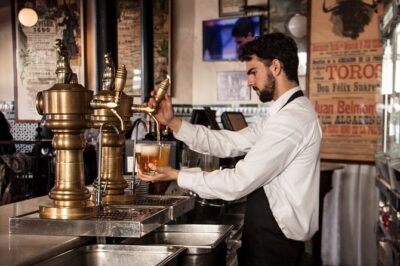

Alberto Pantoja Guitars: Seeing How Craft Becomes Sound
One of the most valuable parts of this tour is the visit to Alberto Pantoja Guitars. You get about 15 minutes here, and admission is included. You’ll see first-hand how flamenco guitars are handcrafted, including what they’re made of and what makes the work special as a luthier.
This matters because flamenco guitar isn’t just background. The instrument drives the rhythm, supports the singer’s phrasing, and interacts with dancers. When you see the craft process and materials, you start thinking about tone and response in a more grounded way. You’ll likely browse more than you planned—because you can actually connect what you’re looking at to the sound you hear in live performances.
If buying small souvenirs is on your list, use this stop for that. You’ll have time to browse, and you’ll know you’re shopping something tied to the guitar-making world—not generic flamenco merchandise.
Passing a Dance School: A Quick Glimpse of Today’s Scene
There’s also a short passing stop by En clave de flamenco, a professional dance school led by Miguel “El Rubio” and Laura Santamaría. You don’t go inside for a full class here, but you do get a snapshot of how flamenco education keeps moving forward in Seville.
This is a good “bridge” moment. You’ll have already walked historic landmarks and learned about traditions, and then you’ll soon start the workshop basics. Seeing a current school connection helps you think about flamenco as a living skill, not only a museum topic.
Estudio Caracoles Workshop: Patadita and Palmas Without Feeling Awkward
The workshop happens at C. Castellar, 52 at Estudio Caracoles. This is one of the two hands-on blocks, lasting about 25 minutes. The focus is practical flamenco fundamentals: a basic patadita (step), how to clap to the rhythm (palmas), and core technique basics.
Here’s why I think this works so well for visitors: it gives you a physical way to understand flamenco timing. When you clap along, your brain stops treating rhythm like background noise. Then the footwork adds another layer—you start to feel how accents and pauses create the conversation between dancer, singer, and guitar.
For your comfort, wear shoes you can move in. You’ll be learning steps and clapping patterns, so try to avoid anything too slick or restrictive. If you’re worried about having no experience, the workshop tone is designed for most people. The goal is not perfection—it’s participation and understanding.
Also, don’t rush the clap patterns. With flamenco rhythm, what feels slightly off at first often becomes clear once you match the structure the instructor is counting.
Tapas & Talk at C. Castellar, 52: Learning the Language Behind the Show
After the workshop, you stay in the area for Tapas & Talk (about 30 minutes). You chat about how a tablao works and the secrets of flamenco communication, so you can enjoy a live show in a more informed way. Snacks tasting of local products happens at the end of the experience, with non-alcoholic options available.
This part is more than food. It’s the explanation layer that turns your practice into understanding. The talk helps you connect what you did with what you’ll see later: flamenco communication is about timing, cues, and the way performers respond to each other. When you understand that, the show becomes less like a performance you watch and more like a conversation you follow.
And yes, the tapas keep it human. You’re not doing a lecture. You’re eating, talking, and leaving with a framework. If you’re the kind of traveler who usually enjoys shows but forgets the details fast, this ending helps the learning stick.
Price and Value: Why $60.08 Can Make Sense
At $60.08 per person, the price might look modest or steep depending on what you compare it to. The reason it can feel like good value is that you get multiple different components in one package: a guided walk through meaningful landmarks, an included ticket experience at the guitar stop, a structured workshop where you practice rhythm and steps, and a tasting at the end.
A big part of the value is also the time efficiency. In 2–3 hours, you get cultural context plus a skill starter plus practical show intel. For many visitors, that combo is what makes the rest of their Seville flamenco experience click.
The small group limit of 15 also adds value. A workshop for rhythm and footwork works better when the group doesn’t feel huge. You’re more likely to get guidance and feel comfortable trying.
If you like spending your vacation time learning something you can use later, this is a strong candidate.
Best Fit for You: Who Will Enjoy This Most
I think this tour is a great fit if you want flamenco beyond the obvious show ticket. You’ll enjoy it if you like:
- walking with context (landmarks tied to artists and traditions)
- hands-on learning, even if you’re starting from scratch
- a guided explanation that helps you watch a tablao with better instincts
- a short day activity that doesn’t swallow your afternoon
It may be less satisfying if you’re chasing a full, long training session. This is an intro workshop: you’ll learn basic steps and clapping, not advanced compás work or extended choreography. But as a first step, it’s exactly the type of experience that makes future flamenco shows more rewarding.
Also, since the experience uses English and most travelers can participate, it’s easy to plug into a typical itinerary. Service animals are allowed, and it’s near public transportation—helpful if your day already has a lot of moving parts.
Quick Practical Tips Before You Go
- Arrive a few minutes early at the Alameda de Hércules meeting area (Los Leones), since the experience starts at 10:00 am.
- Bring comfortable shoes for the workshop step and clapping practice.
- If you want a guitar-related souvenir, treat the guitar stop as your main shopping window.
- Save your energy for the end: the talk and tasting are part of why this works.
If you need flexibility, you can cancel for a full refund up to 24 hours before the start time.
Should You Book This Flamenco Workshop and Tasting Day?
Yes—if you want a flamenco day that teaches you how to watch, not just how to stand still. The strongest reasons to book are the blend of meaningful Seville stops, the guitar-maker craft visit, and the short workshop where you learn patadita and palmas before the tasting talk explains how a tablao communicates.
I’d skip it only if you’re looking for a longer performance-focused class or a deep, hours-long training session. For most visitors who want an authentic, grounded introduction to flamenco in Seville, this is a smart use of a morning.
FAQ
How long is the Flamenco for a Day Seville tour?
It runs for about 2 to 3 hours.
What time does the tour start?
The start time is 10:00 am.
Where do I meet the group?
You meet at Los Leones, Alameda de Hércules, s/n, Casco Antiguo, 41002 Sevilla, Spain.
Where does the tour end?
It ends at C. Castellar, 52, Casco Antiguo, 41003 Sevilla, Spain (Castellar 52).
Is the tour offered in English?
Yes, it is offered in English.
What is the group size limit?
The maximum group size is 15 travelers.
Is the guitar workshop admission included?
Yes. Admission is included for the Alberto Pantoja Guitars stop.
What’s included at the end of the experience?
You get snacks tasting of local products (appetizers) at the end, and non-alcoholic options are available.
Is there any flamenco practice during the tour?
Yes. You do a workshop where you learn a basic patadita (step), clap to the rhythm (palmas), and learn flamenco technique fundamentals.
Can I get a full refund if I cancel?
You can cancel up to 24 hours in advance for a full refund. If you cancel less than 24 hours before the start time, the amount paid is not refunded.
More Tours in Seville
- Seville: Alcázar, Cathedral & Giralda Skip-the-Line Tour
★ 4.8 · 11,525 reviews - Seville: Cathedral, Giralda & Alcazar Entry With Guided Tour
★ 4.6 · 8,560 reviews - Seville: Priority Access Cathedral, Giralda & Alcázar Tour
★ 4.8 · 7,563 reviews - Seville: Alcázar and Cathedral Entry Ticket and Guided Tour
★ 4.6 · 5,056 reviews - Seville: City Sightseeing Hop-On Hop-Off Bus Tour
★ 4.0 · 4,633 reviews
More Tour Reviews in Seville
- Seville: Live Flamenco Dancing Show Ticket at the Theater
★ 4.7 · 16,396 reviews - Seville: Alcázar, Cathedral & Giralda Skip-the-Line Tour
★ 4.8 · 11,525 reviews - Seville: 1-Hour Guadalquivir River Sightseeing Eco Cruise
★ 4.2 · 10,281 reviews - Seville: Setas de Sevilla Entry Ticket
★ 4.6 · 8,901 reviews - Seville: Cathedral, Giralda & Alcazar Entry With Guided Tour
★ 4.6 · 8,560 reviews
Flamenco, One More Night
- Seville: Live Flamenco Dancing Show Ticket at the Theater
★ 4.7 · 16,396 reviews - Seville: Puro Flamenco Show with Optional Museum Ticket
★ 4.8 · 6,088 reviews - Seville: Live Flamenco Show at “Teatro Flamenco Triana”
★ 4.6 · 3,290 reviews - Seville: Flamenco Show Ticket at Tablao Flamenco Las Setas
★ 4.8 · 2,214 reviews - Authentic Flamenco Show with Tapas & Wine Guided Tour
★ 5.0 · 1,476 reviews
Just added to the Seville list


Flamenco in Seville, compared.
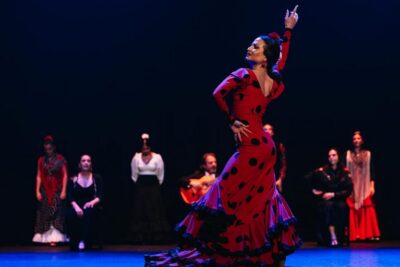 ★ 4.7Live Flamenco Dancing Show Ticket at the TheaterFrom $2716,396 reviews
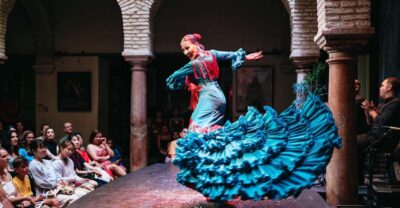 ★ 4.8Puro Flamenco Show with Optional Museum TicketFrom $346,088 reviews
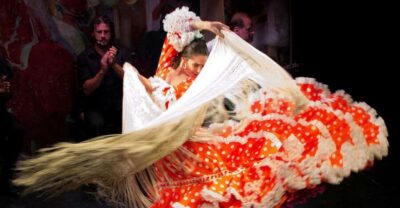 ★ 4.6Live Flamenco Show at “Teatro Flamenco Triana”From $283,290 reviews
 ★ 4.8Flamenco Show Ticket at Tablao Flamenco Las SetasFrom $332,214 reviews
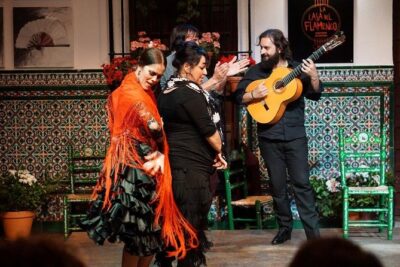 ★ 5.0Authentic Flamenco Show with Tapas & Wine Guided TourFrom $951,476 reviews
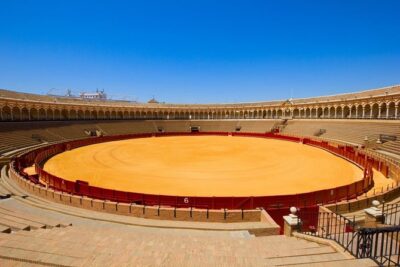 ★ 4.5Flamenco Show at Tablao El Arenal with Drink and Optional Dinner or TapasFrom $591,415 reviews
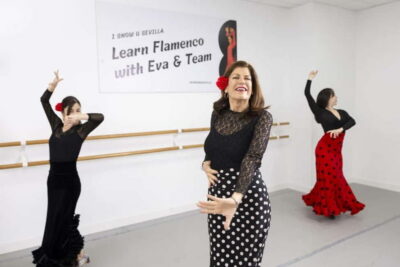 ★ 4.9Flamenco Dance Class with Optional CostumeFrom $331,350 reviews
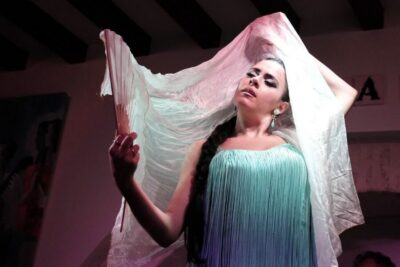 ★ 4.5Ticket to Flamenco Show at La Casa de la GuitarraFrom $231,321 reviews
Browse the lists this tour appears in