
Review · SEVILLE OLD TOWN WALKS
Seville: Tiny-Group Medieval Quarter Discovery Walking Tour
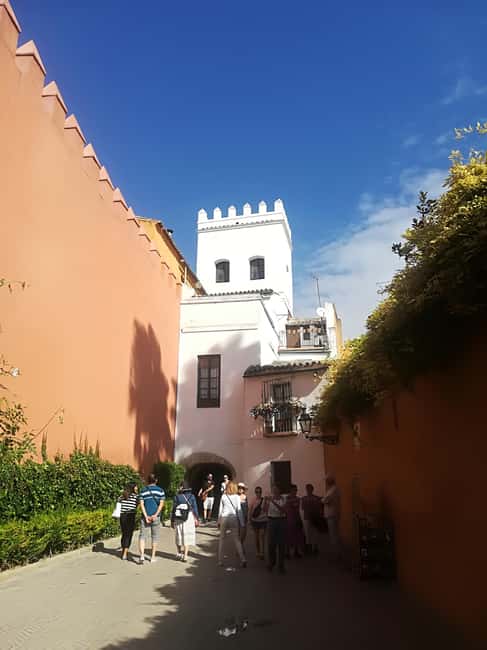
One sentence in Seville can lead you somewhere unexpected. This tiny-group walk through Santa Cruz turns street corners into stories about the Jewish community, with stops tied to famous opera and literature. I especially like how the guide uses the neighborhood’s layout—plazas, alleys, and patios—to make history feel practical, not textbook. I also like the small-group pace, with room for questions. The main drawback to plan around is that it’s a walking tour on narrow, uneven old-street terrain, so it may not feel great if you have mobility limits.
You’ll meet at a landmark location by the cathedral and Royal Alcázar, then move through one of Seville’s most atmospheric quarters with frequent “look closely” moments. Expect classic Andalusian details—iron balconies and courtyard patios—plus a clear narrative thread that connects the Jewish past of the district to how Seville shows up in culture.
In This Review
- Key highlights to expect on this Seville walking tour
- Why the Santa Cruz streets feel like a living museum
- Start at Plaza del Triunfo, right between the big hitters
- Patio de Banderas: palace-era Seville energy in miniature
- The quick story stops that connect the route into one narrative
- Plaza de Doña Elvira and Calle Vida: where romance and resilience get talked about
- Callejón del Agua: the narrow lane that teaches you how Seville works
- Jardines de Murillo: a breather without losing the plot
- Finish at Iglesia de Santa María la Blanca: ending at a key landmark
- Price and value: what $47 buys you in real-world time
- Who this tour suits best (and who should skip it)
- Practical tips so you enjoy it instead of just surviving it
- Tiny group energy: why the pace matters
- Should you book this Seville Jewish Quarter discovery walk?
- FAQ
- Where is the meeting point for the tour?
- How long is the Seville Santa Cruz Jewish Quarter discovery walking tour?
- What languages are available for the live guide?
- Is the tour wheelchair accessible?
- What should I bring for the walk?
- Are entrance fees or food included?
Key highlights to expect on this Seville walking tour
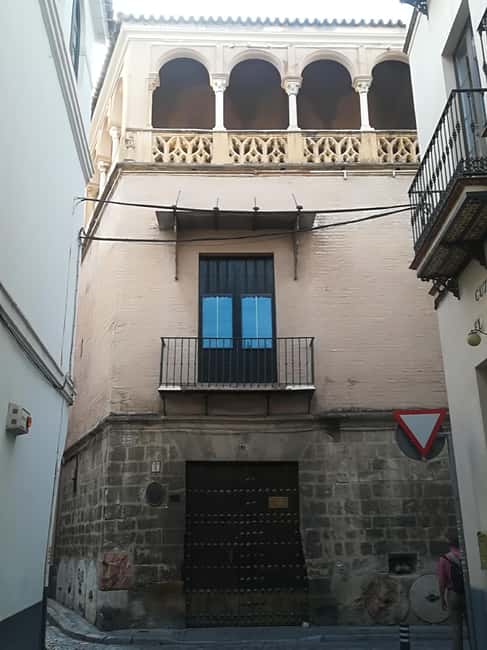
- Santa Cruz Jewish Quarter focus with stories tied to Seville’s past and culture
- Opera and literature connections (including references to Carmen and The Barber of Seville)
- Iconic stops such as Plaza de Doña Elvira, Calle Vida, and Callejón del Agua
- Short, guided pauses that keep the pace lively over about 1.5 hours
- Andalusian architecture moments like traditional patios and wrought-iron balconies
- Small-group format that makes it easier to ask questions
Seville on foot, a few more walks
- Seville: Small-Group City Highlights Walking Tour★ 5.0 · 1,204 reviews
- Cultural Walking Tour of Seville Monumental★ 5.0 · 861 reviews
- Seville: Tapas, Taverns, and History Walking Tour★ 4.9 · 676 reviews
Why the Santa Cruz streets feel like a living museum
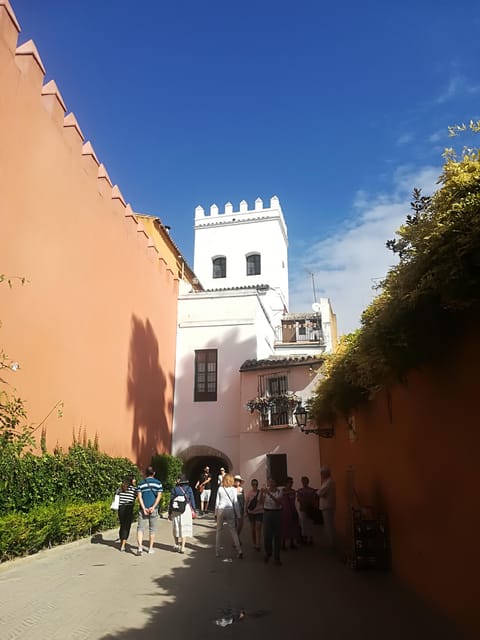
Seville’s old center can look like a postcard from 20 feet away. Up close, the Santa Cruz district works differently. It’s a maze of narrow lanes and sudden little squares, and that’s exactly why this tour clicks.
The tour’s sweet spot is how it uses the street plan as the lesson. Instead of only describing people and dates, the guide points out how space shaped everyday life: where you’d pass, where you’d pause, where you’d notice social and cultural identity. You end up understanding the area as a place people moved through—not just a list of sights.
Two themes run through the experience. First is the Jewish history of Santa Cruz—your guide highlights the community’s influence on the city’s history and culture. Second is how Seville’s image traveled into art forms. The tour explicitly ties the neighborhood to the world of opera and literature, including references like Carmen and The Barber of Seville. Even if you’re not an opera superfan, it’s a fun way to see how real neighborhoods inspire famous storytelling.
Practical note: the route is in historic streets. Comfortable shoes are not optional.
Start at Plaza del Triunfo, right between the big hitters
You begin at the foot of the Monumento a la Inmaculada Concepción in the center of Plaza del Triunfo, between the cathedral and the Royal Alcázar. This is a smart meeting point because you’re already in the right “Seville mode” before you even start walking.
In the first stretch, you’ll likely be getting your bearings fast. That matters because Santa Cruz is all twists and turns. When you start with a clear reference point, you can relax and enjoy the storytelling instead of playing human GPS.
There’s also a time-and-energy advantage here: you don’t waste your whole morning hunting for the meeting spot. You’re in the historic core, ready to go.
What to watch for: the tour is about 1.5 hours. You’ll be on your feet the whole time, and the pacing is tight enough that you can’t treat it like a slow stroll with photos every five steps.
Patio de Banderas: palace-era Seville energy in miniature
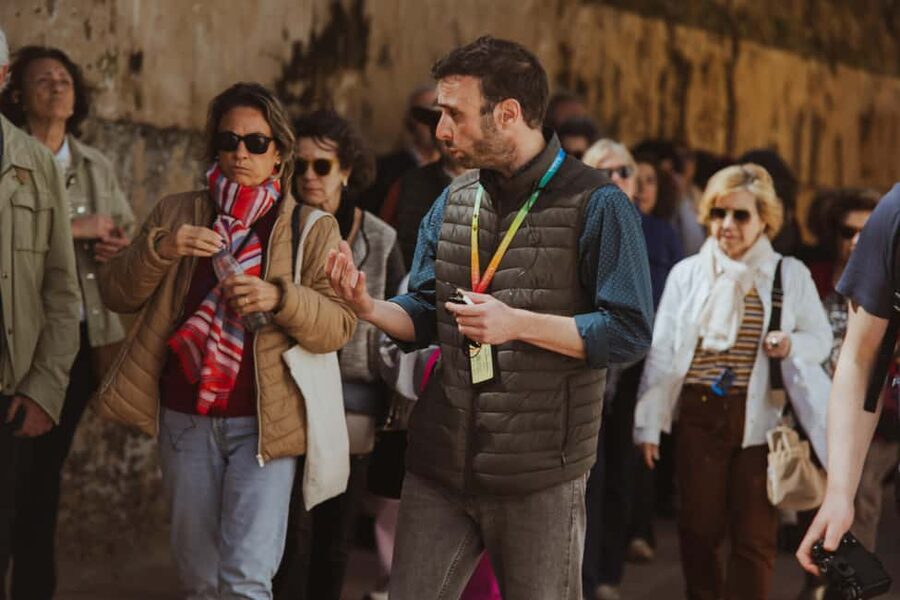
One of the first guided stops is Patio de Banderas. Even if you’re only seeing it from within the flow of the walk, it sets the tone. Courtyards like this are a big part of Seville’s architecture and daily rhythm: shade, perspective, and that “pause here” feeling you get when streets open into a space meant for people.
From a tour-value standpoint, this is a good early anchor. It gives your brain a visual reference before you go back into the tighter maze streets. You’ll be better at spotting the patterns—like how patios connect buildings and how a neighborhood can hold multiple layers of influence over time.
Possible drawback: if you’re expecting lots of indoor time or long museum-style explanations, this isn’t that kind of tour. The format is walking with short, guided story pauses.
Still deciding? A few more Seville picks worth a look.
The quick story stops that connect the route into one narrative
Between the major named stops, the tour includes several short guided moments (each around 15 minutes). That structure is practical. Instead of forcing one long lecture, you get repeated bursts of context, then you move on right away.
This is especially helpful for the theme of Jewish history in Santa Cruz. Community history can be broad, and the guide’s job is to keep it anchored to what you’re actually seeing outside your window. Short pauses help you connect names, locations, and cultural influence to the physical setting.
Also, you’ll likely get a little cultural cross-wiring here: architecture and everyday life link back to how Seville later showed up in stories, including opera. References like Carmen and The Barber of Seville are part of the tour’s big picture, and the quick stops keep those references from feeling random.
My advice: when you hear a new street or place name, repeat it once under your breath. It helps you remember the sequence while the neighborhood changes every few turns.
Plaza de Doña Elvira and Calle Vida: where romance and resilience get talked about
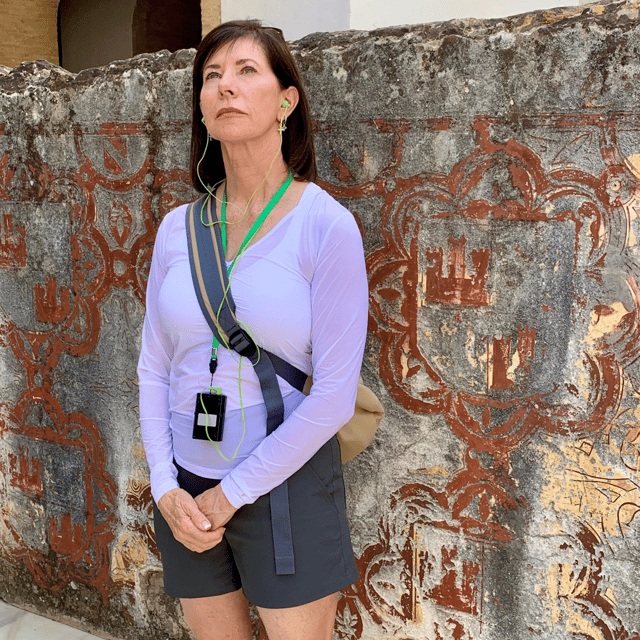
Two standout locations are Plaza de Doña Elvira and Calle Vida. Plazas in old Seville aren’t just pretty. They’re social space. They’re where stories gather and where neighborhoods show their character.
At this stage in the tour, you’ll be hearing about the neighborhood through the lens of romance, resilience, and intrigue. That theme can sound dramatic, but in practice it’s tied to how communities live—how people identify one another, where they trade, where they meet, and how cultural influence survives even as cities change.
Calle Vida is one of those street names that practically begs for a story. Your guide uses it to connect the Jewish community’s presence and influence with the way Seville later became a stage for famous art and literature. It’s not just “here’s a street.” It’s “here’s why this kind of place shows up in storytelling.”
What to do on the ground: keep an eye on sightlines. On these streets, you’ll often get a view that shows how buildings frame the lane. That’s where the architecture talk—like traditional Andalusian patios and ironwork—starts to make sense.
Callejón del Agua: the narrow lane that teaches you how Seville works
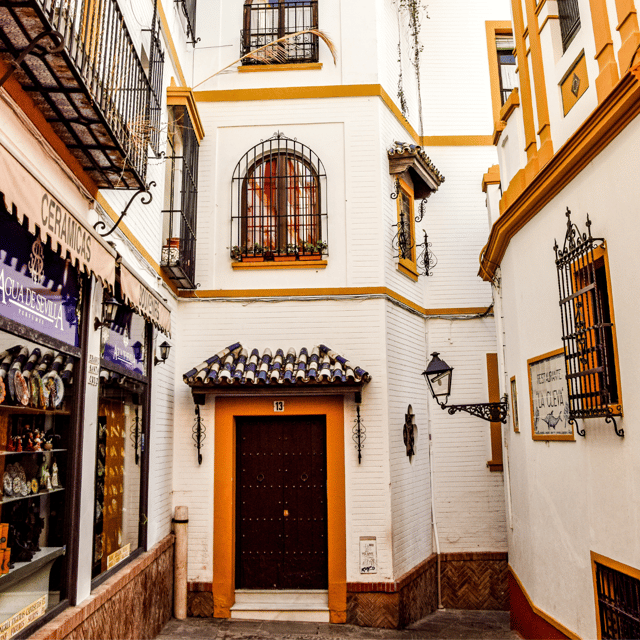
One of the most memorable named stops is Callejón del Agua. Narrow lanes like this are where Santa Cruz feels most “real.” You’re not just looking at a famous spot; you’re experiencing how a neighborhood moves people through space.
This alley fits the tour’s storytelling style perfectly. A narrow passage forces you to slow down. It’s hard to rush through it, and that makes the guide’s anecdotes easier to absorb. You also get a clear sense of what a labyrinth neighborhood means: it’s not chaos. It’s identity—built over time.
The tour ties these street moments back to cultural legacy. So while you’ll notice details like surrounding architecture and the tight feel of the lane, you’ll also hear the “why” behind the Jewish Quarter’s impact on Seville’s history and culture.
Practical drawback: photos can be tricky here because the alley is tight and lighting can vary. Just don’t stop so long that you lose the group’s rhythm.
Jardines de Murillo: a breather without losing the plot

You’ll also spend time at Jardines de Murillo. Gardens can be a relief on a walking tour, but these aren’t a random rest stop. A pause in green space gives your mind a reset so you can keep track of the story after hours of stone and turns.
This part of the walk is useful if you’re the type who likes to process. You’ll get a little breathing room, and then you continue with the cultural narrative intact. It also helps you appreciate why the area works architecturally—courtyards and gardens complement the street maze rather than replacing it.
Tip: if you’re sensitive to heat, this is a good place to take water out and do a real sip. The tour suggests bringing water, especially on hot days, and this is the moment you can be smart about it.
Finish at Iglesia de Santa María la Blanca: ending at a key landmark
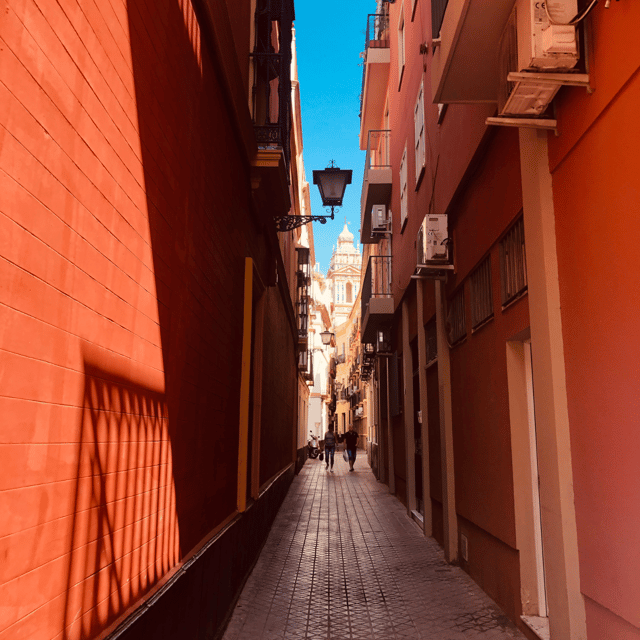
The tour ends at Iglesia de Santa María la Blanca. Finishing at a church tied to the area’s story is a strong way to wrap up. It gives you a solid visual endpoint, and it reinforces the tour’s core theme: the Jewish presence and influence in Seville, told through the physical landmarks that still shape how the neighborhood feels today.
By the time you reach the final stop, you’ve already walked through the Santa Cruz maze, seen key streets, and heard the opera and literature connections. Ending at this landmark helps everything “click” into a coherent picture.
Good to know: entrance fees are not included. The tour describes walking and guided storytelling, not guaranteed access inside every stop. If you’re hoping to go in for a longer visit after the tour, plan a bit of extra time.
Price and value: what $47 buys you in real-world time
At $47 per person for about 1.5 hours, the value is in two places: expert guidance and how efficiently the guide uses the neighborhood.
You’re not paying for a bus ride or a long museum commitment. You’re paying for someone to turn the Santa Cruz district into a guided route of meaning—Jewish history, cultural influence, and a connection to opera and literature. You also get a small-group format, which typically means you can ask questions and get answers that fit your curiosity instead of waiting for the whole group to catch up.
What’s not included matters for expectations:
- No hotel pickup or drop-off.
- No food and drinks.
- No entrance fees to attractions.
So think of this tour as the culture-and-context foundation. If you want to snack afterward or see interiors, you’ll handle that separately.
In short: this is good value if you enjoy walking + stories, and you like learning through place names, architecture, and street layout.
Who this tour suits best (and who should skip it)
This is a great fit if you want:
- a focused look at the Santa Cruz Jewish Quarter
- a guided route that highlights specific places like Plaza de Doña Elvira and Callejón del Agua
- cultural context tied to famous works like Carmen and The Barber of Seville
- a small-group pace where questions are welcome
It’s less ideal if:
- you’re struggling with uneven old streets or short stair steps (the tour is not framed as stroller-friendly)
- you need lots of wheelchair-friendly straight paths
There’s also a bit of a contradiction in the posted access notes: the activity says it’s wheelchair accessible, but it also states it’s not suitable for wheelchair users and people with mobility impairments. If accessibility matters for you, I’d treat that as a red flag and contact the provider to confirm what the route looks like on the day you go.
Practical tips so you enjoy it instead of just surviving it
This tour stays comfortable if you pack smart:
- Wear comfortable shoes with grip. Old streets can be slick.
- Bring water, especially in warm weather.
- Bring a hat for sun and shade changes across plazas and lanes.
A few behavior notes:
- Alcohol and drugs are not allowed.
- You’ll want to keep your hands free so you can point, take notes, or use your phone without slowing the group too much.
Languages offered include English, Spanish, Japanese, and French. If you’re choosing based on language, pick the option you can understand best for quick, story-heavy explanations.
Tiny group energy: why the pace matters
The tour is designed for a small group. That sounds like marketing until you feel it in the street maze. With fewer people, the guide can actually shape the walking rhythm around your understanding. The tour also includes the kind of quick pauses where questions can fit naturally rather than getting cut off.
In past departures, guides such as Anaïs and Roberto have been singled out for strong explanations and being responsive to tangential questions. You may also notice that some groups can get reconfigured if numbers are high, which can lead to very small groups.
What you’ll notice: you’re not just following; you’re participating.
Should you book this Seville Jewish Quarter discovery walk?
Yes, book it if you want a smart, place-based introduction to Seville’s Santa Cruz district—especially if you like learning through streets, architecture, and story connections to opera and literature. The 1.5-hour format is a good chunk of time when you’re also trying to see the Alcázar or cathedral area without overstuffing your day.
Hold off or ask extra questions first if you have mobility limits or accessibility needs, because the neighborhood’s old-street terrain is part of the experience. And if you want interiors and long visits, treat this as the guided storyline layer, then add optional self-guided time afterward.
If you’re standing in Plaza del Triunfo thinking Seville looks beautiful but a bit confusing, this tour is the short, friendly way to get your bearings fast—then enjoy the rest of the day with a clearer story in your head.
FAQ
Where is the meeting point for the tour?
You meet at the foot of the Monumento a la Inmaculada Concepción in the center of Plaza del Triunfo, between the cathedral and the Royal Alcázar.
How long is the Seville Santa Cruz Jewish Quarter discovery walking tour?
The tour lasts about 1.5 hours.
What languages are available for the live guide?
The live tour guide is available in English, Spanish, Japanese, and French.
Is the tour wheelchair accessible?
The activity information lists wheelchair accessibility, but it also states it is not suitable for wheelchair users and people with mobility impairments. If accessibility is important, you should confirm details with the provider before booking.
What should I bring for the walk?
Bring comfortable shoes, a hat, and water (especially on hot days).
Are entrance fees or food included?
Entrance fees to attractions are not included, and the tour does not include food or drinks. The tour includes an expert guide and a walking tour with stories of Seville’s Jewish past, plus insights into local arts, crafts, and customs.
More Tours in Seville
- Seville: Alcázar, Cathedral & Giralda Skip-the-Line Tour
★ 4.8 · 11,525 reviews - Seville: Cathedral, Giralda & Alcazar Entry With Guided Tour
★ 4.6 · 8,560 reviews - Seville: Priority Access Cathedral, Giralda & Alcázar Tour
★ 4.8 · 7,563 reviews - Seville: Alcázar and Cathedral Entry Ticket and Guided Tour
★ 4.6 · 5,056 reviews - Seville: City Sightseeing Hop-On Hop-Off Bus Tour
★ 4.0 · 4,633 reviews
More Tour Reviews in Seville
- Seville: Live Flamenco Dancing Show Ticket at the Theater
★ 4.7 · 16,396 reviews - Seville: Alcázar, Cathedral & Giralda Skip-the-Line Tour
★ 4.8 · 11,525 reviews - Seville: 1-Hour Guadalquivir River Sightseeing Eco Cruise
★ 4.2 · 10,281 reviews - Seville: Setas de Sevilla Entry Ticket
★ 4.6 · 8,901 reviews - Seville: Cathedral, Giralda & Alcazar Entry With Guided Tour
★ 4.6 · 8,560 reviews
More Walks Through the Old Town
- Seville: Small-Group City Highlights Walking Tour
★ 5.0 · 1,204 reviews - Cultural Walking Tour of Seville Monumental
★ 5.0 · 861 reviews - Seville: Tapas, Taverns, and History Walking Tour
★ 4.9 · 676 reviews - Seville: Tapas, Taverns and History Guided Walking Tour
★ 4.9 · 515 reviews - Seville: Small-Group Jewish Quarter Discovery Walking Tour
★ 4.9 · 499 reviews
Just added to the Seville list





Seville Old Town Walks, compared.
 ★ 5.0Small-Group City Highlights Walking TourFrom $271,204 reviews
 ★ 5.0Cultural Walking Tour of Seville MonumentalFrom $8861 reviews
 ★ 4.9Tapas, Taverns, and History Walking TourFrom $84676 reviews
 ★ 4.9Tapas, Taverns and History Guided Walking TourFrom $99515 reviews
 ★ 4.9Small-Group Jewish Quarter Discovery Walking TourFrom $29499 reviews
 ★ 5.0Seville Guided Small-Group Walking TourFrom $21435 reviews
 ★ 4.7Paranormal and Legends Guided Walking TourFrom $15336 reviews
 ★ 5.0Seville Private Walking Tour with Alcazar & Cathedral TicketsFrom $276332 reviews
Browse the lists this tour appears in