Review · SEVILLE
Seville: Magellan-Elcano Virtual Reality Experience
Seville in VR sounds futuristic. It’s actually a time machine to 16th-century river life, built around the voyage of Ferdinand Magellan. You’ll see the port of Seville as it looked around 1519, while a live guide steers the story with famous historical figures.
I really like how this experience blends big names with specific scenes you can picture fast: Portuguese intrigue aimed at sabotaging the expedition, plus the planning moments right before the trip. I also love the practical payoff of the format—smart glasses and a guided storyline that stays focused for a solid 50 minutes.
One consideration: VR plus tight, enclosed-feeling moments may be a bad match if you’re sensitive to claustrophobia, and the experience isn’t suitable for wheelchair users or people with mobility impairments.
In This Review
- Key things that make this VR Seville experience worth your time
- What 50 Minutes of Seville VR Feels Like (and how to enjoy it)
- Starting at Nao Victoria: the Seville setting you’ll anchor to
- Guided walk along the river: the port story comes into focus
- Plaza de Cuba: why this stop is more than a photo break
- The virtual walk through the Victoria’s hold (this is the scene people remember)
- Portuguese intrigues: why the drama makes the history easier to follow
- Meet the historical figures without turning it into a lecture
- Price and value: is $21 for 50 minutes a fair deal?
- Who should book this VR tour (and who should think twice)
- Should you book Seville: Magellan-Elcano Virtual Reality Experience?
- FAQ
- How long is the Seville Magellan-Elcano VR experience?
- Where does the experience start?
- What happens during the VR portion?
- Is there a live tour guide?
- Which historical figures are included?
- What is included in the ticket price?
- What should I bring?
- Is transportation or meals included?
- What if I cancel?
- Is it suitable for wheelchair users or people with claustrophobia?
Key things that make this VR Seville experience worth your time
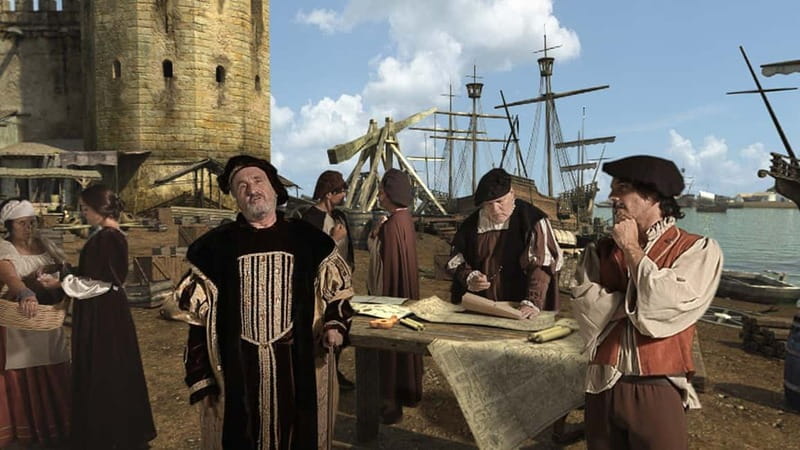
- 16th-century port visuals tied to the Magellan departure story
- Live guidance in English or Spanish, not just pre-recorded audio
- Portugal sabotage plot points that add real tension to the history
- A virtual walk through the ship Victoria’s hold, for a hands-on feel
- Historical characters including Magellan, Elcano, and Pigafetta (plus side connections)
Not sure yet? See what else in Seville is worth your time.
- Seville: Live Flamenco Dancing Show Ticket at the Theater★ 4.7 · 16,396 reviews
- Seville: Alcázar, Cathedral & Giralda Skip-the-Line Tour★ 4.8 · 11,525 reviews
- Seville: 1-Hour Guadalquivir River Sightseeing Eco Cruise★ 4.2 · 10,281 reviews
What 50 Minutes of Seville VR Feels Like (and how to enjoy it)
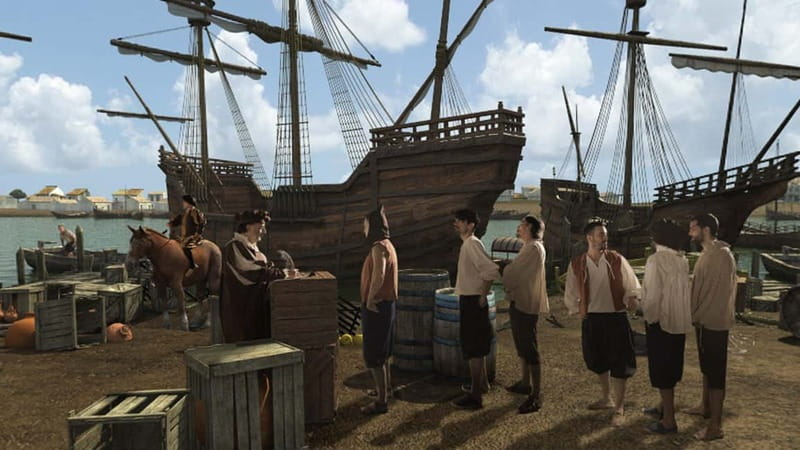
This is a short tour on purpose. At 50 minutes, you’re not meant to “wander.” You’re meant to follow a guided line through a specific slice of history: Seville’s port world, the forces trying to derail the voyage, and the vessel itself.
You’ll wear smart glasses for the VR part, so your comfort matters. Bring your “easy mode” mindset: expect to stand, keep moving with the group, and let the guide’s pacing do the work. If you like history best when it’s explained clearly and in sequence, this setup usually lands well.
The narration is delivered by a live tour guide, and the experience uses historical figures such as Magellan, Elcano, and Pigafetta to bring scenes to life. In the real world, a good guide can turn names into a timeline. Here, that same skill helps you connect the port, the intrigue, and the ship prep without feeling lost.
Starting at Nao Victoria: the Seville setting you’ll anchor to
The experience begins at Nao Victoria, which matters more than you’d think. VR can feel weightless if you don’t have a real-world reference point. Starting at a ship-related location gives you something concrete to mentally hook onto before the glasses go on.
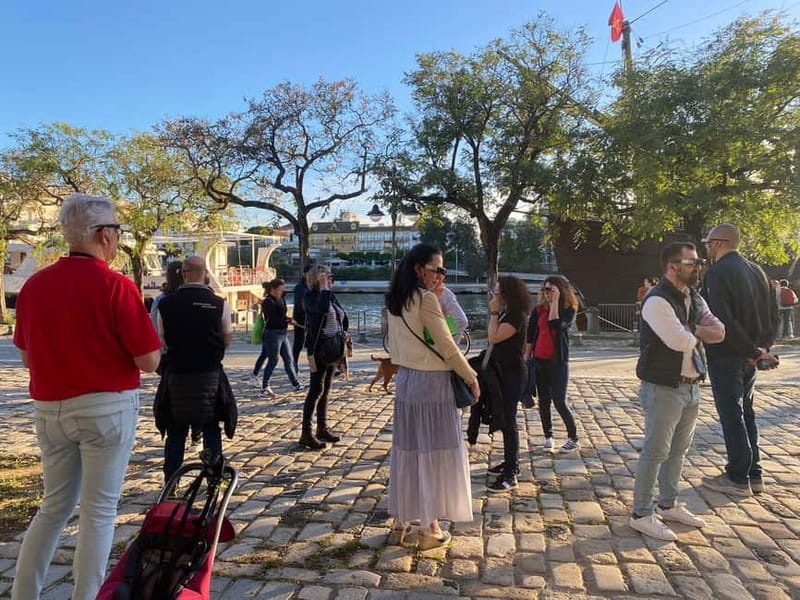
From there, the tour moves through the Guadalquivir River area for about 40 minutes of guided time. That chunk is where you build the “where are we” picture: this was a port city, tied to movement of goods, people, and ships. When you later see the story of the expedition staged in VR, that earlier orientation helps you follow it without effort.
A practical note: since you’re outside at least part of the time, wear comfortable shoes. If the weather’s hot, a sun hat is a smart move. Also consider keeping a camera ready, since you’ll likely want something to document the day beyond the VR visuals.
Guided walk along the river: the port story comes into focus
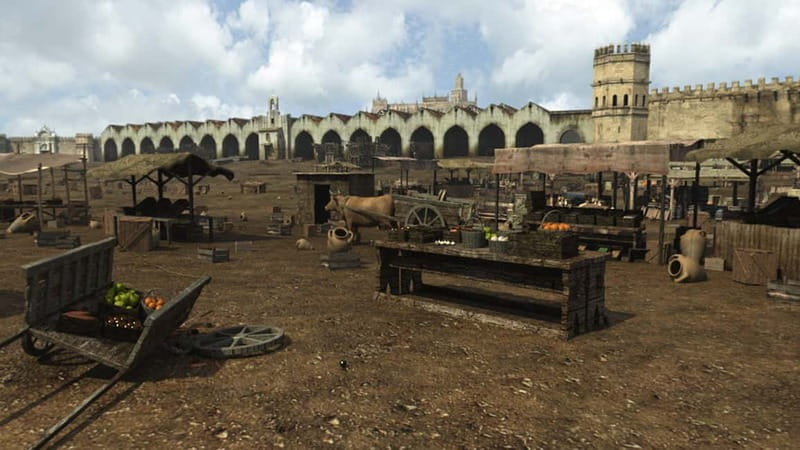
The Guadalquivir River segment is your foundation. Even though your main “wow” comes from the VR scenes, the guided portion gives the context that makes the VR meaningful.
Here’s what to watch for while the guide talks: the way Seville’s port functions as a working system. Think routes, scheduling pressure, and why departures mattered. When you understand that, Portuguese interference in the narrative doesn’t feel like random drama. It feels like a real-world sabotage attempt in a high-stakes moment.
This section is also where you’ll learn how the expedition’s plans took shape. The experience doesn’t just show you scenery. It walks you through preparation—enough that when you reach the ship visuals later, you feel like you’re inside the lead-up, not just viewing a final product.



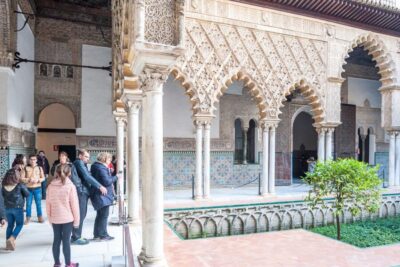
Plaza de Cuba: why this stop is more than a photo break
After the river-guided portion, you’ll spend time around Plaza de Cuba, Sevilla for about 20 minutes.
This kind of stop is useful because it gives your brain a breather and a different angle. VR can flood you with visuals, and then you risk losing your sense of time. A plaza stop re-centers you in the city’s modern layout while the guide ties it back to what’s being reenacted for 1519.
What you gain here is “placement.” You start to understand how Seville’s geography and urban rhythms support port life. You also get a chance to check in with your own comfort: you’ll be standing and following instructions, so it helps to have a short, structured break before the experience wraps back up at the ship starting point.
The virtual walk through the Victoria’s hold (this is the scene people remember)
If you’re deciding whether this is worth it for you, this is the heart of it: you can virtually walk through the hold of the ship Victoria.
A ship hold is perfect for VR because it’s both physical and symbolic. Physical, because it’s enclosed, busy, and built for storage. Symbolic, because it’s where “prepared for the voyage” becomes visible—how a ship is outfitted and what that moment means.
You’re also guided through it as part of the storyline, not as a disconnected side attraction. That’s important. A lot of VR experiences show places without explaining them. Here, the ship walkthrough is linked to the broader narrative: the planning, the threats, and the people involved.
Also, it’s a moment where your attention should narrow. If claustrophobia is even a mild concern for you, keep that in mind. The VR hold area is exactly the kind of setting that can feel tight or boxed in, and the activity information lists claustrophobia as a mismatch.
Portuguese intrigues: why the drama makes the history easier to follow
One of the standout elements is the focus on Portuguese intrigues to sabotage the expedition. It’s history with friction. Instead of treating the voyage as a smooth march of achievement, the story adds pressure from outside forces.
That choice helps you remember the timeline. When there’s conflict, your brain grabs onto details. Sabotage attempts create a reason for hurry and for secrecy. They also add a human layer: people protecting plans, people looking for weak points, and competing interests in the early 1500s world.
The experience also shows you the key historical people connected to the feat, including Magellan as the expedition figure, and Elcano and Pigafetta as part of how the story gets told and carried forward. If you like your history with faces and roles, this guided character approach is a big reason the experience works.
And there’s a bonus effect for curious minds: the way the guide teaches can also connect the story to other major explorers. For example, some visitors come away feeling they learned more than they expected about Christopher Columbus, likely because the guide’s historical storytelling reaches beyond one voyage to explain the broader era.
Meet the historical figures without turning it into a lecture
A good sign here is the use of historical figures as guides in the VR narrative. You’re not just hearing facts. You’re seeing the story “performed” through named characters like Magellan, Elcano, and Pigafetta.
This helps in two ways:
- It makes the cast easy to track, especially in a short experience.
- It keeps the guide’s explanation anchored to the scenes you’re viewing.
The live guide experience is also a strong part of what you’re buying. One confirmed booking praised the guide for being amable and deeply informed, with history shared with real passion. That kind of guide energy matters because VR can be technical and sensory, and a friendly, clear instructor makes the whole session feel lighter.
If you’re the type who likes asking questions, a live guide also gives you a place to steer the story toward what you care about—ships, navigation, or the political chessboard behind expeditions.
Price and value: is $21 for 50 minutes a fair deal?
At $21 per person for a 50-minute experience, you’re paying for three things:
- Smart-glasses VR technology and the hardware setup.
- A live guide who explains what you’re seeing.
- A very specific historical theme: Seville’s port world tied to Magellan’s 1519 departure and the Victoria.
That combination makes the price feel more reasonable than “VR as novelty.” If you only wanted a quick VR clip, you’d look for cheaper entertainment. Here, the story is structured, guided, and connected to a named expedition with multiple figures.
The value math improves if you’re short on time in Seville. A 50-minute experience can slot into a day without wrecking your schedule. Just remember what’s not included: transportation and meals. So budget for getting to Nao Victoria and fueling yourself like a normal human afterward.
Who should book this VR tour (and who should think twice)
This is a great fit if you:
- Enjoy history that tells a story, not a list of dates
- Like ships, navigation, and how voyages were prepared
- Want a guided experience without committing to a long museum day
- Prefer learning with visual cues, thanks to the smart-glasses setup
You might want to think twice if you:
- Have claustrophobia (VR hold spaces and enclosed-feeling environments can be tough)
- Use a wheelchair or have mobility impairments (the info says it’s not suitable for wheelchair users, even though accessibility is listed as wheelchair accessible—so confirm directly)
Also, show up ready for some basic comfort needs. Wear comfortable shoes, bring a sun hat if it’s bright, and bring a camera if you like documenting your day beyond the VR images.
Should you book Seville: Magellan-Elcano Virtual Reality Experience?
I’d book it if you want a compact, guided way to see Seville’s port through the lens of one of the most famous voyages in world history. For $21, you get live storytelling, famous expedition figures, and a standout VR moment: walking through the hold of the Victoria.
Skip it if you’re prone to claustrophobic feelings during VR, or if your mobility needs don’t match what the experience supports. Otherwise, it’s an efficient, story-driven way to turn a recognizable city into a historical scene you can actually picture.
FAQ
How long is the Seville Magellan-Elcano VR experience?
The experience lasts 50 minutes.
Where does the experience start?
It starts at Nao Victoria.
What happens during the VR portion?
You put on smart glasses and experience a 16th-century view of Seville’s port as it was around 1519, including story elements about Portuguese sabotage and the trip’s preparation. You also virtually walk through the hold of the ship Victoria.
Is there a live tour guide?
Yes. The tour includes a live tour guide who provides the experience in English and Spanish.
Which historical figures are included?
The experience uses historical figures such as Magellan, Elcano, and Pigafetta.
What is included in the ticket price?
Included: the VR experience of the 16th-century port, guidance by historical figures, and smart glasses.
What should I bring?
Bring comfortable shoes, a sun hat, and a camera.
Is transportation or meals included?
No. Transportation and meals/drinks are not included.
What if I cancel?
You can cancel up to 24 hours in advance for a full refund.
Is it suitable for wheelchair users or people with claustrophobia?
The information says it is not suitable for people with claustrophobia, and it is also not suitable for wheelchair users and people with mobility impairments. It’s listed as wheelchair accessible, so it’s smart to confirm the fit with the provider before booking.
More Tour Reviews in Seville
- Seville: Live Flamenco Dancing Show Ticket at the Theater
★ 4.7 · 16,396 reviews - Seville: Alcázar, Cathedral & Giralda Skip-the-Line Tour
★ 4.8 · 11,525 reviews - Seville: 1-Hour Guadalquivir River Sightseeing Eco Cruise
★ 4.2 · 10,281 reviews - Seville: Setas de Sevilla Entry Ticket
★ 4.6 · 8,901 reviews - Seville: Cathedral, Giralda & Alcazar Entry With Guided Tour
★ 4.6 · 8,560 reviews